
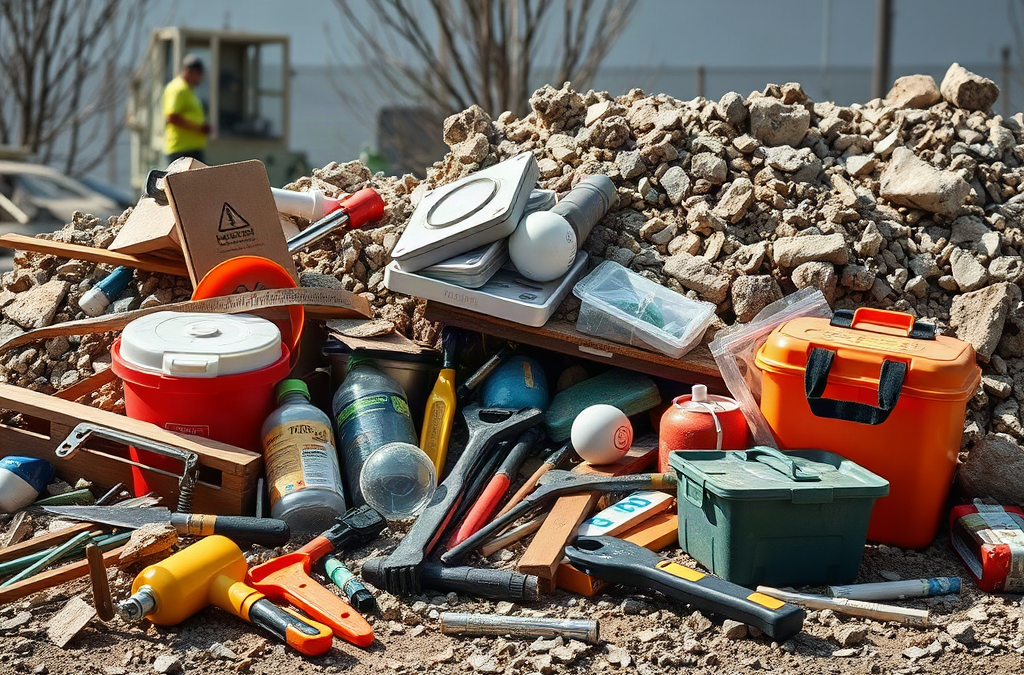
Earthquake lists covering shelter, water, and first aid should prioritize a safe place to stay, drinkable water, and supplies for controlling injuries after glass breakage, falling objects, or utility damage. Shelter planning means identifying an interior location away from windows and keeping shoes, blankets, lighting, and weather protection accessible if rooms become unsafe. Water lists should account for drinking, medication, and basic hygiene while avoiding storage containers that are difficult to carry or inspect. First-aid supplies need gloves, dressings, antiseptic materials, scissors, pain medicine, and items suited to household medical needs. Store these elements together, check expiration dates, and tailor quantities to residents, pets, mobility needs, and likely access problems.
How to Rank Shelter, Water, and First Aid Needs
An earthquake list is useful only when it reflects the first problems a household may face: unsafe rooms, interrupted water service, and injuries that need immediate attention. The order matters. A person cannot safely reach stored supplies through fallen furniture, and a large first-aid kit does little if there is no safe place to work or clean water for drinking and medication. Build the list around access, not appearance.
A practical priority sequence is to identify a protected location, place portable water where it can be reached without crossing likely hazards, and keep first-aid materials in a container that can be carried outdoors. A bedroom closet may hold blankets and shoes, while a smaller grab-and-go medical pouch stays near an exit. This split is often more useful than one heavy container because an aftershock, broken glass, or a blocked hallway may make one storage point inaccessible.
Consider the difference between a short interruption and a damaged building. For a brief service outage, bottled water, warm clothing, and a compact medical kit may cover the immediate need. If walls, ceilings, gas lines, or electrical systems are damaged, the priority shifts toward leaving safely, avoiding hazards, and using supplies outside or in a designated assembly area. Do not treat a supply list as permission to re-enter a questionable structure.
Use Earthquake lists covering shelter, water, and first aid as a planning framework, then adapt it to the people and property involved. Include infant care, prescriptions, hearing devices, mobility equipment, eyeglasses, pet needs, and language or communication requirements. The common mistake is buying a generic container and assuming it will serve every resident equally well.

Building a Shelter List That Works Inside a Damaged Home
Shelter planning begins with a location rather than a tent. Choose an interior spot away from windows, tall unsecured furniture, hanging objects, and exterior walls where practical. During shaking, the immediate objective is to protect the body from falling and broken material; after the movement stops, the objective becomes safe movement, warmth, weather protection, and separation from damaged areas.
A useful shelter list includes sturdy footwear, work gloves, long sleeves, blankets or sleeping bags, warm layers, rain protection, a flashlight, spare batteries, a whistle, dust protection, and a small amount of cash. Shoes should be placed beside beds because bare feet are vulnerable to glass and debris. A flashlight is preferable to an open flame near damaged gas lines or spilled flammable liquids. Protective equipment does not make a visibly unstable structure safe, so it should support evacuation rather than encourage inspection.
Think through several locations. A closet may protect supplies from weather but become difficult to open if furniture shifts. A garage may offer space but could contain chemicals, vehicles, or heavy stored objects. An outdoor container may improve accessibility yet expose supplies to heat, cold, moisture, and theft. The best arrangement may be a small indoor kit for immediate movement and a second protected cache outside the building.
Keep critical items light enough for the least physically strong adult who may need to move them. Label the container clearly and avoid stacking it under heavy boxes. If someone uses a wheelchair, walker, oxygen equipment, or other essential device, the shelter plan must account for clearance and charging or replacement needs. A common failure is planning for sleep but not for safe movement, lighting, temperature changes, or the possibility that the preferred room is inaccessible.
Practice the route in daylight and darkness. Check whether doors open, whether a flashlight can be found without searching, and whether shoes remain paired and usable. For more planning context, review Earthquake lists covering shelter, water, and first aid alongside the home’s actual hazards rather than copying a fixed packing list.
Planning Water for Drinking, Medication, and Limited Hygiene
Water deserves its own calculation because an earthquake can interrupt supply, contaminate plumbing, or make taps inaccessible even when the building appears intact. Separate water intended for drinking and medication from water reserved for limited cleaning. That distinction prevents a household from using its safest supply for avoidable tasks and then discovering that little remains for essential consumption.
Store water in food-grade containers designed for storage, keep it away from direct sunlight and chemicals, and follow the container maker’s instructions for inspection and replacement. Commercially packaged water is convenient to rotate, while filled storage containers may be more economical but require attention to cleanliness, leaks, and handling weight. Several smaller containers are often easier to move and distribute than one large vessel, especially for older adults or people with limited strength.
Water planning must include medication schedules, infants, pets, hot weather, and the possibility that normal cooking or washing will not be available. Keep a safe method for obtaining additional water only if the source and treatment method are appropriate; do not assume that cloudy water, floodwater, swimming-pool water, or water from an uncertain plumbing line is safe. Follow public health instructions if authorities issue a boil-water or do-not-use notice.
Hygiene needs can be reduced without pretending they disappear. Add hand sanitizer, soap, wipes, towels, and small waste bags so drinking water is not consumed for every cleaning task. The tradeoff is storage space: a very large reserve may be difficult to move, while a tiny reserve leaves no margin for delays. Divide water into accessible locations and write the replacement date on each container.
Check the plan by asking who can carry each container, how the supply will be reached if the kitchen is unsafe, and what happens if the household must leave. A common mistake is storing water in a basement, garage corner, or cabinet that becomes blocked. Place at least part of the supply near the planned shelter or exit, and keep it distinct from cleaning chemicals.
Assembling First-Aid Items for Earthquake Injuries
Earthquake first aid should address common immediate problems without pretending that a household kit replaces professional care. Cuts from broken glass, punctures, bruises, sprains, burns, and dust irritation may occur during the shaking, cleanup, or evacuation. The kit should help control bleeding, protect wounds, reduce contamination, and support communication with emergency services.
A practical kit may include disposable gloves, sterile or clean dressings in multiple sizes, adhesive bandages, rolled gauze, medical tape, triangular bandages, antiseptic wipes, saline for eye or wound rinsing, scissors, tweezers, a cold pack, a thermometer, and a basic first-aid reference. Include personally appropriate medicines and prescriptions according to medical advice, plus spare glasses, hearing-aid supplies, or other daily-use items. Check labels and expiration dates rather than assuming that sealed products remain suitable indefinitely.
Separate minor-injury materials from items reserved for more serious events. A small pouch with gloves, gauze, and a light can reach an injured person quickly, while the larger kit can remain with the main supply container. If an injury involves severe bleeding, breathing difficulty, loss of consciousness, suspected spinal injury, major burns, or other urgent signs, contact emergency services when possible and follow dispatcher instructions. Do not move someone unnecessarily when structural hazards are not forcing evacuation.
First-aid supplies work best when paired with practical knowledge. A household may own tourniquet-style equipment or specialized products that no one knows how to use, while lacking basic gloves or dressings. Training from a recognized first-aid provider may be more valuable than adding another complicated device. At the same time, training does not justify delaying professional treatment or attempting procedures beyond the user’s skill.
Store the kit where all responsible adults can find it, not only in a locked cabinet or under a bathroom sink. Add a written list of allergies, prescriptions, emergency contacts, and medical conditions if household members consent and the information can be protected. The common failure is treating a first-aid kit as complete because it looks full; inspect whether its contents match actual residents and the injuries most likely during cleanup.
Storing, Testing, and Updating the Lists
A list becomes dependable when it is connected to storage, inspection, and practice. Write the location of shelter items, water, first aid, lighting, and communication tools in a format that can be read without power. Keep one printed copy with the household supplies and another in a location that is not dependent on a single phone or internet connection.
Use a simple review cycle. Inspect containers for damage, test flashlights, replace batteries according to the manufacturer’s guidance, check medical supplies, rotate water, and confirm that clothing still fits. Review the plan after moving furniture, changing bedrooms, adding a pet, welcoming a baby, or changing a prescription. Seasonal checks matter because a lightweight blanket may not suit winter conditions and stored water may be exposed to temperature extremes.
Test the plan with a short scenario: the main hallway is blocked, the power is out, one person has a cut, and the household must wait outside. Can someone reach shoes and lighting? Is the water divided into movable containers? Can the first-aid pouch be identified without opening several boxes? If the answer is no, reorganize before purchasing more equipment.
Compare a low-cost, distributed setup with a premium all-in-one kit. The former is easier to customize and may be more accessible; the latter can save shopping time but may contain unsuitable medicines, poor-quality tools, or equipment that one person cannot carry. A sensible compromise is to buy durable basics, remove irrelevant items, and add resident-specific supplies.
Use Earthquake lists covering shelter, water, and first aid as a living document. Mark each item’s location, owner, replacement date, and backup location. The strongest sign that the plan works is not the size of the inventory; it is whether people can reach, recognize, and use the essentials under noise, darkness, limited mobility, and changing conditions.
For current recommendations, consult local emergency-management offices, public health agencies, and recognized first-aid organizations. Their guidance can account for local hazards, water advisories, evacuation routes, and emergency contact procedures that a general household list cannot provide.
Frequently Asked Questions
Where should earthquake shelter supplies be stored?
Keep a small set near beds or the planned exit, with additional supplies in a protected, accessible location. Avoid areas likely to be blocked by heavy furniture or stored chemicals.
How should water be divided across the home?
Use several manageable containers rather than one heavy vessel, and place some water near the shelter or exit. Keep drinking water separate from water intended for cleaning.
What first-aid items matter most after an earthquake?
Gloves, dressings, gauze, tape, wound-cleaning materials, scissors, personal medicines, and a flashlight are useful starting points. Match the kit to household medical needs.
Should a first-aid kit include prescription medicine?
Plan for prescriptions and essential medical devices according to the person’s medical guidance, while maintaining a safe rotation system. Do not change treatment without professional advice.
How often should earthquake lists be reviewed?
Review them during a regular seasonal schedule and whenever residents, medications, furniture, pets, or living arrangements change. Test access rather than merely counting items.
Conclusion
Effective earthquake lists connect three decisions: where people can shelter safely, how drinking water remains accessible, and how injuries can be managed while professional help is unavailable or delayed. Keep footwear, lighting, warmth, and weather protection close to likely sleeping and exit areas. Divide water into containers people can carry, reserve it for essential uses, and inspect storage conditions. Build first aid around gloves, dressings, wound cleaning, personal medicines, and the skills available in the household.
Next, walk the planned route in darkness, test each container and flashlight, and run a blocked-hallway scenario. Remove supplies that no one can use, add items required by children, pets, older adults, or medical conditions, and record replacement dates. A smaller, distributed plan that remains reachable is more useful than a large kit trapped behind debris.
Related Content
- The Importance of Documenting Your Preparedness Journey: Key Benefits and Strategies
- Hour Kit Checklist For First-Time Preppers: 60-Minute Priorities, Food, Water, And Common Mistakes
- Storm-Ready: Your Comprehensive Playbook for Getting Prepared Before a Storm
- Maintaining Preparedness Equipment Through Seasonal Storage: A Rotation Checklist For Moisture, Batteries, And Fuel
- Health Center Survival




