
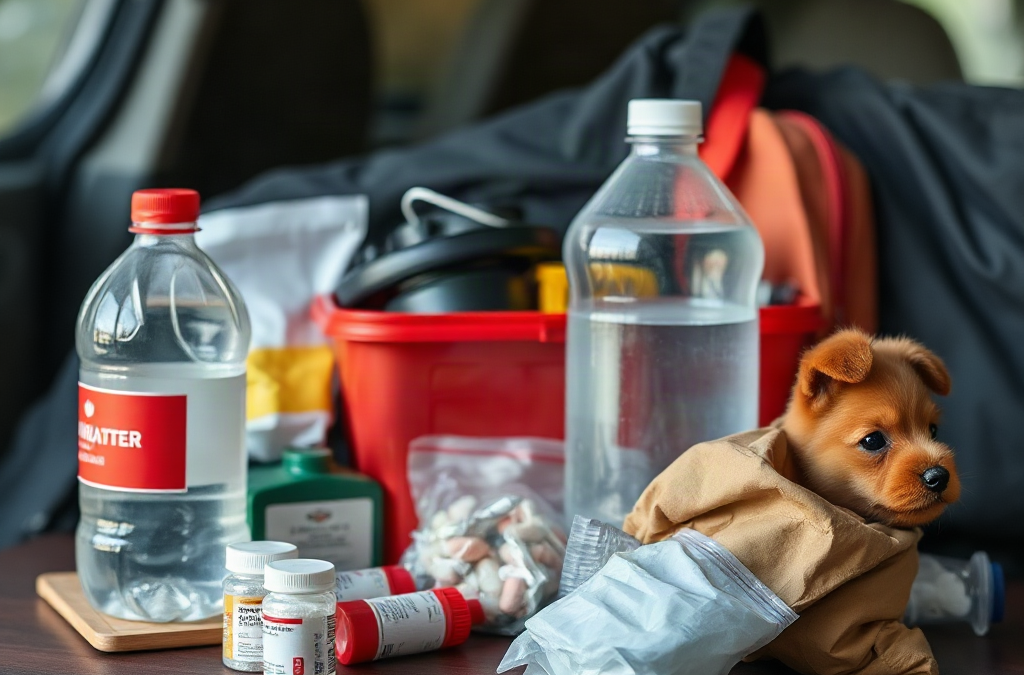
Three-day supplies for an initial emergency period should cover safe water, ready-to-eat food, sanitation, essential medications, lighting, communication, and basic first aid for each person and any pets. Store water in a way that supports drinking and limited hygiene, choose foods that need little or no cooking, and include a manual can opener plus suitable utensils. Add prescription medicines, infant or medical-care items, hygiene products, backup power, and copies of key information. The common failure is building a food-only kit that depends on electricity, refrigeration, or unavailable tap water. Test the supplies periodically and adjust quantities for household needs, weather, mobility, and evacuation plans.
Set the Coverage Before Buying
A three-day supply is a short-term bridge, not a promise that every disruption will end after three days. Its purpose is to cover the first period when stores may be closed, utilities may be unreliable, roads may be blocked, or outside assistance may be delayed. The contents should match the people, animals, health needs, and living arrangements in the home rather than follow a fixed commercial kit.
Count everyone who may rely on the collection, including infants, older adults, visitors who regularly stay overnight, and pets. A person who needs formula, mobility equipment, hearing-aid batteries, or refrigerated medicine changes the design more than an extra snack does. Someone planning to evacuate also needs portable containers and documents, while a person sheltering at home may place greater emphasis on sanitation and utility-free food.
Use Three-day supplies for an initial emergency period as a planning category, then divide it into functions. Water and food protect against immediate shortages; sanitation limits exposure to waste; lighting and communication support decisions; medication and first aid address personal risks. This functional approach makes omissions easier to find than a shopping list organized only by product type.
A useful first pass asks four questions: How many people are covered? Can anyone safely drink ordinary tap water? What can each person eat without cooking? What must remain available if the household loses power? The answers reveal weak assumptions early. For example, a box of dry pasta may appear substantial, but it is not useful if the home lacks water, heat, and a way to dispose of cooking water.

Budget limits do not require buying everything at once. Start with water containers, shelf-stable food already tolerated by the household, needed medicines, sanitation materials, and a light source. Add specialized comfort items later. A smaller collection that is accessible, labeled, and usable is more valuable than a large box stored in a damp garage or buried beneath seasonal equipment.
Prioritize Water and Food That Work Without Utilities
Water deserves first priority because people need it for drinking, medication, limited food preparation, and basic hygiene. Store commercially packaged water or clean, food-grade containers in a cool location away from chemicals and direct sunlight. Keep some water in portable containers if evacuation is possible; heavy bulk storage is useful at home but difficult to move quickly.
Do not treat water quantity as a simple arithmetic exercise. A household may use more than drinking water when it must mix infant feeding, prepare powdered foods, wash hands, or manage illness. Local authorities may issue specific instructions during a water emergency, so stored water should supplement rather than replace attention to official notices. If water safety is uncertain, use an appropriate treatment method and follow the product or public-health instructions rather than guessing.
Food should be selected for the conditions in which it will be eaten. Ready-to-eat canned fish, beans, vegetables, fruit, nut or seed products, shelf-stable milk, crackers, cereal, and familiar energy-dense foods can work well when they suit allergies and medical needs. Include a manual can opener, disposable or washable utensils, and a small amount of salt or preferred seasoning only if they improve actual use. A household that dislikes the chosen food may avoid it precisely when replacement options are limited.
Compare cooking-dependent foods with no-cook alternatives. Rice, dried beans, and dehydrated meals can store efficiently, but they require water, heat, time, and often fuel. Canned meals and pouch foods create more packaging waste and may be heavier, yet they reduce preparation demands. A mixed selection usually provides a better balance: some foods can be eaten immediately, while others offer variety if fuel and water remain available.
Plan for temperature and storage conditions. Heat can damage some foods, freeze-thaw cycles can affect containers, and opened products need prompt handling. Mark purchase dates where useful, inspect cans for bulging, leakage, deep rust, or damaged seams, and rotate items into ordinary meals before quality declines. Do not rely on a camping stove indoors unless the equipment is specifically designed and safely operated for that setting; carbon monoxide and fire risks can turn a meal plan into a serious hazard.
A compact priority check can be written on the storage bin:
- Water that household members can access and carry.
- Food requiring little or no cooking, matched to allergies and age.
- A manual opener, utensils, and a safe waste plan.
- One backup preparation option used only according to its safety instructions.
Build Around Sanitation, Health, and Communication
Sanitation supplies prevent a short interruption from becoming harder to manage. Include toilet paper, hand soap or sanitizer, toothbrushes, toothpaste, menstrual products, diapers, wipes, heavy-duty bags, paper towels, and household disinfecting materials suitable for their intended use. Gloves may help with cleanup, but they do not replace handwashing or safe waste handling.
Waste planning deserves more attention than it usually receives. If plumbing is unavailable, ordinary toilets may not function safely, and flushing can consume scarce water or worsen an already damaged system. A household should know in advance how it will isolate waste, keep children and pets away from contaminated material, and follow local instructions. Do not mix cleaning chemicals, and never use fuel-burning equipment in an enclosed space to solve a sanitation or heating problem.
Health supplies must be personal rather than generic. Keep prescribed medicines in their original containers where practical, maintain a current list of doses and prescribers, and include items such as glasses, contact-lens supplies, glucose-monitoring materials, inhaler accessories, or mobility-device batteries when applicable. A general first-aid kit may cover minor cuts and sprains, but it is not a substitute for condition-specific treatment or professional care.
Consider how a real household operates under stress. A child may need familiar foods and comfort items; an older adult may need a clearly marked walking path and backup hearing-aid batteries; a pet may require food, water, medication, a leash, and waste bags. These details are not optional extras when their absence prevents someone from eating, moving, communicating, or taking prescribed treatment.
Lighting and information supplies support safer choices. Place flashlights or headlamps where they can be found without searching in darkness, and store spare batteries in their packaging. A battery-powered or hand-crank radio may provide updates when internet and mobile service are unreliable, although it cannot guarantee reception. Keep charging cables, a tested power bank, paper contact information, and a small amount of cash if those fit the household’s circumstances.
A common mistake is buying a large first-aid kit while forgetting ordinary hygiene products. Another is storing batteries, medicine, and food together without checking expiration or temperature limits. The better comparison is not “premium kit versus cheap kit”; it is “usable, household-specific supplies versus impressive-looking items that do not solve the next practical problem.”
Pack, Rotate, and Test the Collection
Storage design determines whether the supplies can be used when needed. Keep the main collection in a dry, accessible location and separate heavy water from lightweight items that could be crushed. Use labeled containers for food, water, health, sanitation, lighting, and documents. A smaller grab-and-go bag can hold essential medicines, identification copies, chargers, water, snacks, and hygiene items if leaving home becomes necessary.
Test the collection as a system rather than inspecting it only by looking at the labels. Open one food item and confirm that it can be eaten with the available tools. Check that flashlights work, power banks hold a charge, batteries fit the devices, and every adult can locate the supplies. If the plan assumes a stove, verify that its fuel, ventilation requirements, and operating instructions are understood before an emergency occurs.
Rotation should follow actual use and storage conditions. Move older cans and packaged foods into routine meals, replace what was consumed, and review medicines according to pharmacy or clinician guidance. Inspect water containers for leaks, check that labels remain readable, and revise quantities when household membership, health needs, pets, or living arrangements change.
Practice also exposes uncomfortable tradeoffs. A basement may offer stable temperatures but become inaccessible during flooding. A garage may be convenient but experience damaging heat. A single large bin may simplify inventory but be impossible for one person to carry. Two smaller containers can improve access and portability, even if they require more labeling. Choose the arrangement that matches the most likely disruption and the abilities of the people who will use it.
Use a short review after every test: What was hard to find? Which item required electricity, water, or a tool that was missing? Did anyone reject the food? Was waste contained safely? Were instructions understandable to someone unfamiliar with the setup? Those observations are more useful than adding random products. For related planning, see Three-day supplies for an initial emergency period and keep the final inventory short enough to maintain.
The strongest plan remains adjustable. A three-day collection for an apartment, a rural property, and an evacuation-prone area will not look identical. Review official local alerts during an incident, follow instructions about water and shelter, and seek medical or emergency assistance when the situation exceeds household care.
For current advice on drinking-water safety, emergency communication, food handling, and local hazards, consult official public-health agencies, emergency-management offices, and utility providers serving your area. Their instructions may change according to the specific incident and should take priority over a general household checklist.
Frequently Asked Questions
How much water should be stored for three days?
Use local emergency guidance as the starting point, then account for drinking, medication, food preparation, hygiene, heat, illness, and pets. Store some water in containers that can be carried.
What foods are best when power may be unavailable?
Choose familiar shelf-stable foods that can be eaten cold or prepared with minimal water and heat, such as canned meals, beans, fish, fruit, crackers, cereal, and suitable milk products.
Should emergency food be stored in one large container?
Not necessarily. Several labeled containers may be easier to carry, inspect, and distribute, especially for households with limited mobility or a possible evacuation.
What sanitation items are commonly forgotten?
Toilet paper, hand-cleaning supplies, menstrual products, diapers, waste bags, wipes, and a safe plan for handling waste are frequently overlooked.
How often should the supplies be checked?
Review them on a regular household schedule and after every use. Rotate food, inspect containers, test lighting and power, and update medicines and personal needs as circumstances change.
Conclusion
A three-day collection works when it reflects real household tasks rather than a product checklist. Put accessible water, no-cook food, sanitation, essential medicines, lighting, communication, and pet or infant needs ahead of novelty equipment. Compare every item with the conditions in which it must work: no electricity, limited water, poor transportation, reduced mobility, or an urgent departure.
Next, inventory the people and animals covered, choose foods they will actually use, and place the supplies where they can be reached quickly. Test one meal, one light source, one charging method, and the waste plan. Rotate consumed or aging items and revise the arrangement after household changes or local hazard updates. The result should be compact enough to manage, specific enough to trust, and flexible enough to support the first few days without creating new safety problems.
Related Content
- How to Effectively Share Resources in Community Prepper Groups: Best Practices and Resource Management Techniques
- How to Stay Safe and Protect Your Family During a Crisis
- Top 10 Emergency Essentials for Families in 2025 (Must-Have Checklist)
- How to Be Ready for Emergencies in 2025: 7 Essential Tips to Stay Safe
- Prepping Your Family for Emergencies: Essential Supplies and Strategies




