
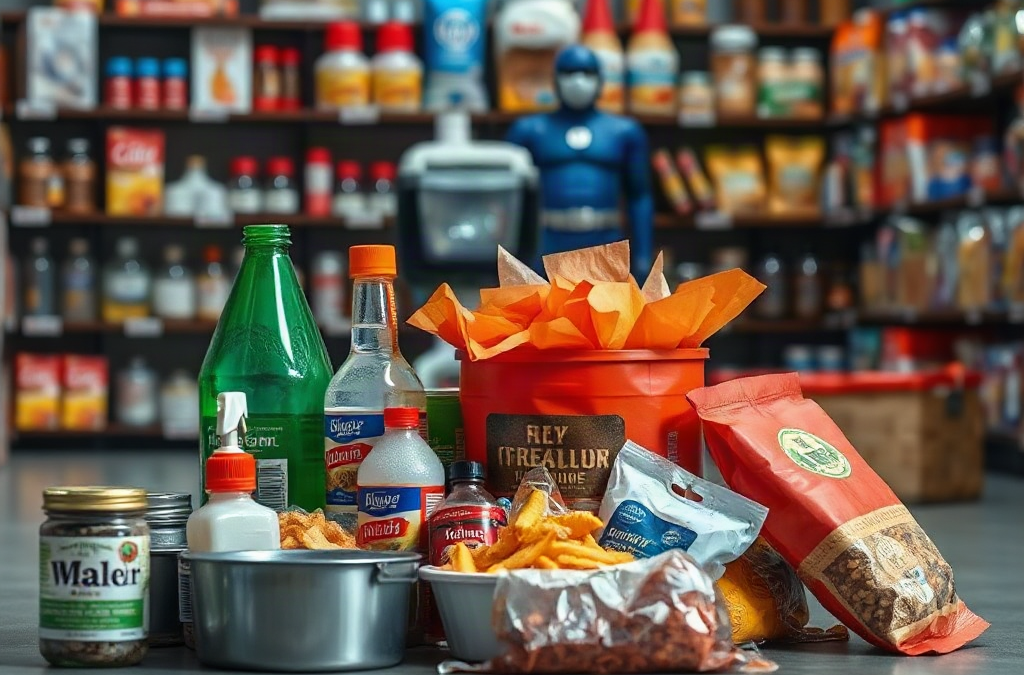
Home prepper supplies for short-term disruptions should cover safe water, ready-to-eat food, lighting, power, sanitation, basic medical needs, and reliable information for at least several days. Store drinking water before adding specialty equipment, because water shortages quickly affect cooking, hygiene, and medication routines. Choose shelf-stable foods your household already eats, then add a manual can opener, battery or hand-crank lights, spare batteries, phone charging options, and hygiene supplies. Account for infants, older adults, pets, prescriptions, mobility needs, and dietary restrictions. Test the supplies in normal conditions, rotate perishables, and avoid buying complicated devices nobody knows how to use.
Set the Scope Before Buying
Short-term household disruption planning works best when it begins with a defined scenario rather than a shopping spree. A brief power outage, a temporary water interruption, severe weather, and a local road closure create overlapping needs, but they do not require the same equipment. A household preparing for a winter outage may need blankets and safe heating decisions, while a summer outage may make cooling, hydration, and food-temperature control more urgent.
Choose a practical duration and count the people, animals, and routines involved. A two-person home with no medical equipment has a different baseline from a family with an infant, a service animal, or refrigerated medication. Record daily water use, meals, prescriptions, lighting needs, and communication methods. That short inventory reveals gaps that generic lists miss.
A useful first pass divides supplies into three layers: items needed immediately, items that make the next few days manageable, and optional gear that improves convenience. Water, medications, lights, sanitation products, and food belong in the first layer. A portable power station or specialty cooking appliance may be useful, but it should not displace basic necessities.
The common mistake is treating “72 hours” as a universal shopping formula. Duration is only one variable; access, weather, household health, storage space, and the likely failure point matter just as much. A compact Home prepper supplies for short-term disruptions list should reflect the home that will use it, not an imagined household.

Prioritize Water, Food, and Cooking
Water deserves the earliest attention because it supports drinking, food preparation, medication routines, and basic hygiene. Store commercially packaged water or clean, food-safe containers in a cool, accessible location, and follow the container maker’s guidance for storage and replacement. Keep some water where it can be reached without moving heavy boxes, especially if a power failure may disable pumps or elevators.
Food selection should favor familiar, shelf-stable items that can be eaten with little or no cooking. Canned beans, fish, vegetables, fruit, nut butter, crackers, dry cereal, shelf-stable milk, and ready-to-eat meals can form a flexible base. Include a manual can opener. A household that stores only dry staples may still face a problem if water, fuel, or time for cooking is unavailable.
Cooking equipment introduces a safety tradeoff. An indoor-rated appliance may provide convenience during an outage, while outdoor-only fuel-burning devices can create carbon monoxide hazards indoors. Never improvise with grills, camp stoves, generators, or charcoal devices inside a home, garage, basement, or enclosed porch. If cooking is unnecessary because the food is ready to eat, that simpler approach may be safer for a short disruption.
Plan for dietary and functional needs rather than buying the cheapest calories. Infants may need formula and feeding supplies; people with allergies need clearly identified alternatives; older adults may prefer soft foods with familiar textures. Rotate stored food by placing newer items behind older ones and using products during ordinary meals. A failed approach often becomes visible when food is technically edible but nobody has the tools, water, appetite, or dietary compatibility to use it.
- Store water and ready-to-eat food before buying advanced gadgets.
- Match quantities to household members, pets, medical needs, and storage conditions.
- Keep an opener, utensils, cups, and basic cleaning supplies with the food.
For a more complete household inventory, connect this section with your Home prepper supplies for short-term disruptions worksheet and note which items require electricity, refrigeration, or special handling.
Cover Light, Power, Sanitation, and Health
Lighting and communication supplies reduce avoidable confusion when rooms become dark, phones lose charge, or local information changes. Place flashlights or headlamps where household members can find them without searching. Headlamps leave both hands free for stairs, cleanup, or caring for a child. Store spare batteries in their packaging and check that the battery types match the devices.
Power planning should distinguish between charging a phone and running an appliance. A power bank may handle several phone charges, but it cannot substitute for a medical backup system or a refrigerator strategy. Keep charging cables that fit the household’s phones, and test the power bank periodically. If a generator is part of the plan, follow the manufacturer’s placement and operating instructions, keep it outdoors at a safe distance from openings, and install working carbon monoxide alarms according to local safety guidance.
Sanitation becomes difficult sooner than many households expect. Include toilet paper, hand soap, alcohol-based hand sanitizer, disinfecting supplies, heavy-duty bags, paper towels, menstrual products, diapers, and disposable gloves where appropriate. Water should not be reserved solely for drinking if a disruption is likely to affect toilets or handwashing. A small lidded container can help separate clean supplies from waste-handling materials.
Health supplies should support ordinary first aid rather than attempt to replace professional care. Keep a basic first-aid kit, thermometer, personal protective items, prescription information, and a reasonable reserve of routinely used medicines when legally and medically appropriate. Store medicines according to label instructions; heat and moisture can damage them. Include glasses, hearing-aid batteries, mobility-device charging equipment, and written emergency contacts if anyone depends on them.
A frequent failure mode is scattering these items throughout the house. During a nighttime outage, a flashlight in an upstairs closet is less useful than one beside the bed. Create a small central cache plus a few point-of-use items in bedrooms, the kitchen, and the vehicle. Test the arrangement during a normal evening: if someone cannot locate lighting, hygiene supplies, and phone charging equipment quickly, the storage system needs revision.
Build, Test, and Maintain the Household Cache
The most reliable supply system is organized for use, not display. Place heavy water containers low, keep frequently used items visible, and protect food and paper goods from heat, moisture, pests, and direct sunlight. A waterproof tote can group outage items, but do not seal away everything so tightly that nobody can inspect expiration dates or reach medications.
Use a simple priority check when money or storage space is limited. First verify water, food, medications, lighting, sanitation, and a way to receive information. Next address temperature management, cooking, pet care, and mobility needs. Only then consider comfort upgrades such as specialty tools or large battery systems. This order prevents an expensive purchase from masking a basic shortage.
Testing exposes assumptions that labels cannot. Eat one stored meal, use the can opener, charge a phone with the power bank, operate the lantern in darkness, and check whether every adult knows where the supplies are. If a food item requires more water than expected or a device has an unfamiliar control panel, replace it or provide clear instructions. A plan is working when ordinary household members can use it without one knowledgeable person directing every step.
Review the cache on a schedule tied to real household changes. Replace damaged packaging, expired batteries, spoiled food, outgrown infant supplies, and discontinued medication containers. Recheck needs before storm seasons, moves, renovations, or changes in work schedules. Keep a paper list because phones may be uncharged or network service may be limited.
Do not confuse quantity with resilience. Ten versions of one meal create less flexibility than a smaller assortment that covers different tastes and preparation conditions. Likewise, a sophisticated device may be a poor choice if it needs proprietary accessories or regular maintenance. Practical value comes from accessible, familiar supplies that remain usable when electricity, water service, transportation, and routine shopping are temporarily unavailable.
Frequently Asked Questions
How much water should a household store?
Use household size, climate, health needs, and the expected duration to set a practical amount. Include drinking, cooking, medication, and limited hygiene needs rather than counting drinking water alone.
What foods work best for a short disruption?
Choose familiar shelf-stable foods that need little or no cooking, such as canned meals, beans, fruit, crackers, nut butter, cereal, and shelf-stable milk. Include a manual opener and utensils.
Should a generator be part of a home supply plan?
It may help some households, but it requires safe outdoor placement, fuel management, maintenance, and carbon monoxide precautions. A generator is not a substitute for water, sanitation, or evacuation planning.
How can supplies be stored in a small home?
Use several accessible locations instead of one bulky cache. Store water low, keep lights near beds and exits, and use labeled containers under beds or in closets without blocking ventilation or escape routes.
How often should short-term supplies be checked?
Inspect them several times a year and whenever household needs change. Test lights and chargers, rotate food, replace damaged packaging, and confirm that medications and batteries remain suitable.
Further Reading
Authoritative Sources
- Build a Kit
ready.govProvides public guidance on assembling household items for disruptions, including water, food, lighting, and special needs
- Emergency Water Supply
cdc.govExplains practical water considerations when normal service is interrupted or water safety is uncertain
- Food Safety During Emergencies
usda.govOffers food-handling and appliance guidance for power outages and other household emergencies
Conclusion
A useful short-term home cache is built around interruptions people actually face: unavailable water, lost electricity, limited cooking, dark rooms, sanitation problems, and delayed access to stores or services. Put water, familiar food, medications, lighting, charging, hygiene products, and household-specific items ahead of complicated equipment. Separate safe indoor supplies from outdoor-only fuel devices, and never rely on an appliance that the household has not tested.
Next, inventory three days of ordinary routines, fill the most obvious gaps, and run a brief practice evening using only the stored items. That exercise will show whether food can be opened, phones can be charged, waste can be managed, and everyone can find what they need. Revise the cache as seasons, health needs, and household members change.
Related Content
- How to Maintain Your Prepping Momentum Over Time: Effective Strategies and Mindset Shifts
- Emergency Communication Plan 2025: 7 Essential Tips for Crisis Readiness
- Ready or Not? How to Gear Up for Any Emergency Situation
- Essential Navigation Skills for Outdoor Survival
- Quick Prep Guide: Essential Steps and Supplies for Effective Readiness




