
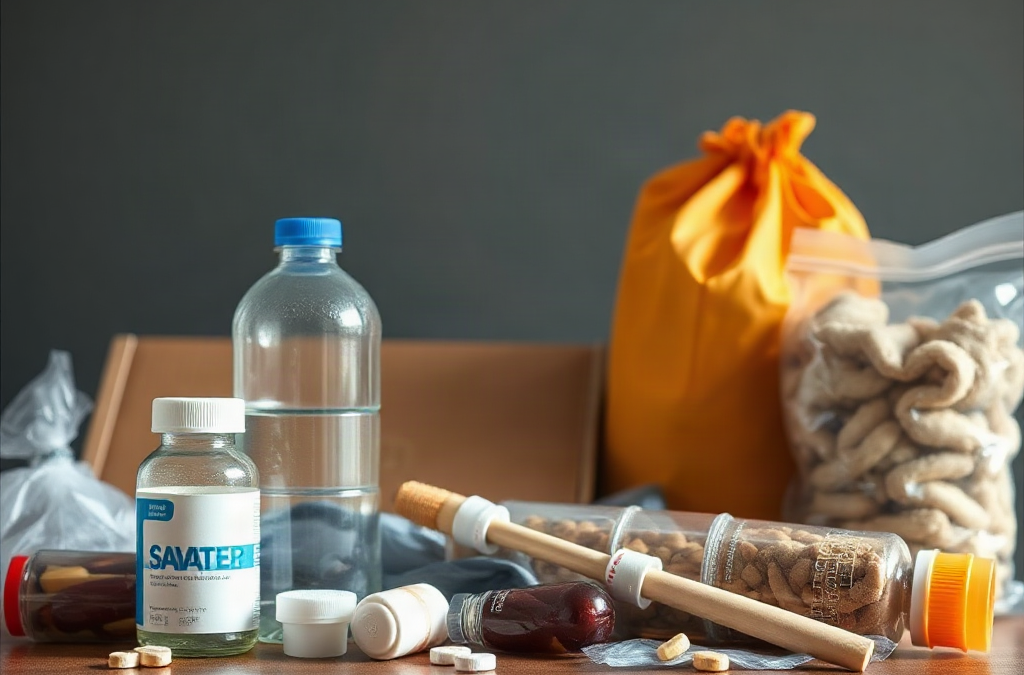
Emergency preparedness kits matched to family size should scale water, food, medications, sanitation items, and child or pet supplies to the number of people, their needs, and the length of an interruption. Plan water by person and day, then adjust for infants, older adults, medical conditions, pets, and hot weather rather than buying one fixed “family kit.” Choose shelf-stable foods that household members already eat, divide supplies into portable and at-home containers, and include lighting, communication, first-aid, and hygiene equipment. A common mistake is counting packages instead of usable servings, especially when cooking, refrigeration, or clean water may be unavailable.
Calculate Quantities Before Buying
The useful size of an emergency kit is determined by people, duration, and conditions—not by the label on a commercial package. A two-person kit may be too small for a family with an infant, while a large boxed kit may contain food nobody can eat or equipment nobody knows how to use. Begin with the number of household members who may shelter in place, then create a separate estimate for people who may arrive unexpectedly.
Water deserves first priority because it supports drinking, medication use, food preparation, and basic hygiene. A commonly used planning baseline is one gallon per person per day, with more needed for hot weather, pregnancy, illness, physical work, or pets. That figure is a planning reference rather than a guarantee of every household’s needs. Store drinking water separately from water intended for cleaning, and check container dates, seals, and storage conditions. A family of four planning for three days therefore needs a starting estimate of twelve gallons for people alone; infants, pets, and medical needs may raise it.
Food calculations should use servings and preparation requirements rather than counting cans. A household that buys six cans but lacks a manual opener has not built six usable meals. Shelf-stable options such as canned beans, fish, fruit, vegetables, nut or seed spreads, crackers, ready-to-eat grains, and dry foods can work when they fit allergies, culture, and normal preferences. Select some items that can be eaten without heating because a power outage may remove access to a stove, microwave, or refrigerator.
Write the calculation on a household worksheet:

- People: adults, children, infants, older adults, visitors, and pets.
- Duration: the planned interruption period plus a margin for delayed reopening or travel.
- Daily needs: drinking water, meals, medication, hygiene, and waste handling.
- Constraints: allergies, disabilities, limited mobility, refrigeration, cooking fuel, and budget.
The common failure is buying a fixed “family size” box without checking its actual quantity. Compare the stated water equivalent, calories or servings, preparation method, and expiration dates with your worksheet. Emergency preparedness kits matched to family size should be treated as a planning calculation, not a product category.
Match Contents to Household Needs
Household size changes the volume of supplies, but household composition changes what belongs in the kit. A family with a toddler needs diapers, wipes, suitable food, and a way to manage temperature and comfort. A household with a person who uses a wheelchair may need backup mobility equipment, transfer considerations, accessible storage, and a plan for elevators or power-dependent devices. Someone who relies on prescription medication should discuss emergency quantities and storage with a pharmacist or clinician rather than improvising.
Food selection illustrates why generic kits often fail. A toddler may not be able to eat the spicy meals or hard crackers included in an adult-oriented package. A person with a food allergy needs clear labels and uncontaminated alternatives. Older adults may need soft foods, familiar textures, or tools that reduce hand strain. Choose familiar shelf-stable foods, test one package before buying in bulk, and record preparation instructions where labels may be difficult to read.
Sanitation also scales in a less obvious way. More people produce more waste, use more soap, and need more toilet supplies. Include toilet paper, hand soap or sanitizer, menstrual products, diapers, heavy-duty waste bags, disinfecting supplies, and gloves. Do not assume sanitizer replaces handwashing in every situation; soap, water, and a method for safe waste storage may be more useful when available. Household cleaning chemicals should remain in original or clearly marked containers and away from food.
Lighting, communication, and first aid need both quantity and access. One flashlight may not help when it remains in a room nobody can reach, and a single charging cable may be useless if several people depend on different devices. Place a light near sleeping areas, keep spare batteries in a protected container, and include a battery or hand-crank radio if local alerts may be unavailable through the internet. A first-aid kit should cover likely minor injuries without pretending to replace professional medical care.
A practical family review asks what happens if one adult is away, a child is frightened, a pet cannot be left alone, or the household must leave quickly. Keep a portable layer with identification copies, medications, water, snacks, a phone charger, and essential hygiene items, while storing heavier water and bulk food at home. The weak assumption is that everyone will remain together and healthy; a stronger plan assigns responsibilities and keeps critical items reachable.
Build Kits for Different Household Sizes
A one-person kit should emphasize portability, low maintenance, and redundancy in the basics. One adult may be able to carry the kit during an evacuation, but that person may also need to move quickly, care for a neighbor, or work away from home. Pack compact water containers, ready-to-eat food, necessary medication information, a flashlight, power bank, first-aid supplies, hygiene items, and copies of key contacts. A duplicate small kit at work or in a vehicle may be more useful than adding excessive gear to the home container.
Two-person households can divide responsibilities without duplicating every item. Store shared items such as a radio, sanitation supplies, cooking equipment, and shelter materials together, but give each person individual water access, medications, clothing, and identification. If the adults have different dietary or medical needs, one combined food box may hide shortages. Label personal items clearly and review whether both people can open containers, read instructions, and carry the load.
Families of three to five require deliberate storage because the volume grows faster than the available shelf space. Separate supplies into a home reserve and a grab-and-go container. Use smaller water containers that can be lifted safely instead of relying only on a large vessel that becomes impossible to move when full. Divide food into meal groups so one opened package does not expose the entire supply to moisture or pests. Include child-sized clothing, comfort items, and age-appropriate activities; these can reduce unnecessary movement and help caregivers focus on practical tasks.
Larger households, multigenerational homes, and shared residences should assign zones rather than create one overloaded box. One zone can hold water, another food and a manual opener, another sanitation supplies, and another lighting and communication equipment. Mark each zone with a plain inventory sheet and note which items need rotation. A large household may benefit from a written distribution plan: who checks water, who manages medications, who contacts relatives, and who handles pets or children.
Consider the difference between a shelter-in-place kit and an evacuation kit. A home reserve can include bulk water, a larger waste plan, cooking fuel, extra blankets, and more food. An evacuation kit must prioritize weight, waterproof packaging, comfortable carrying, and documents that cannot be replaced quickly. Trying to make one container serve both roles usually produces a pack that is too heavy to move and too incomplete for staying home. Use Emergency preparedness kits matched to family size as a two-layer system when budget and storage allow.
Store, Rotate, and Test the Kit
Storage determines whether a carefully sized kit works under pressure. Keep supplies in a cool, dry, accessible location away from flood-prone floors, direct sunlight, chemical fumes, and extreme temperature swings. Do not bury the only flashlight or first-aid kit behind heavy boxes. If the household may evacuate, place the portable bag near an exit while keeping the larger reserve in a location that can still be reached if one route is blocked.
Use an inventory with the item name, quantity, expiration date, storage location, and replacement note. Rotate food through ordinary meals before it becomes unusable, replacing what the household actually accepts. Check water containers for leaks, swelling, damaged seals, or unclear labeling. Batteries, power banks, medications, infant supplies, and pet food need their own review schedule because they may become unusable before canned food does.
Testing exposes assumptions that shopping cannot. Open a sample package with the tools stored in the kit. Prepare a meal without electricity if that is part of the plan. Confirm that a child can drink from the selected container, that an older adult can open the packaging, and that the flashlight produces usable light. Test charging equipment with the phones or devices the household really uses. A kit that looks complete on a checklist but fails these trials needs revision.
Run a short household drill without creating unnecessary fear. Ask each person where the water, medications, shoes, lights, and exit bag are located. Walk through a power outage scenario and identify which items require refrigeration, internet access, or a working elevator. If a pet is included, check that the carrier, leash, food, medication, and waste supplies are together. The sign of a functioning plan is not a perfect drill; it is the ability to find essential supplies and explain the next action without searching through unrelated boxes.
Budget limits are easier to manage when purchases follow risk and use rather than novelty. Buy water storage, food, medications, sanitation, lighting, and communication equipment before specialized tools. Add items that solve a documented household problem, such as an accessible can opener or a backup battery for a necessary device. Emergency preparedness kits matched to family size remain useful only when the contents are inspected after moves, new births, dietary changes, medication changes, and seasonal weather shifts.
For current recommendations on emergency water, food, alerts, evacuation, and household planning, consult official guidance from local emergency management agencies, public health departments, and national government preparedness programs. Product labels and local conditions should be checked alongside that guidance, especially for medication, infant, pet, and sanitation needs.
Frequently Asked Questions
How much water should a family emergency kit contain?
Use one gallon per person per day as a planning baseline, then adjust for infants, pets, medical needs, hot conditions, and water required for food preparation or hygiene. Store some water in containers that household members can safely lift.
Should every family member have a separate emergency kit?
Shared home supplies are efficient for water, food, sanitation, and tools, while each person should have accessible personal items such as medication, identification, clothing, and essential comfort or mobility equipment.
What food belongs in a family-sized emergency kit?
Choose shelf-stable foods household members already tolerate, including ready-to-eat items and foods that match allergies, infant needs, medical diets, and available cooking equipment. Include a manual opener when cans require one.
How should a kit change for a baby or young child?
Add diapers, wipes, formula or familiar shelf-stable foods, bottles, safe water arrangements, suitable clothing, comfort items, and any prescribed medication. Recheck quantities frequently because children outgrow clothing and change feeding needs.
How often should an emergency kit be checked?
Review it at least seasonally and whenever household members, medications, pets, storage locations, or dietary needs change. Test lights, chargers, containers, tools, and food preparation instead of relying only on an inventory count.
Conclusion
A dependable family kit is a measured set of usable resources, not a single box selected by household label. Count people and days, establish water first, then adjust food, sanitation, medications, mobility items, and pet or infant supplies to the people who will use them. Separate portable evacuation supplies from the heavier home reserve, and choose containers and packages that every relevant household member can handle. Rotation and testing matter as much as initial purchasing: expired food, dead batteries, inaccessible storage, and unfamiliar cooking methods can turn a full inventory into an ineffective plan. Make a household worksheet, buy the highest-priority gaps first, and schedule a seasonal review so the kit changes when the family, home, or local risks change.
Related Content
- 5 Essential Steps to Prepare for an Emergency
- Rethinking Emergency Readiness: 4 Pointers For A Practical Plan
- Emergency First Steps: Essential Actions for Immediate Response
- Emergency Gear Must Haves: Essential Items for Every Preparedness Kit
- How to Avoid Common Mistakes in Self-Defense Preparations: Essential Steps and Considerations




