
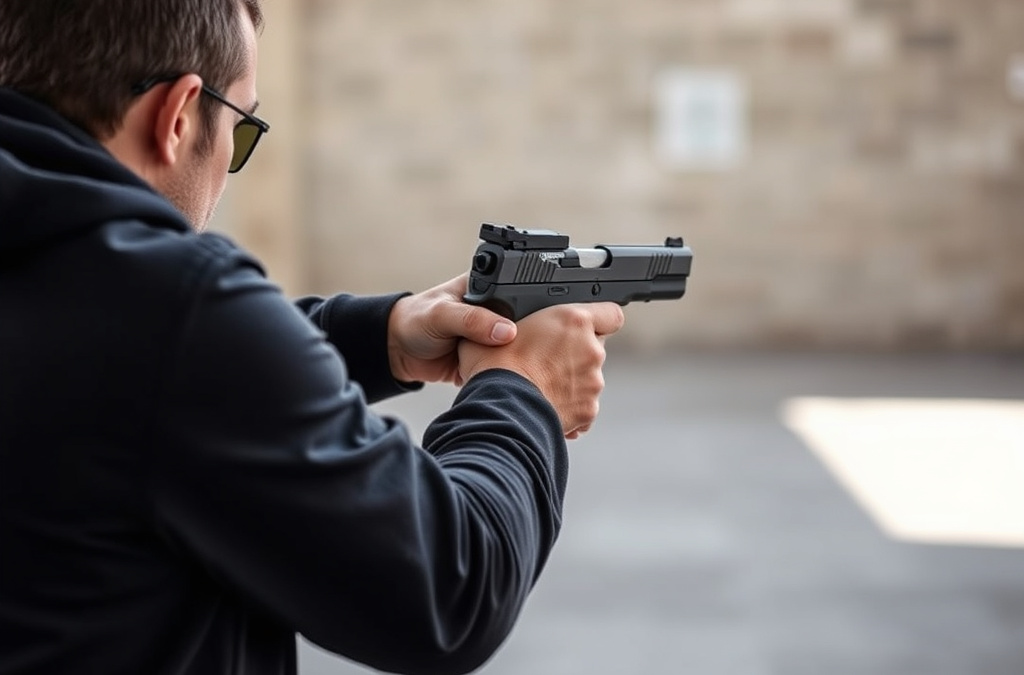
To avoid common mistakes in self-defense preparations, prioritize realistic training and situational awareness while also understanding the legal implications of your actions. Many individuals focus solely on physical techniques, neglecting the importance of mental readiness and avoidance strategies. Regular practice in varied environments can enhance your confidence and muscle memory, ensuring effective responses under pressure. Additionally, familiarize yourself with local self-defense laws to prevent legal complications that could arise from misunderstandings. Engaging in comprehensive training that includes simulated scenarios will better prepare you for real-life encounters.
Understanding the Importance of Self-Defense Preparation
Self-defense preparation is vital for personal safety, empowering individuals to respond effectively to threats. Recognizing potential dangers and understanding how to react can mean the difference between safety and harm. Preparation involves not just physical training but also mental readiness, situational awareness, and strategic planning. Many underestimate the psychological aspects of self-defense; being mentally prepared can enhance your response during a real encounter.
Effective self-defense preparation requires a holistic approach. It’s essential to consider various scenarios, from street encounters to home invasions. Understanding the risks associated with different environments helps in formulating a more comprehensive self-defense strategy. Moreover, regular training and practice can instill confidence and muscle memory, essential for executing techniques under pressure.
Common Mistakes in Self-Defense Preparations
Many individuals make critical errors in their self-defense preparations, often stemming from misconceptions or a lack of knowledge. A prevalent mistake is over-reliance on physical strength or specific techniques without considering the broader context. Effective self-defense is not just about knowing how to fight; it’s about awareness and avoidance strategies. Failing to develop these can lead to dangerous situations.
Another common pitfall is neglecting legal implications. Many do not understand the laws surrounding self-defense, which can vary significantly by location. Engaging in self-defense without proper knowledge of the law can lead to legal complications, even if the action was justified. Furthermore, individuals often fail to practice their techniques regularly, leading to a lack of proficiency when it matters most. Consistent training is crucial for maintaining skills and ensuring effective responses.

Effective Training Methods for Self-Defense
To prepare effectively for self-defense, individuals should engage in diverse training methods. Hands-on classes, such as martial arts or self-defense workshops, offer practical experience and can enhance physical skills. However, physical training alone is insufficient; incorporating scenario-based training can simulate real-life situations, helping individuals to think critically and adapt their responses.
Additionally, mental conditioning is vital. Techniques such as visualization can help prepare the mind for potential confrontations. Practicing situational awareness exercises can improve the ability to identify threats before they escalate. Training should also include discussions about emotional responses to stress, as managing fear and anxiety effectively can significantly impact one’s ability to respond in a crisis.
Creating a Practical Self-Defense Plan
A well-thought-out self-defense plan is crucial for effective preparation. Start by assessing personal risks based on lifestyle and environment. Identify potential threats and outline strategies for avoiding or confronting these situations. This plan should detail specific actions to take in various scenarios, including escape routes and safe havens.
It’s also important for individuals to communicate their self-defense plan with trusted friends or family members. This not only fosters accountability but also ensures that others can assist in case of an emergency. Regularly reviewing and updating the plan based on changing circumstances or new insights can further enhance its effectiveness, ensuring preparedness in any situation.
Frequently Asked Questions
What are the key elements of self-defense preparation?
The key elements include mental readiness, physical training, situational awareness, and understanding legal implications.
How often should I practice self-defense techniques?
Regular practice is essential; aim for at least once a week to maintain proficiency and confidence.
What should I include in my self-defense plan?
Your plan should outline potential threats, escape routes, safe locations, and actions to take in various scenarios.
Are there specific training methods recommended for self-defense?
Yes, engaging in martial arts, scenario-based training, and mental conditioning techniques are highly recommended.
How can I improve my situational awareness?
Practicing mindfulness and regularly assessing your environment can enhance your situational awareness significantly.
Further Reading
For those interested in expanding their knowledge about self-defense preparations, consider exploring resources from reputable organizations that specialize in personal safety and self-defense training.
Authoritative Sources
- National Safety Council
nationalsafetycouncil.orgA reliable resource offering insights into personal safety and emergency preparedness
- U.S. Courts
uscourts.govProvides valuable information on legal aspects of self-defense and personal rights
- Self Defense Institute
selfdefense.comOffers various courses and resources for practical self-defense training
Conclusion
Preparing for self-defense involves a multifaceted approach that encompasses mental and physical readiness, practical training, and a clear understanding of the law. By avoiding common mistakes and implementing effective training methods, individuals can enhance their ability to respond to threats confidently. Regularly reviewing and adapting your self-defense plan will ensure you remain prepared for any situation, prioritizing personal safety above all.
Related Content
- Prepping Your Family for Emergencies: Essential Supplies and Strategies
- Why Disaster Preparedness Matters: The Risks of Not Being Ready for an Emergency Situation
- Disaster Doesn’t Discriminate: Why Everyone Should Be Emergency Prepared
- The Ultimate Guide to 10 Effective Water Purification Methods in 2025
- Preparing for the Worst: The Importance of Disaster Preparedness




