
When severe weather looms, the stakes are high. Getting prepared before a storm is not just about having supplies; it’s about ensuring your safety and that of your family. Many people underestimate the impact of storms, leading to last-minute panic and inadequate preparations. By understanding the real risks and taking proactive steps, you can significantly reduce the potential for harm and loss.
Common mistakes include neglecting to create a comprehensive emergency plan, underestimating the power of the storm, or waiting until the last minute to gather supplies. A lack of preparation can lead to chaos during an emergency, exacerbating stress and danger. Instead, a smart approach involves assessing your unique risks, understanding your environment, and prioritizing the most critical preparations based on your household’s needs.
Assessing Your Storm Risks
Understanding your specific storm risks is the first step in effective preparation. Different regions face different types of storms—hurricanes, tornadoes, floods, or winter storms—and each requires tailored strategies. Evaluate the historical frequency and severity of storms in your area, considering factors such as proximity to water bodies, elevation, and local infrastructure.
Failing to accurately assess risk can lead to inadequate preparations. For instance, if you live in a flood-prone area but only stock up on basic supplies, you may overlook critical items like sandbags or waterproof storage for important documents. Prioritize preparations based on the likelihood of various storm types affecting your home.
Creating an Emergency Kit
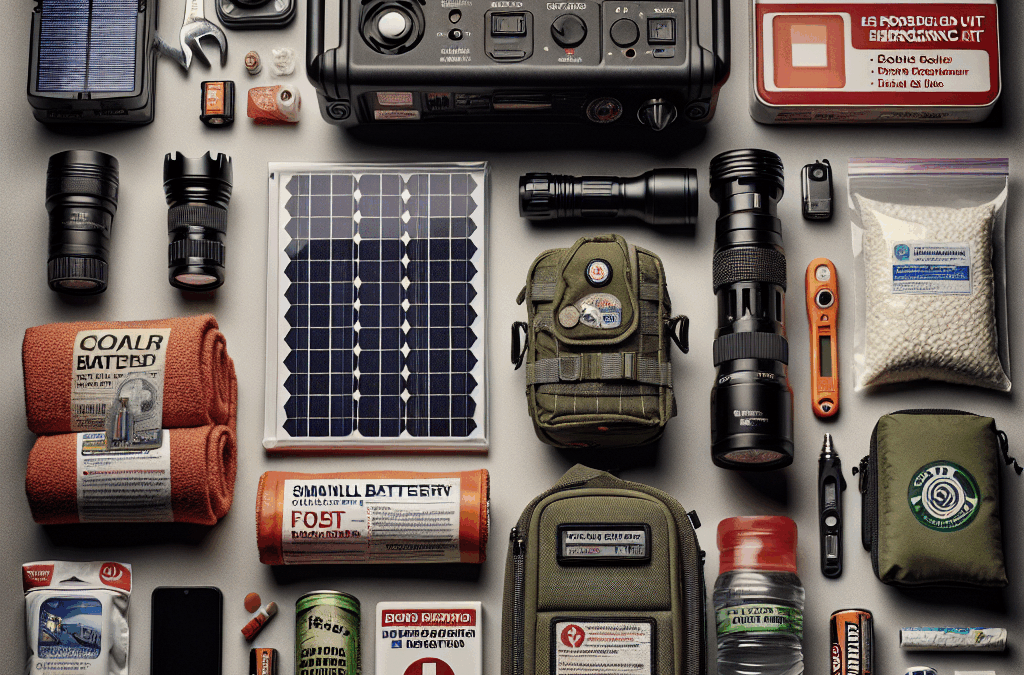
An emergency kit is a cornerstone of storm preparedness. This kit should include essential supplies that can sustain you and your family for at least 72 hours without assistance. Key items include water, non-perishable food, a flashlight, batteries, a first-aid kit, and necessary medications.
Many people fail to update their emergency kits regularly, leading to expired food or missing crucial items. Consider your household’s unique needs—if you have pets, ensure you include food and supplies for them as well. Tailor your kit based on the specific storm risks you face, and remember to store it in a location that is easily accessible during an emergency.
Thank you for reading this post, don't forget to subscribe NOW for FREE!

Securing Your Property
Before a storm hits, take steps to secure your property. This includes reinforcing windows and doors, clearing gutters, and trimming trees that could fall on your home. If you live in a hurricane-prone area, consider installing storm shutters or boarding up windows.
Ignoring property security can lead to significant damage and increase recovery time after a storm. Identify the most vulnerable points of your home and take action early. If you’re on a budget, focus on the highest risk areas first, such as windows and roof structures, where damage can be most costly.
Staying Informed and Connected
Staying informed about storm developments is crucial. Monitor local news, weather apps, and alerts from emergency services to receive timely updates. Make sure you have a battery-operated or hand-crank radio for information in case power goes out.

Many people underestimate the importance of communication during a storm. Ensure that all family members know how to access information and that you have a plan for check-ins. Consider creating a group text or using an app that allows for communication even if cell towers are overloaded. Preparing for connectivity issues can help you stay coordinated and safe during a storm.
Further Reading
Authoritative Sources
- Ready.gov
ready.govA comprehensive resource for emergency preparedness, offering checklists and planning tools
- National Weather Service
nws.noaa.govProvides real-time weather updates and warnings to help you stay informed about impending storms
- American Red Cross
redcross.orgOffers guidance on creating emergency plans and assembling emergency kits
Frequently Asked Questions
What should be in my emergency kit for a storm?
Your emergency kit should include water, non-perishable food, a flashlight, batteries, a first-aid kit, medications, and important documents.
How can I secure my home before a storm?
Reinforce windows and doors, clear gutters, and trim trees that could fall on your property. Consider storm shutters for added protection.
How do I stay informed about storm updates?
Monitor local news, weather apps, and emergency alerts. Keep a battery-operated radio for updates if power goes out.
What are common mistakes people make when preparing for storms?
Common mistakes include waiting until the last minute to gather supplies, neglecting to create a comprehensive emergency plan, and underestimating the storm’s potential impact.
How often should I update my emergency kit?
Regularly check and update your emergency kit every six months or after using any items. Ensure food and medications are not expired.
Conclusion
Getting prepared before a storm is a critical task that can save lives and protect property. Assess your unique risks, create a robust emergency kit, secure your home, and stay informed. Prioritize these actions to ensure you and your loved ones are ready to face the challenges of severe weather. Take proactive steps today to enhance your storm preparedness and safeguard what matters most.
Related Content
- Readiness for Families: Essential Steps for Effective Emergency Preparedness
- The Impact of Community Resources on Individual Plans: Practical Examples and Benefits
- How to Handle Power Failures in Urban Areas
- The Ultimate Guide to Water Storage Preparation: 7 Effective Tips for 2025
- Emergency Survival Plan: Essential Checklist for Preparedness and Response




