
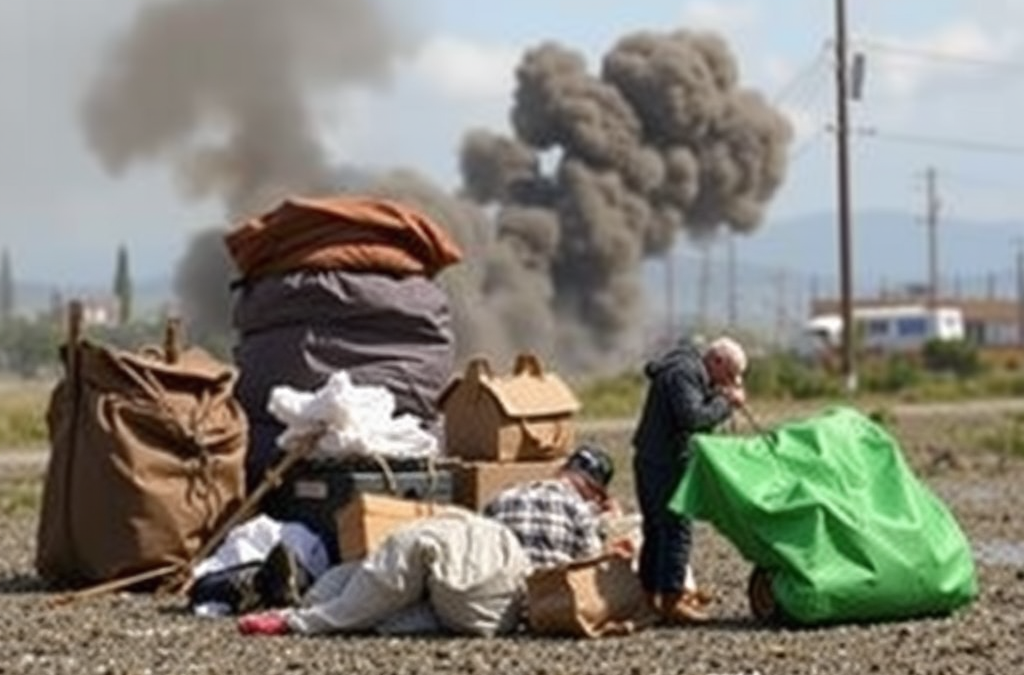
Prepping for rare but serious disasters presents unique challenges, primarily due to their unpredictable nature and the infrequency with which they occur. Many individuals and communities struggle to allocate resources effectively, often underestimating the likelihood of such events and failing to stockpile essential supplies. This lack of preparation can lead to dire consequences when disasters strike, as seen during the COVID-19 pandemic. To mitigate these risks, it is essential to develop a comprehensive preparedness plan that includes training in emergency response and community engagement to ensure a coordinated effort during a crisis. Investing in knowledge and resources ahead of time can significantly enhance resilience against these unexpected threats.
Understanding Rare Disasters
Rare disasters, such as volcanic eruptions or major biological outbreaks, often catch communities off guard due to their infrequency and unpredictability. Unlike more common emergencies, the rarity of these events can lead to complacency and a lack of preparation. Understanding the nature of these disasters is crucial; they can emerge suddenly and escalate quickly, necessitating immediate responses that most individuals and communities are unprepared for. The psychological aspect of rarity can also lead to misconceptions about the likelihood of occurrence, resulting in insufficient planning.
For example, the 2020 COVID-19 pandemic was a stark reminder of how quickly a rare biological disaster can unfold, overwhelming healthcare systems and impacting daily life. Communities that had not previously considered pandemic preparedness faced significant challenges in securing medical supplies and implementing effective public health measures.
Identifying Key Challenges
Several challenges arise when preparing for rare but serious disasters. One major issue is the allocation of resources. Individuals and organizations often struggle to justify the investment in supplies and training for events that may never happen. This leads to inadequate stockpiling of essential items such as food, water, and medical supplies, which can be critical during a disaster.
Another challenge is the lack of specialized knowledge required for effective response. Many individuals do not possess the necessary skills to manage complex emergencies, such as coordinating evacuation routes or understanding the intricacies of disease transmission. Additionally, the communication of risks is often hampered by misinformation or a lack of trust in authorities, making it difficult for communities to unite in preparation efforts.

Resource Management Strategies
Effective resource management is key to overcoming the challenges associated with rare disasters. Prioritizing the procurement of versatile supplies that can serve multiple purposes is one effective strategy. For example, items like multi-tools, first aid kits, and non-perishable food can provide essential support in various scenarios. Establishing a clear inventory and regularly updating supplies ensures that resources remain viable and accessible.
Moreover, investing in training programs that teach critical skills can empower individuals to respond effectively in emergencies. Workshops focusing on first aid, emergency communication, and disaster-specific response strategies can enhance community resilience. Engaging with local emergency management organizations to stay informed about potential risks and preparedness initiatives can also strengthen resource management efforts.
Community Preparedness and Involvement
Community involvement plays a pivotal role in addressing the challenges of prepping for rare disasters. Collaborative efforts can lead to a more comprehensive approach to preparedness, where resources and knowledge are shared among community members. Forming local preparedness groups can facilitate the exchange of information and foster a culture of readiness.
Regular drills and community meetings can enhance awareness and readiness. These gatherings not only reinforce individual preparedness but also build relationships that can be crucial during a disaster. For example, neighborhood networks can establish communication protocols that ensure everyone is informed and supported during an emergency. Encouraging community engagement in local disaster response plans can also help tailor strategies to specific regional risks.
Frequently Asked Questions
What types of disasters are considered rare but serious?
Rare but serious disasters include events like volcanic eruptions, major biological outbreaks, and significant earthquakes that occur infrequently but can have devastating impacts.
Why is community involvement important in disaster preparedness?
Community involvement fosters collaboration, enhances resource sharing, and builds relationships that are critical for effective disaster response.
What is a common misconception about preparing for rare disasters?
A common misconception is that rare disasters are unlikely to happen, leading to complacency and insufficient preparedness efforts.
What role do government agencies play in disaster preparedness?
Government agencies provide resources, guidelines, and support for disaster preparedness, helping communities develop effective emergency response plans.
Further Reading
Authoritative Sources
- Ready.gov
ready.govThis government resource provides comprehensive information on disaster preparedness, including planning tools and checklists
- FEMA
fema.govThe Federal Emergency Management Agency offers guidelines and resources for individuals and communities to prepare for various emergencies
- American Red Cross
redcross.orgThe Red Cross provides training programs, resources, and information on disaster preparedness and response
- CDC Emergency Preparedness
cdc.govThe Centers for Disease Control and Prevention offers resources related to public health emergencies and response strategies
Conclusion
Prepping for rare but serious disasters requires a proactive approach that prioritizes understanding risks, resource management, and community involvement. By recognizing the unique challenges posed by these events and taking steps to prepare, individuals and communities can significantly enhance their resilience. Investing in training, maintaining a flexible resource inventory, and fostering collaboration among community members are essential strategies for effective preparedness. As rare disasters can strike without warning, being prepared is not just wise but a necessary responsibility.
Related Content
- Household Preparedness Plan: Essential Steps for Effective Family Safety
- The Impact of Stress on Decision-Making in Emergencies: Causes, Mechanisms, and Real-World Consequences
- How to Stay Focused During Crisis Events
- When Disaster Strikes: A Comprehensive Guide to Emergency Preparedness
- The Ultimate Emergency Readiness Guide 2025: 10 Effective Tips to Stay Prepared




