
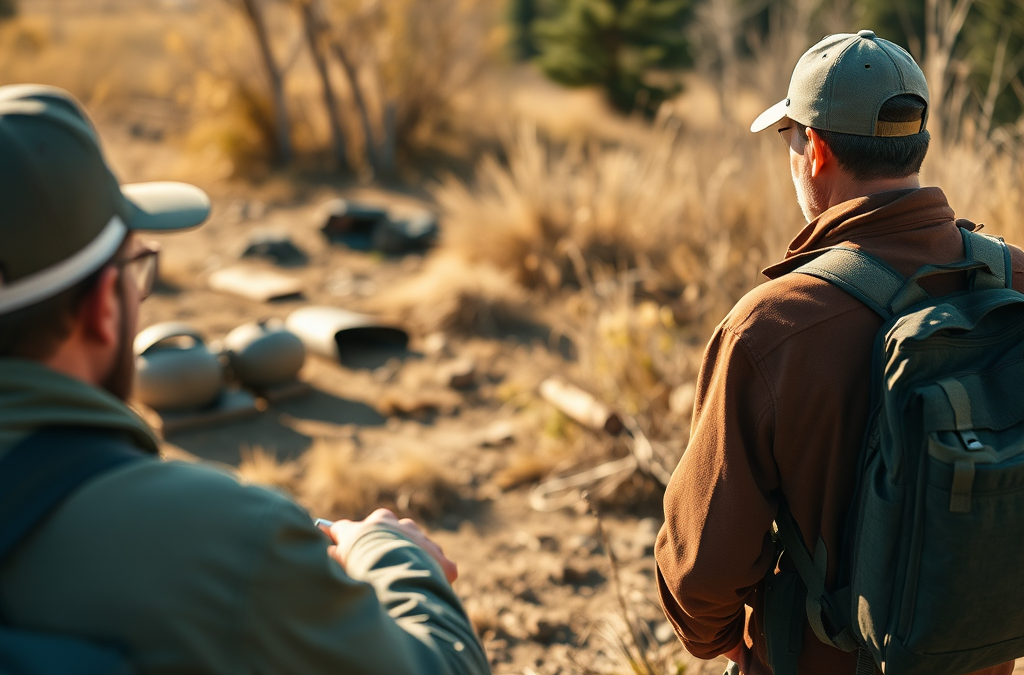
Outdated survival strategies pose serious risks, including inadequate responses to modern threats and reliance on obsolete information. Many individuals cling to outdated methods that fail to account for technological advancements and changing environmental conditions, which can leave them vulnerable during emergencies. A critical mistake is overlooking the importance of community collaboration, as outdated plans often emphasize individual preparedness. To enhance survival readiness, regularly update strategies, incorporate current knowledge, and engage with community resources that reflect contemporary realities.
Understanding Outdated Survival Strategies
Outdated survival strategies often stem from reliance on past experiences and information that no longer applies to current situations. Many individuals base their preparedness on historical events, leading to a false sense of security. For instance, strategies developed during earlier decades may not account for the rapid advancements in technology, communication, and environmental changes. As threats evolve, so must our understanding of effective survival tactics.
One major risk tied to outdated strategies is the assumption that past events will guide future outcomes. This can lead to critical oversights, such as neglecting new types of natural disasters or changes in societal structures. It is crucial to recognize that survival strategies must be dynamic and adaptable, reflecting ongoing developments in our world.
Common Mistakes in Survival Planning
Many people fall into the trap of sticking with outdated survival plans, often due to complacency or a lack of awareness regarding new threats. One common mistake is relying solely on traditional resources, such as printed manuals or outdated websites, which may not provide the most current information. This reliance can create gaps in knowledge, leading to inadequate preparation.
Another mistake is ignoring the importance of community engagement. Many outdated strategies emphasize individual preparedness without considering the benefits of collaboration and resource sharing within a community. Engaging with others can enhance overall preparedness and provide access to diverse skills and resources, which are critical during emergencies.

Consequences of Ignoring Updated Strategies
The consequences of failing to adapt survival strategies can be severe. Individuals relying on outdated information may find themselves ill-equipped during emergencies, leading to increased vulnerability. For example, during natural disasters, outdated strategies may not address modern technologies like GPS or communication tools that can facilitate evacuation and safety.
Moreover, outdated strategies can result in wasted resources and time. Individuals may invest in supplies or training that do not align with current needs, leading to frustration and potential danger during actual crises. Understanding the consequences of ignoring updated strategies is essential for developing a more effective survival plan.
How to Modernize Your Survival Approach
To modernize survival strategies, individuals should start by conducting thorough research on current threats and best practices. Engaging with reputable sources, such as government emergency management websites or community preparedness programs, can provide valuable insights. Additionally, incorporating technology into survival plans—like using apps for emergency alerts or communication—can enhance readiness.
Another effective approach is to participate in local preparedness groups, which can offer workshops and training sessions focused on modern survival techniques. These communities can also facilitate resource sharing, ensuring that individuals have access to the latest information and tools. Regularly reviewing and updating survival plans is crucial to staying prepared for any situation.
Frequently Asked Questions
What are outdated survival strategies?
Outdated survival strategies are preparedness plans or tactics based on old information that may not be relevant to current threats or technologies.
Why is it risky to rely on outdated survival strategies?
Relying on outdated strategies can lead to inadequate preparation for emergencies, exposing individuals to greater risks during crises.
How can I update my survival strategies?
Updating survival strategies involves researching current threats, engaging with community resources, and utilizing modern technology for preparedness.
What are common mistakes in survival planning?
Common mistakes include relying on outdated information, neglecting community engagement, and failing to adapt to new threats.
What are the consequences of ignoring updated survival strategies?
Ignoring updated strategies can result in being ill-equipped during emergencies, wasted resources, and increased vulnerability to threats.
Further Reading
Authoritative Sources
- Ready.gov Preparedness Guidance
ready.govFederal preparedness guidance for household planning, alerts, supplies, and emergencies
- American Red Cross Emergency Preparedness
redcross.orgEmergency preparedness resources for families, disasters, and practical safety planning
- FEMA Preparedness Resources
fema.govNational preparedness resources for planning, mitigation, and response readiness
Conclusion
Staying current with survival strategies is essential for effective preparedness. By understanding the risks associated with outdated approaches, individuals can make informed decisions that enhance their readiness for emergencies. Regularly updating plans, engaging with community resources, and leveraging modern technology will help ensure a comprehensive and effective survival strategy.
Related Content
- Powering Only Essential Circuits Without Exceeding Inverter Limits: A Load-Shedding Plan
- Ready for Anything Checklist: Essential Supplies and Steps for Preparedness
- The Ultimate Guide to Preparation Before Disaster Strikes in 2025: 7 Effective Strategies
- Family Check-In Schedules During Unreliable Communications — Timing, Backup Methods, And Contact Rules
- Preparing for the Worst: A Comprehensive Guide to Disaster Preparedness




