
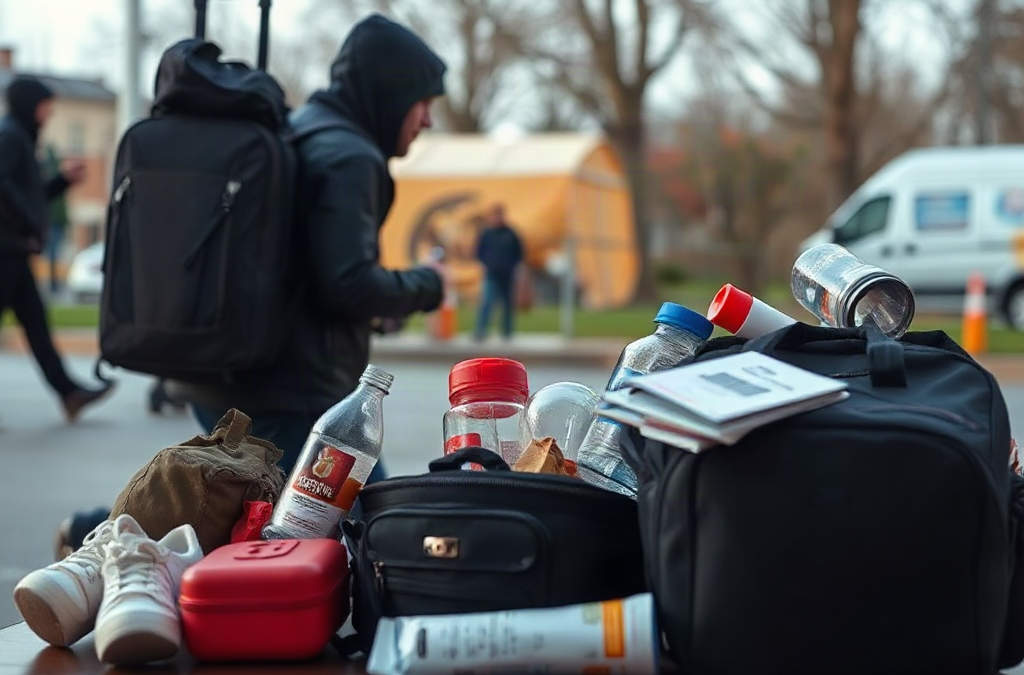
An emergency packing list for rapid departure should put identification, medications, water, communication tools, payment access, protective clothing, and essential documents ahead of comfort items. Pack these supplies in a small, labeled bag that can be lifted quickly, then add prescriptions, phone power, keys, glasses, and a paper contact list. Keep copies of identification and medical information in a waterproof sleeve, and store the bag where every household member can reach it. Avoid filling the bag with bulky clothing or rarely used gear before securing items that support immediate safety, communication, transportation, and health needs.
Set the Packing Order Before You Need It
Rapid departure changes packing from a shopping exercise into a time-and-access problem. Smoke, flooding, a damaged road, a utility failure, or an official evacuation notice may leave little opportunity to search drawers, charge devices, or compare options. A useful bag therefore protects the first few hours away from home rather than attempting to recreate an entire household.
Use a priority order based on consequences. Items that protect life, preserve access to care, or enable communication belong at the top. Documents, medications, water, a phone charger, keys, glasses, and payment methods generally deserve space before entertainment, extra cookware, or multiple outfit changes. A bag that is technically complete but too heavy to carry can fail at the doorway, so weight is part of the safety calculation.
A practical first-pass order is:
- Health: prescription medication, inhalers, hearing-aid supplies, glasses, first-aid basics, and medically relevant information.
- Identity and access: identification, insurance details, emergency contacts, keys, cash, and payment cards.
- Communication and power: charged phone, charging cable, power bank, flashlight, and a small radio if appropriate.
- Water, food, and protection: bottled water, ready-to-eat food, weather-appropriate layers, sturdy shoes, and hygiene supplies.
The most common mistake is treating every item as equally urgent. If a household has only ten minutes, someone should be able to grab the bag, take essential medication, secure pets, and leave without debating what to remove. Use An emergency packing list for rapid departure as a written reference, but tailor the order to actual medical, mobility, and transportation needs.

Build the First-Departure Bag
The core bag should support movement, communication, and basic self-care for the initial period away from home. A durable backpack or soft-sided carry bag is usually easier to manage than a rigid container because it leaves both hands available and fits more readily in a vehicle. Choose a size that a smaller or older household member can lift; a large bag packed to its maximum capacity often becomes a burden rather than an advantage.
Place frequently needed items in exterior or top compartments. Medication, identification, keys, a flashlight, and a phone cable should not be buried under clothing. Put paper records and electronics in resealable waterproof pouches, but do not assume a plastic bag makes equipment safe in every flood or prolonged exposure. Keep a duplicate of important contacts on paper because a dead phone, damaged screen, or weak signal can remove access to digital information.
A compact starting load can include:
- Identification copies, insurance information, emergency contacts, and a small amount of cash.
- At least one refill or supply of regularly used medication when medically and legally practical, plus a medication list showing names, doses, and prescribers.
- Water, shelf-stable snacks, a manual can opener if canned food is included, and a small reusable cup or bottle.
- Phone charging cable, power bank, flashlight, spare batteries where compatible, and a whistle.
- Basic hygiene items, hand sanitizer, tissues, menstrual supplies, and necessary incontinence products.
- Lightweight clothing layers, socks, sturdy footwear if the departure location makes changing shoes difficult, and a simple rain layer.
Food selection should reflect immediate practicality. Choose items that can be eaten without refrigeration, heating, or complicated preparation, such as packaged crackers, nut or seed products where safe, dried fruit, or ready-to-eat bars. Avoid adding foods that melt, leak, require a utensil, or conflict with allergies. Water is heavy, so households may divide bottles among bags or keep additional water in the vehicle rather than making one person carry the entire supply.
Another weak assumption is that a first-departure bag must contain every emergency tool. A compact multitool, duct tape, or a large cooking kit may be useful in a longer-term supply cache, but they should not displace medication, identification, or footwear in a bag designed for immediate movement. The better approach is to maintain a light departure bag and a separate household reserve.
Adapt Supplies for People, Pets, and Weather
A general list becomes reliable only after it reflects the people who must use it. Children, older adults, people with disabilities, and anyone managing a chronic condition may need specific equipment, extra time, or a different carrying arrangement. Write down the item and the reason it matters rather than relying on memory. For example, “spare glasses” is more actionable than “vision supplies,” especially when someone else may be packing.
Medication deserves special handling. Keep an up-to-date list with drug names, strengths, dosing instructions, allergies, and relevant clinician or pharmacy contact information. Do not place heat-sensitive medication in a hot vehicle for extended periods, and follow the product’s storage instructions. If a supply is difficult to replace, ask a pharmacist or clinician about a lawful, medically appropriate backup approach rather than improvising during a crisis.
Mobility and sensory needs also change the packing plan. A wheelchair user may need a charging cable, cushion, transfer equipment, or repair information. A person who relies on hearing aids may need batteries or a charging case. Someone with a service animal may require food, medication, identification, waste bags, and a leash or harness. Comfort items for children can reduce distress and make transit more manageable, but they should be compact and attached to the child’s or caregiver’s bag so they are not left behind.
Pets need a separate, clearly marked supply pouch or container. Include food, water, a bowl, leash, carrier access, medications, waste supplies, and a recent photograph or identifying information. Never assume an emergency shelter or transportation service will accept an animal without conditions; check local arrangements when possible. The same principle applies to livestock or outdoor animals, whose needs may require a separate relocation plan rather than a backpack.
Weather determines which tradeoffs are sensible. Cold conditions increase the value of insulation, dry socks, gloves, and head protection. Heat increases the need for water, shade, breathable clothing, and a plan to avoid leaving people or animals in parked vehicles. Flood conditions may make sandals unsafe and can damage paper records, while wildfire smoke may make eye protection or well-fitting respiratory protection relevant. These additions should be scenario-specific; carrying every possible item creates weight that slows departure.
Use An emergency packing list for rapid departure alongside a short household profile: medical needs, mobility limits, allergies, pets, likely transport, and seasonal hazards. That profile prevents a common failure—owning a generic kit that does not work for the actual people leaving.
Store, Test, and Improve the Kit
Storage determines whether a packed bag is usable. Keep it near a normal exit, not in a locked basement, inaccessible attic, or vehicle that may be blocked. Every household member should know its location, and at least one person should know how to retrieve medication, documents, and pet supplies if the primary packer is absent. A bright label can help visitors or caregivers identify the bag without opening every container.
Test the bag under realistic conditions. Lift it with one hand, walk it to the vehicle or meeting point, and check whether the contents shift, leak, or snag. Try locating the flashlight and medication in low light. Confirm that charging cables match current phones and that batteries have not corroded. A kit that looks organized on a shelf but takes several minutes to open is not ready for a rushed exit.
Review the contents on a schedule tied to real changes: medication refills, seasonal weather, school or work changes, new pets, a move, or a new mobility requirement. Replace expired food, damaged packaging, wet documents, and clothing that no longer fits. Recharge power banks after use and test flashlights rather than assuming a spare battery solved the problem.
Separate “leave now” items from “take if time allows” items. The first group should fit in one manageable bag and include health, identity, communication, water, and protection. The second group might include additional clothing, a laptop, sentimental items, extra food, or specialized tools. If both groups are mixed together, people often spend valuable minutes sorting through low-priority belongings.
Practice also reveals transportation conflicts. A bag that works for a car may be too large for a bus, while a family with no vehicle may need smaller individual packs and a folding carrier for supplies. Decide who carries which item, where people meet if separated, and which documents can be accessed digitally without relying on a single device. Those decisions make the checklist operational rather than merely comprehensive.
For a more detailed household setup, connect this checklist with An emergency packing list for rapid departure and keep a second supply cache for situations in which leaving is not required. The two purposes should not compete: rapid-departure gear favors low weight and immediate access, while a home reserve can hold bulkier food, water, tools, and sanitation supplies.
Frequently Asked Questions
How large should a rapid-departure bag be?
Use a bag that the person assigned to carry it can lift and walk with comfortably. A smaller, prioritized bag is usually more useful than an oversized pack that cannot be moved quickly.
What should be packed first?
Pack medication, identification, keys, phone power, water, communication tools, and weather protection before comfort items or bulky equipment.
Should emergency food require cooking?
Food for immediate departure should normally be ready to eat and stable without refrigeration or heating. Cooking equipment belongs in a separate longer-term supply cache unless the situation specifically requires it.
Where should the bag be stored?
Keep it near a normal exit in a dry, accessible location known to everyone who may need to leave. Avoid placing it where a locked door, debris, or a vehicle could make retrieval difficult.
How often should the contents be checked?
Review the bag whenever medications, household members, pets, seasons, or transportation arrangements change, and periodically inspect food, batteries, electronics, clothing, and documents.
Further Reading
Authoritative Sources
- Build a Kit
ready.govProvides federal guidance on assembling supplies for emergencies and adapting a kit to household needs
- Survival Kit Supplies
redcross.orgOffers practical supply categories and considerations for people, pets, and different emergency situations
Conclusion
A rapid-departure bag succeeds when it can be found, lifted, understood, and used without sorting. Put health information, medication, identification, keys, communication power, water, and weather protection ahead of bulky gear. Adjust the contents for mobility needs, children, pets, allergies, climate, and the transportation available to your household. Store the bag near an exit, divide responsibilities, and test the arrangement by walking it through an actual departure drill. Keep a separate reserve for supplies that support a longer disruption so the quick-exit bag remains light. Review it after any change in prescriptions, household membership, season, or travel pattern. The next useful step is to pack one bag today, weigh it, label it, and remove anything that delays access to the items most difficult to replace.




