
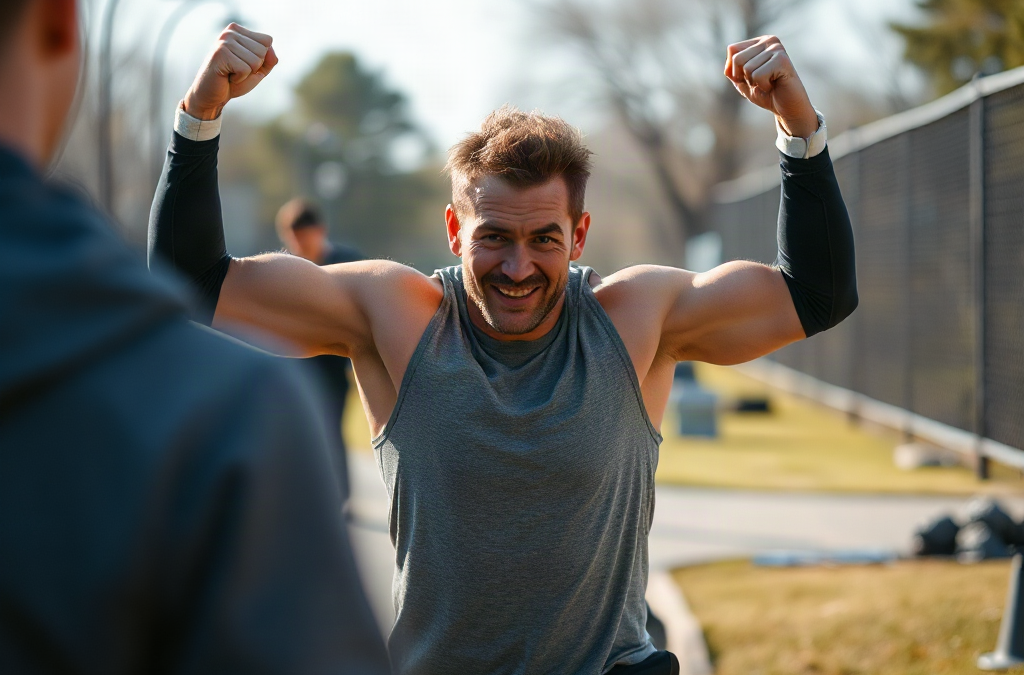
Physical readiness training for demanding emergency tasks should combine aerobic capacity, loaded strength, power, mobility, and task-specific fatigue practice while controlling injury risk. Build first with steady conditioning, carries, squats, hinges, step-ups, crawling, and pressing, then add short work intervals that resemble stair climbs, equipment movement, awkward lifting, or repeated ground-to-standing actions. Progress one training variable at a time rather than increasing load, distance, speed, and volume together. Full recovery, footwear, heat exposure, previous injuries, and job-specific equipment all affect readiness. A useful plan measures whether technique remains stable under fatigue, because strength that disappears during rushed movement may not transfer safely to an emergency scene.
What Emergency Readiness Actually Requires
Demanding emergency work rarely tests one isolated fitness quality. A responder may need to climb stairs while carrying equipment, move a person from a confined position, kneel and rise repeatedly, drag an uneven load, or work in heat while wearing restrictive clothing. Physical readiness therefore means maintaining useful movement and judgment across several efforts, not simply achieving a fast run time or a heavy gym lift.
The first training decision is to identify the repeated actions that matter. Stair climbing stresses the heart and legs; a drag or carry demands trunk stiffness, grip endurance, and force through the hips; floor-level work tests mobility and the ability to stand without wasting motion. A strong athlete who has never trained with a vest, tool, hose, or irregular load may discover that familiar exercises do not automatically transfer to a scene.
That does not make highly specific simulation the best starting point. Maximal task practice performed while unconditioned can produce poor mechanics and excessive soreness. General capacity should come first, followed by controlled exposure to the positions, implements, and work-rest patterns likely to appear in the role. Someone returning after a long break may benefit from brisk incline walking and moderate carries before attempting repeated stair sprints with equipment.
A practical readiness check looks beyond completion. Notice whether the back rounds during a lift, the knees collapse during step-ups, the grip opens during a carry, or breathing becomes so uncontrolled that instructions are missed. Those signs show where training should be adjusted. Use Physical readiness training for demanding emergency tasks as a process of matching capacity to exposure, not as a contest to imitate the worst possible call every session.

Building the Physical Qualities That Transfer
Useful conditioning combines an aerobic base with short, repeatable bursts of strength and power. Steady walking, jogging, cycling, or stair work performed at a conversational intensity can improve tolerance for longer efforts and help a person recover between harder bouts. Intervals are more specific to urgent work, but using them exclusively often leaves the trainee unable to recover after the first intense sequence.
Strength training should emphasize movements that support lifting, bracing, climbing, and carrying. Squats or split squats train the legs; deadlift variations develop hip-driven lifting; rows and presses build upper-body capacity; carries challenge grip and trunk control. A sandbag, water container, or uneven implement may be more informative than a perfectly balanced barbell once basic technique is reliable. The tradeoff is precision: irregular loads resemble field demands but can make technique harder to monitor.
Power is different from slow strength. A controlled step-up may build force, while a fast but technically sound step-up or medicine-ball throw develops the ability to produce force quickly. Power work should stop when speed or coordination visibly declines. Adding fatigue until every repetition becomes slow may create more exhaustion without improving the quality needed for a rapid obstacle, lift, or change of direction.
Mobility deserves a functional test rather than a long list of stretches. Can the trainee kneel, rotate, reach, and stand while keeping control? Can the ankles flex enough for stairs without the heels lifting excessively? Brief mobility work before training may improve movement quality, while longer stretching or low-intensity recovery work can fit after sessions. A common mistake is treating flexibility as a substitute for strength in the positions where a person must stabilize an awkward load.
A simple weekly mix might include two strength sessions, two aerobic sessions, one interval or task circuit, and at least one full rest day. Beginners can use fewer hard sessions and more walking; experienced trainees may add load or density, but not every variable simultaneously. The companion Physical readiness training for demanding emergency tasks should change according to the actual role, available equipment, and recovery response.
A Progressive Six-Week Training Structure
A six-week structure works best when it develops capacity before testing it. During weeks one and two, keep resistance moderate and practice clean patterns: step-ups, hinges, squats, rows, presses, carries, crawling, and controlled floor transfers. Aerobic sessions should be long enough to build tolerance but easy enough that speech remains possible. The target is repeatable movement, not soreness that interferes with the next session.
Weeks three and four can introduce more specific stress. Add moderate stair intervals, timed carries, short sled drags, or circuits that combine a few movements without turning the session into an uncontrolled race. For example, a circuit might use stair walking, a 20- to 30-meter carry, a controlled dummy or sandbag drag, and a brief recovery period. The exact distance and load should reflect the trainee’s experience and equipment rather than an arbitrary benchmark.
Weeks five and six can emphasize repeatability under fatigue. Use several work bouts with planned recovery and record whether pace, posture, grip, and breathing remain acceptable. A useful session may alternate a loaded stair climb with an unloaded movement, then repeat the sequence after a longer recovery. The purpose is not to prove that a person can survive one heroic effort; it is to reveal whether useful output returns between efforts.
Progression should follow a narrow rule: increase only one major demand at a time. Add a little load while keeping the distance and pace stable, or add one interval while preserving technique and recovery. Increasing weight, speed, duration, and circuit complexity in the same week makes it difficult to identify the cause of pain or declining performance. A session that looks impressive on paper may be poorly designed if the trainee needs several days to move normally afterward.
Use a compact readiness checklist before advancing:
- Movement stays controlled during the final repetitions.
- Breathing settles during the planned recovery period.
- There is no new joint pain, altered gait, or persistent swelling.
- The trainee can repeat the session without unusual exhaustion the next day.
- Task equipment can be handled without unsafe compensations.
If two or more items fail, repeat the current level or reduce one variable. Training at a lower level with consistent quality is usually more useful than chasing a benchmark that encourages rushed lifting. For additional context, Physical readiness training for demanding emergency tasks should be coordinated with the physical demands and selection standards of the intended position.
Managing Fatigue, Recovery, and Injury Risk
Fatigue changes technique before it always changes motivation. A person may continue completing repetitions while losing trunk position, shortening steps, gripping too tightly, or failing to control the lowering phase. Those changes matter in emergency work because an awkward environment leaves less room to correct a poor lift or stumble. Stop a set when safe mechanics disappear, not only when the muscles feel completely spent.
Recovery includes sleep, food, hydration, and spacing between demanding sessions. A trainee who performs heavy lower-body work, hard stair intervals, and a loaded simulation on consecutive days may mistake accumulated fatigue for insufficient toughness. Place easier aerobic work or mobility between hard sessions. Regular meals containing carbohydrate and protein can support training fuel and repair, while fluid needs rise with heat, protective clothing, and long sessions; no single hydration formula fits every person or environment.
Equipment changes the cost of movement. Boots may restrict ankle motion, gloves may reduce grip feedback, and a vest can alter breathing and balance. Introduce one equipment change at a time at low intensity. Practice with realistic items only after basic movement is dependable, and avoid using damaged, unstable, or excessively heavy objects merely because they feel more authentic.
Common warning signs include sharp pain, pain that changes movement, dizziness, chest pressure, fainting, unusual shortness of breath, or symptoms that persist after stopping. Those signs warrant ending the session and obtaining appropriate medical advice. Previous injuries, cardiovascular conditions, medication use, pregnancy, and long periods of inactivity also justify individualized clearance rather than a generic progression.
The most useful measure is not the hardest workout completed. Track whether the trainee can perform the relevant task with stable mechanics, recover on schedule, and repeat the effort later. If performance improves while soreness, technical errors, and recovery time decline, the program is moving in the right direction. If every session becomes a test, reduce intensity and restore the foundation before adding more realism.
Readers can compare their program with occupational fitness materials from relevant fire, emergency medical, rescue, military, or public-safety organizations and with guidance from qualified clinicians or strength professionals. Official job descriptions and agency testing documents are especially useful for identifying the actual carries, climbs, lifts, distances, and protective equipment that training should eventually resemble.
Frequently Asked Questions
How often should demanding task circuits be performed?
Usually once weekly is enough for a developing trainee, with strength and aerobic work on separate days. More frequent simulation can be appropriate for advanced trainees only when technique and recovery remain stable.
Should running be the main form of preparation?
Running can build aerobic capacity, but it does not replace loaded carries, stair work, floor transfers, grip training, or controlled lifting. Choose low-impact conditioning if impact aggravates an existing problem.
When should external load be added?
Add load after the unloaded movement is controlled and repeatable. Begin with a manageable implement, preserve posture and breathing, and increase either load or duration before increasing both.
How can someone train with little equipment?
Use stairs, step-ups, backpacks loaded conservatively, water containers, crawling, bodyweight squats, split squats, push-ups, and brisk intervals. Household objects should be stable and easy to release if control is lost.
What shows that a program is progressing too quickly?
Persistent soreness, declining movement quality, worsening joint pain, slower recovery, disrupted sleep, or repeated missed sessions suggests that volume or intensity is exceeding current capacity.
Conclusion
Effective readiness training connects general fitness to the movements and fatigue patterns of emergency work. Build an aerobic base, develop lower-body and upper-body strength, practice power without sacrificing control, and introduce carries, stairs, drags, and floor transfers in measured stages. Treat equipment as a progression rather than a shortcut, and judge success by repeatable technique and recovery instead of one dramatic effort. A six-week block can establish a useful baseline when each increase is deliberate and warning signs are respected. Next, list the physical tasks most likely in the intended role, assess current movement quality, and schedule a manageable first week. Adjust the plan when pain, poor mechanics, or delayed recovery shows that the present workload is ahead of the trainee’s capacity.
Related Content
- Be Disaster-Ready: Essential Tips for Emergency Preparedness
- Stay Safe: Your Ultimate Guide to Emergency Readiness
- The Role of Pets in Your Family’s Emergency Plans
- Using Outage Milestones to Trigger Changing Household Actions With a Practical Decision Timeline
- Post-Outage Inspection Before Restoring Household Appliances: A Safe Restart Sequence




