
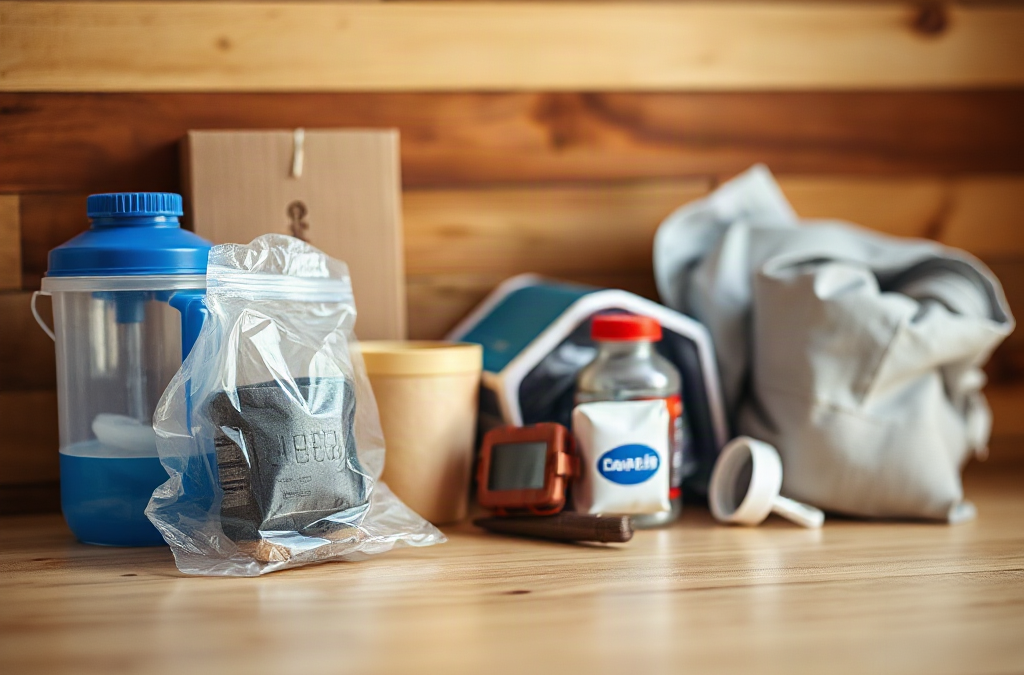
Every emergency preparedness plan should cover three connected parts: immediate safety actions, essential supplies and services, and communication, evacuation, and recovery decisions. Safety actions identify where to shelter, when to leave, and how to handle hazards such as fire, severe weather, or utility loss. Supplies should match the likely disruption, household needs, medication schedules, and storage conditions rather than follow a generic shopping list. Communication planning assigns contacts, meeting places, and backup ways to receive information. Reviewing the plan with everyone who may use it exposes unclear instructions, inaccessible supplies, and outdated phone numbers before a crisis makes those weaknesses costly.
Immediate Safety Actions and Hazard Decisions
The first part of an emergency plan explains what people should do during the first minutes of a threat. A useful plan does not treat every emergency alike: sheltering from a tornado, leaving during a wildfire, responding to a home fire, and coping with a power outage require different actions. The plan should identify the hazards most plausible for the location and translate them into short, observable instructions.
Begin with the places that provide the best protection. Note the interior room or lower level used for severe weather, the exits from each sleeping area, the location of fire extinguishers, and the shutoffs that household members are authorized and able to use. The goal is not to create a technical manual. It is to remove hesitation when smoke, darkness, noise, or stress makes ordinary judgment harder.
A common weakness is writing “evacuate if necessary” without defining who makes the decision or what happens next. Set triggers that can be recognized, such as an official evacuation order, visible smoke approaching the property, a fire inside the home, or a loss of safe access. For a medical emergency, the plan may instead emphasize calling emergency services, unlocking the door, gathering medication information, and keeping pathways clear.
Households should compare a printed plan with actual mobility and safety constraints. A person using a walker may need more time and a clear route; a child may not know how to open a window; a pet may hide during alarms. Battery lighting, smoke alarms, hearing-alert devices, and accessible transportation can change the practical answer. The mistake is assuming that a plan works because it sounds sensible on paper. Walk the route, try the shelter location, and correct anything that cannot be performed quickly.

Supplies, Services, and Household Capabilities
The second part covers the resources needed to remain safe when normal services are interrupted. Supplies are only useful when they are reachable, usable, and suited to the disruption. A household facing a short power failure may need lighting, safe food handling options, and device charging; a longer interruption may also require water arrangements, sanitation, medications, cash access, and a way to receive updates.
Build the inventory around actual use rather than a generic pile of products. Record prescription schedules, infant supplies, mobility aids, glasses, allergy needs, pet food, and backup methods for essential equipment. Include shelf-stable foods the household already eats and a manual can opener if cans are part of the inventory. Store drinking water and sanitation supplies where they will not be trapped by a flooded basement, blocked garage, or locked cabinet.
Capability matters as much as quantity. A portable generator, for instance, does not solve an outage unless it can be operated safely outdoors, fueled appropriately, and kept away from windows and doors. A battery bank is less useful if its charging cable does not fit the household’s phones. A large stock of frozen food may offer little protection during a prolonged outage, while shelf-stable meals may be difficult for someone with limited cooking ability. The better choice depends on storage space, budget, health needs, and the likely duration of disruption.
Use a compact priority check when resources are limited:
- Life safety: medications, first-aid materials, safe lighting, alarms, and emergency contact information.
- Basic function: drinking water, ready-to-eat food, sanitation, warmth or cooling, and charging options.
- Continuity: documents, transportation funds, work or school needs, pet care, and replacement batteries.
Rotate items during ordinary life instead of waiting for an annual inspection. Check expiration dates, damaged packaging, battery condition, fuel storage rules, and whether medications require special handling. A frequent failure mode is confusing ownership with readiness: buying an item is not the same as knowing where it is, testing it, or ensuring every intended user can operate it. Link this inventory to Three parts every emergency preparedness plan should cover by recording the specific need each item addresses.
Communication, Evacuation, and Accountability
The third part defines how people will exchange information, separate safely, and reconnect when normal communication is unreliable. A plan should name an out-of-area contact, establish at least one local meeting place and one location outside the immediate area, and explain how household members report their status. These details reduce the chance that everyone makes separate assumptions during a fast-moving event.
Phone calls may fail because of congestion, damaged infrastructure, dead batteries, or poor reception. Text messages may work when voice calls do not, but a plan should not rely on one device or one network. Write important numbers on paper, keep a small charger where it can be found, and identify official alert channels for the local area. Agree on a simple message format, such as stating the person’s name, location, condition, and next destination.
Evacuation planning needs more than a route drawn on a map. Identify two ways out when possible, account for road closures, and decide who takes children, pets, medications, documents, and mobility equipment. A vehicle plan should include fuel awareness and a rule against leaving without essential passengers or supplies. People without cars need a specific transportation contact or public-service option; “find a ride” is not an operational instruction.
Consider a school-day scenario in which a storm closes roads while adults are at work. The plan should state whether children go to a designated caregiver, which adult has authority to collect them, and how that adult proves identity if required. For older relatives living elsewhere, record who checks on them and what information confirms that help has arrived. Avoid assuming that the closest person is the best responder; work schedules, disability, distance, and road access may make another person more reliable.
Keep copies of the plan in more than one safe location, but protect sensitive information. A paper copy at home can be paired with a secure digital copy accessible from outside the property. Review the contact tree after moves, job changes, new phone numbers, custody changes, or changes in medical needs. The practical test is whether a person who was not present during the planning conversation can follow the instructions without guessing. More on how these decisions fit together appears in Three parts every emergency preparedness plan should cover.
Testing and Updating the Plan
A plan becomes dependable through small tests, not through its length. Choose a quiet time to rehearse the most consequential actions: leaving the home, reaching the shelter room, locating the supply container, sending the agreed message, and meeting at the designated location. A short drill often reveals blocked exits, missing keys, dead batteries, confusing language, or equipment that no one knows how to use.
Test assumptions under realistic constraints. Turn off the lights briefly and see whether everyone can find the flashlight. Ask a child to explain where to meet without prompting. Check whether a neighbor can reach a household member who does not drive. If a medication needs refrigeration, confirm the backup arrangement with a pharmacist or clinician rather than guessing. For fuel-powered equipment, follow the manufacturer’s safety instructions and never test it inside a home, garage, or other enclosed space.
Different households should emphasize different parts. A renter may need landlord contacts and a plan for building evacuation; a rural household may need longer supply continuity and greater travel distances; an apartment resident may have limited storage but more nearby support. A plan for a person with a service animal should include the animal’s identification, supplies, and transportation needs. Treat these differences as design requirements, not optional additions.
After each drill or real incident, record what failed and assign a correction. Replace vague directions with names, locations, times, or conditions. Update the plan whenever household membership, health, transportation, housing, or local hazards change. A useful review asks four questions: Can everyone recognize the first action? Can the household function if utilities stop? Can separated people communicate and reunite? Can each person reach the needed supplies? The answers show where the next dollar or hour of preparation will have the greatest effect.
For a related way to organize priorities, use Three parts every emergency preparedness plan should cover as a recurring review rather than a one-time writing exercise. The strongest plan remains short enough to use, detailed enough to guide decisions, and flexible enough to handle conditions that were not anticipated.
Frequently Asked Questions
What are the three main parts of an emergency preparedness plan?
The three parts are immediate safety actions, supplies and service continuity, and communication, evacuation, and accountability. Each should reflect the household’s hazards and capabilities.
How often should an emergency plan be reviewed?
Review it at least annually and whenever someone moves, a phone number changes, medical needs develop, transportation changes, or a major local hazard occurs.
Should an emergency plan be printed?
Yes. A printed copy remains available when internet service, power, or a phone is unavailable. Keep it in a known, accessible location and protect sensitive personal details.
What is the most common preparedness planning mistake?
Many plans list supplies or general intentions without assigning actions. A usable plan names who acts, where people go, how they communicate, and what conditions trigger a decision.
How can a household prepare on a limited budget?
Prioritize life-safety items, medication continuity, water, lighting, sanitation, and communication. Use ordinary household purchases, rotate supplies, and improve one capability at a time instead of buying specialized gear first.
Further Reading
Authoritative Sources
- Make a Plan
ready.govProvides federal guidance for household communication, evacuation, sheltering, and emergency planning
- Make a Plan
redcross.orgOffers practical planning considerations for household members, pets, medical needs, and meeting locations
- National Preparedness Planning
fema.govExplains how preparedness planning connects risks, capabilities, response, and recovery
Conclusion
A dependable emergency preparedness plan connects decisions, resources, and people. Identify the hazards that could change what you do first, then make those actions easy to recognize under stress. Match supplies to real medical, mobility, dietary, pet, and transportation needs, and test equipment before an outage or evacuation makes testing difficult. Communication arrangements should include meeting places, backup contact methods, and clear responsibility for children or relatives who may need assistance. Finish by rehearsing one scenario and correcting the first weakness you find. Repeating that process keeps the plan aligned with changing household circumstances and turns a document into an operational tool rather than a forgotten list.
Related Content
- Are You Overlooking These Essential Survival Skills?
- How to Evaluate the Long-Term Viability of Prepper Foods: Key Factors and Practical Steps
- Basic Survival Readiness: Essential Checklist for Emergency Preparedness
- How to Prepare Your Car for Emergencies: Essential Tools and Supplies for Any Situation
- Your Company Society Does It Include Emergency Readiness




