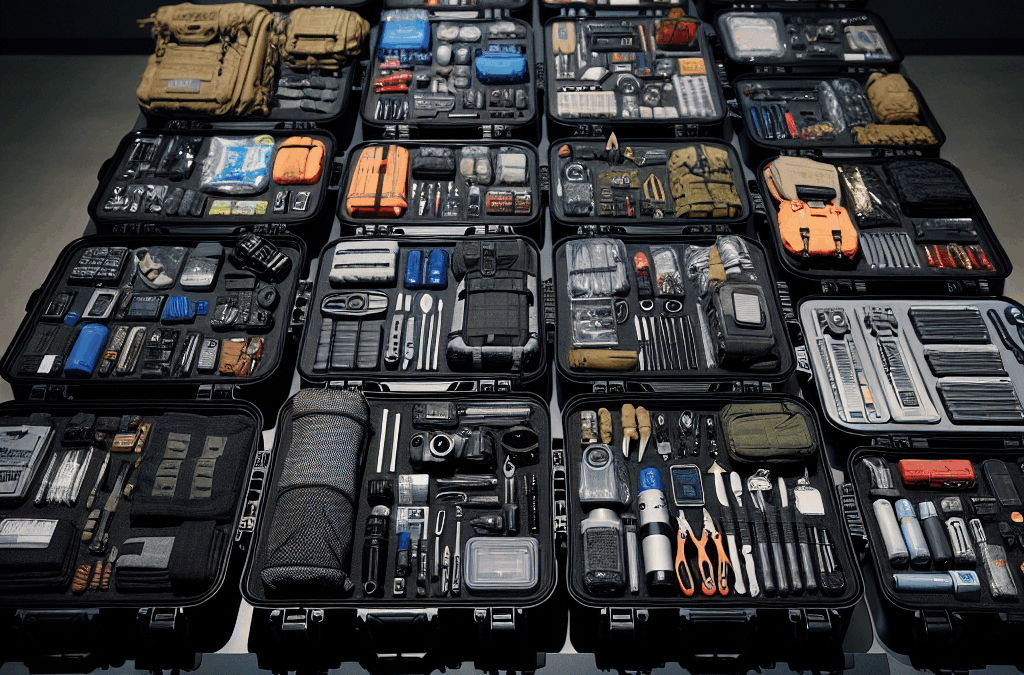
A basic prepper list for a one-week disruption should cover drinking water, shelf-stable food, medications, lighting, communication, sanitation, and a safe way to prepare meals without relying on normal utilities. Store water first, then add familiar foods that require little cooking, a manual can opener, battery or rechargeable lights, backup power for phones, hygiene supplies, and cash for limited local purchases. Account for infants, older adults, pets, allergies, and prescription schedules rather than building a generic box. The common mistake is buying equipment without testing it; use a short household drill to confirm that your stove, filters, batteries, food, and waste plan work together safely.
Set the One-Week Baseline
A one-week disruption may involve a power outage, a temporary water-service interruption, severe weather, a fuel shortage, or restricted travel. Those situations do not create identical problems, so the useful starting point is not a shopping list alone. Identify which services your household needs every day and what fails when electricity, refrigeration, card payments, or tap water are unavailable.
Count people, pets, and any visitor who may reasonably shelter with you. Record prescription medicines, mobility equipment, infant supplies, dietary restrictions, and work or school requirements. A person who depends on a powered medical device has a different priority order from someone preparing only for a brief winter outage. Similarly, a household with a gas range may still be unable to cook if the ignition or ventilation system depends on electricity.
Use three priority levels. First, cover life and health: water, essential medication, food, temperature control, and medically necessary power. Second, preserve basic function with lighting, sanitation, communication, and cooking. Third, add convenience items such as comfort foods, extra batteries, or entertainment. This approach prevents a common failure mode: spending on specialized gear while lacking enough drinking water or a reliable way to open canned food.
- People and animals: Include age, health, mobility, allergies, and pet needs.
- Utilities: Note dependence on electricity, water, natural gas, internet, and refrigeration.
- Access: Decide whether you can leave for supplies, use a vehicle, or rely on nearby support.
- Storage: Keep supplies cool, dry, accessible, and distributed if one room may become unsafe.
A useful reference point is your normal seven-day consumption. Look at how much water, coffee, baby formula, pet food, medication, and toilet paper you actually use. That record is more reliable than an arbitrary container size. The Basic prepper list for a one-week disruption should reflect your home rather than an imagined average household.

Build Food and Water Reserves
Water deserves first position because people can often simplify meals, but they cannot safely replace drinking water with soft drinks, alcohol, or untreated outdoor water. Store commercially packaged water or clean, food-grade containers, and protect them from heat, sunlight, chemicals, and freezing conditions that may damage containers. Include water for drinking, medication, limited food preparation, and essential hygiene; the actual amount depends on household size, climate, health needs, and whether municipal service remains available.
Food should match your cooking limits and eating habits. Choose shelf-stable items that can be eaten cold or prepared with a small amount of water: canned beans, fish, meat, vegetables, fruit, peanut or seed butter, crackers, oats, rice, pasta, shelf-stable milk, and ready-to-eat meals. Add calories and protein rather than filling shelves with only snack foods. A family that dislikes canned beans may technically own food but still have a poor reserve if nobody will eat it.
Refrigeration changes the decision. During a power outage, keep the refrigerator and freezer closed as much as possible, and do not taste food to judge whether it remains safe. Perishable food should not be allowed to become a week-long assumption. Build meals around shelf-stable items and treat refrigerated food as an early-use option when conditions allow.
Cooking requirements create another tradeoff. No-cook food is simple and reduces fuel demand, while hot meals may improve morale and make some foods easier to consume. If you use a camping stove, outdoor burner, or other fuel appliance, follow its instructions and use it only where the manufacturer permits. Carbon monoxide can accumulate rapidly indoors, even when a door or window is open. Keep a manual can opener, utensils, cups, a pot if appropriate, and a way to dispose of food scraps.
Rotate by placing newer goods behind older ones and label opened packages. Test one planned meal before an outage. If it needs more water than expected, produces excessive waste, or depends on a tool you cannot find, revise it. For a tailored approach, connect this food-and-water section with the one-week disruption supply list after you inventory your pantry.
Cover Power, Information, and Cooking
Backup power should be assigned to specific jobs rather than treated as a general solution. Lighting, phone charging, refrigeration, internet equipment, and medical devices have different energy demands. A small power bank may handle several phone charges but will not necessarily run a refrigerator or heating appliance. Write down the wattage or charging method for important devices and match equipment to that need.
Keep multiple lighting options: headlamps for hands-free work, lanterns for shared rooms, and a flashlight for moving outside. Store spare batteries in their original packaging or use rechargeable cells with a compatible charger. Candles may provide light but introduce fire risk, especially around children, pets, bedding, and oxygen equipment. Place lights where they can be found in darkness, not in a sealed container at the back of a closet.
Communication planning is more than owning a radio. Keep phones charged, store an external battery, and write down important numbers and addresses because contact lists may be inaccessible. A battery or hand-crank radio can provide local information when internet service fails, but reception varies by location. Agree on a check-in method with relatives and identify an out-of-area contact if local networks are congested. Do not assume every alert will arrive through one channel.
Cooking equipment should be selected for the disruption you are preparing to manage. A propane appliance may be useful during an outdoor cooking scenario, while an insulated food container or thermos can reduce fuel use for hot water. Never improvise fuel systems or use charcoal, generators, or outdoor heating appliances inside a home, garage, basement, or enclosed porch. Store fuel according to the product instructions and local requirements, away from ignition sources.
A practical test is a two-hour evening without normal lighting, internet, and kitchen appliances. Prepare a simple meal, charge one phone, receive local information, and move safely through the home. If the test reveals tangled cables, dead batteries, poor radio reception, or an unsafe cooking location, those are solvable problems discovered before the disruption rather than during it.
Handle Health, Sanitation, and Household Needs
Health supplies should begin with continuity of normal care. Maintain an organized supply of prescribed medicines according to the prescribing instructions and pharmacy guidance, and keep a current list of medications, doses, allergies, and healthcare contacts. Add ordinary first-aid items such as adhesive bandages, gauze, antiseptic supplies, disposable gloves, and a thermometer. A first-aid kit does not replace professional care for serious bleeding, breathing difficulty, chest pain, severe burns, or other urgent conditions.
Sanitation becomes a practical health issue when water service, toilets, garbage collection, or laundry are disrupted. Store toilet paper, soap, hand sanitizer, menstrual products, diapers, wipes, toothbrushes, toothpaste, heavy-duty bags, and cleaning supplies. Think through where waste will go and how it will be separated from food preparation areas. A household that stores plenty of food but lacks a way to manage used hygiene materials may create odors, pests, and contamination concerns within days.
Personal protection should fit the hazard rather than reflect a desire for more equipment. Work gloves can protect hands during cleanup, sturdy shoes reduce injury from broken glass, and eye protection may be useful for dusty or debris-filled tasks. Masks should be chosen for the specific exposure and used according to their instructions; a casual face covering is not a universal substitute for ventilation or hazard avoidance.
Consider temperature and accessibility. Blankets, warm layers, shade materials, fans, and extra drinking water may matter more than gadgets when indoor conditions become uncomfortable. Keep mobility aids, spare glasses, hearing-aid batteries, and pet leashes accessible. For pets, include food, water, medications, waste bags, a carrier or restraint, and vaccination or identification information if evacuation becomes necessary.
One misleading assumption is that a week at home means no need for cash or transportation. Electronic payment systems, fuel stations, elevators, and public transit may be unavailable. Keep a modest amount of small-denomination cash, maintain a reasonable fuel level when possible, and know two routes to a pharmacy, shelter, or trusted contact. These measures do not guarantee access, but they reduce dependence on a single failed service.
Test and Maintain the Supplies
Preparation works when supplies are usable under stress, not when they merely appear on a spreadsheet. Group items by task: water, meals, lighting and charging, health, sanitation, information, and evacuation. Store the most frequently needed pieces together, but avoid creating one heavy container that no one can move. A written inventory should show quantities, expiration dates, battery types, fuel locations, and the person responsible for checking each category.
Run a household exercise that lasts long enough to expose friction. Turn off nonessential lights, prepare food without the usual appliances, use the sanitation supplies, and practice contacting your designated person. Check whether children can find their lights, whether an older adult can open packages, and whether a pet becomes distressed by the equipment. The result should be a short list of corrections, not a performance test.
Maintenance is mostly routine. Replace expired or damaged goods, rotate food into ordinary meals, recharge power banks after use, inspect batteries for leakage, and review medication needs with appropriate healthcare or pharmacy support. Confirm that water containers remain intact and that fuel has not been stored in a way that creates a hazard. Seasonal changes may require different clothing, cooling supplies, or food choices.
Use the same review to distinguish a real gap from an attractive extra. If you cannot safely cook indoors, buying more cooking fuel does not solve the problem; favor no-cook meals or an approved outdoor setup. If charging is the weak point, another flashlight may not help as much as a compatible power bank and a charging plan. If storage space is limited, prioritize dense, familiar foods and multi-use hygiene items rather than duplicating specialized tools.
Recheck the list after any outage, illness, move, new pet, medication change, or household membership change. A one-week reserve is not a fixed package. It is a working arrangement that should become easier to use each time you test it.
Frequently Asked Questions
How much water should one person store for a week?
Use a recognized household baseline for drinking and sanitation, then adjust for heat, medical needs, pets, and cooking. Store more if you cannot count on prompt water restoration.
What foods work best during a one-week disruption?
Choose familiar shelf-stable foods with protein and calories, such as canned beans, fish, vegetables, fruit, nut butter, crackers, oats, and ready-to-eat meals. Include foods that need little or no cooking.
Should a generator be part of a basic prepper list?
Only if you can operate, fuel, and maintain it safely. Generators must remain outdoors and away from doors, windows, and vents because exhaust can cause carbon monoxide poisoning.
How can I prepare if I have limited storage space?
Prioritize water, medication continuity, compact calorie-dense foods, lighting, charging, sanitation, and a manual can opener. Rotate supplies through normal household use instead of storing duplicates.
How often should one-week supplies be checked?
Review them at least seasonally and after every use, household change, medication change, or move. Recharge batteries, replace damaged goods, and rotate food before quality declines.
Further Reading
Authoritative Sources
- Build a Kit
ready.govOffers federal guidance on assembling basic supplies for household disruptions and adapting them to individual needs
- Keep Food Safe After a Disaster or Emergency
cdc.govExplains practical food-safety decisions when refrigeration or utilities are interrupted
- Food Safety During Power Outages
fda.govProvides official advice for handling refrigerated and frozen food after a loss of power
Conclusion
A dependable one-week reserve is built around ordinary needs under unusual conditions. Put water, essential medicines, safe food, sanitation, and lighting ahead of specialized equipment. Then add charging, communication, cooking, cash, pet supplies, and seasonal comfort according to the services your home depends on.
Test the arrangement before an outage by preparing a meal, finding supplies in the dark, charging a phone, and handling waste without normal utilities. That exercise will expose missing adapters, unsuitable foods, unsafe fuel ideas, and inaccessible storage. Rotate what you store, update quantities when your household changes, and keep the most critical items ready to reach. The strongest list is not the longest one; it is the one your household can use safely for seven difficult days.
Related Content
- The Benefits of Positive Preparedness Training
- Why Financial Planning Is Crucial for Preppers: Strategies for Effective Resource Management
- Can I focus on preparedness without giving up comfort?
- How to Balance Prepping With Daily Life: Practical Steps and Priorities
- How to Ensure Your Prepper Network Is Reliable: Key Traits and Evaluation Methods