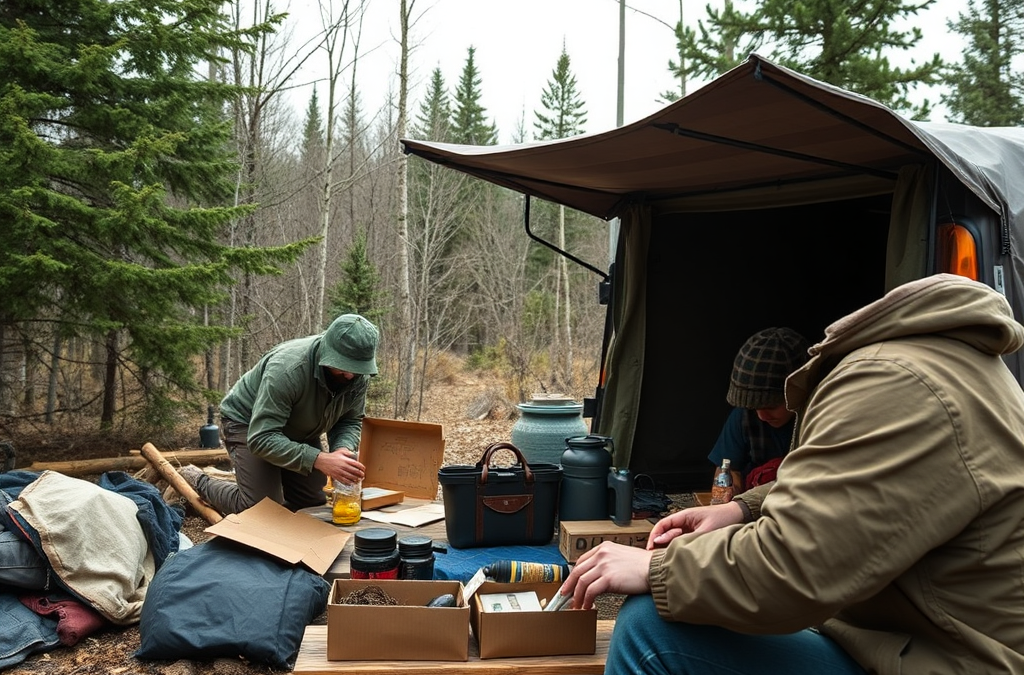
To ensure your prepper network is reliable, focus on fostering trust and clear communication among members. Regular meetings are essential for assessing preparedness and sharing individual skills, which strengthens the group’s overall capability. Encourage open discussions to identify gaps in resources or knowledge, as this transparency builds resilience. Additionally, conducting training exercises can enhance teamwork and ensure everyone is equipped to respond effectively during emergencies. Recognizing each member's unique contributions will also promote a sense of belonging and commitment to the network's goals.
Key Traits of a Reliable Prepper Network
A reliable prepper network is characterized by certain essential traits that facilitate effective collaboration during emergencies. Key traits include clear communication, trustworthiness, shared values, and complementary skills among members. Each member should possess unique abilities or resources that contribute to the overall strength of the network. For instance, one member might be skilled in medical training while another has expertise in food preservation. This diversity ensures that the network can address a range of situations effectively.
Moreover, it’s critical to establish a culture of openness where members feel comfortable discussing their concerns and sharing ideas. This leads to a more resilient network capable of adapting to various challenges. A common mistake is to overlook the importance of individual contributions; recognizing and valuing each member’s skills fosters a sense of belonging and commitment to the group.
Evaluating Communication Within Your Network
Effective communication is the backbone of any reliable prepper network. To evaluate communication, start by assessing how information is shared among members. Are there regular meetings or updates? Is there a designated communication channel, such as a group chat or forum, where members can easily share information? Establishing a clear communication protocol ensures that everyone is on the same page during emergencies.
For example, in a crisis, rapid dissemination of information can be crucial. If a member discovers a local threat, they should be able to communicate this quickly to others. Regular check-ins can help identify any communication breakdowns, allowing the group to address these issues before they lead to significant problems. Failing to prioritize effective communication can lead to misunderstandings and hinder the network’s response capabilities.

Building Trust and Accountability
Trust and accountability are fundamental components of a reliable prepper network. Members must feel confident that others will fulfill their commitments, whether it’s providing supplies or participating in training exercises. Building trust takes time and is often fostered through shared experiences. Organizing group activities, such as community volunteering or joint training sessions, can enhance trust among members.
Accountability can be reinforced by setting clear expectations and responsibilities for each member. Regularly reviewing these commitments during meetings helps ensure that everyone is aware of their roles and can hold each other accountable. A common pitfall is assuming that trust will develop organically; it requires intentional efforts to cultivate a trustworthy environment.
Conducting Regular Training and Drills
Regular training and drills are essential to ensure that your prepper network is prepared for emergencies. These exercises should simulate real-life scenarios that the group might face, such as natural disasters or medical emergencies. By practicing together, members become familiar with each other’s skills and improve their ability to work as a cohesive unit.
Additionally, training sessions can highlight areas where the group may need further development or resources. For instance, if a drill reveals that no one knows how to operate a specific piece of equipment, the group can prioritize training on that topic. Failing to conduct regular drills can lead to complacency and a lack of preparedness when actual emergencies arise.
For those interested in expanding their knowledge on building reliable prepper networks, consider exploring resources from local emergency management agencies or community preparedness organizations. These resources often provide valuable insights into effective networking strategies and training opportunities.
Frequently Asked Questions
What should I look for in a prepper network?
Look for clear communication, trustworthiness, shared goals, and diverse skills among members.
How often should a prepper network meet?
Regular meetings, ideally monthly, help maintain engagement and assess preparedness levels.
What types of training should be conducted?
Focus on emergency response drills, first aid training, and skills relevant to your network's needs.
How can I build trust within my prepper network?
Engage in shared activities, establish clear expectations, and communicate openly to foster trust.
What is the most common mistake in prepper networks?
Neglecting communication and accountability can lead to misunderstandings and decreased preparedness.
Further Reading
Authoritative Sources
- Library of Congress Research Guides
guides.loc.govResearch guides that help readers locate reliable background sources on a wide range of subjects
- USA.gov Official Information and Services
usa.govOfficial U.S. government information and public resources for practical reference
- Google Scholar
scholar.google.comAcademic search resource for finding research literature and source material
Conclusion
Building a reliable prepper network requires intentional efforts to foster communication, trust, and skills training. Prioritizing regular meetings and drills ensures that all members are engaged and prepared for possible emergencies. By focusing on these aspects, you can create a resilient network that is capable of responding effectively and efficiently when it matters most.
Related Content
- How to Deal With Information Overload in Prepping: Essential Steps for Clarity and Focus
- Emergency Preparedness: What You Need to Know Now
- Best Items to Keep in Your Emergency Vehicle
- Store Water in the Event of a Pandemic
- The Consequences of Inadequate Training for Disaster Response: Risks, Mistakes, and Real-World Impacts




