
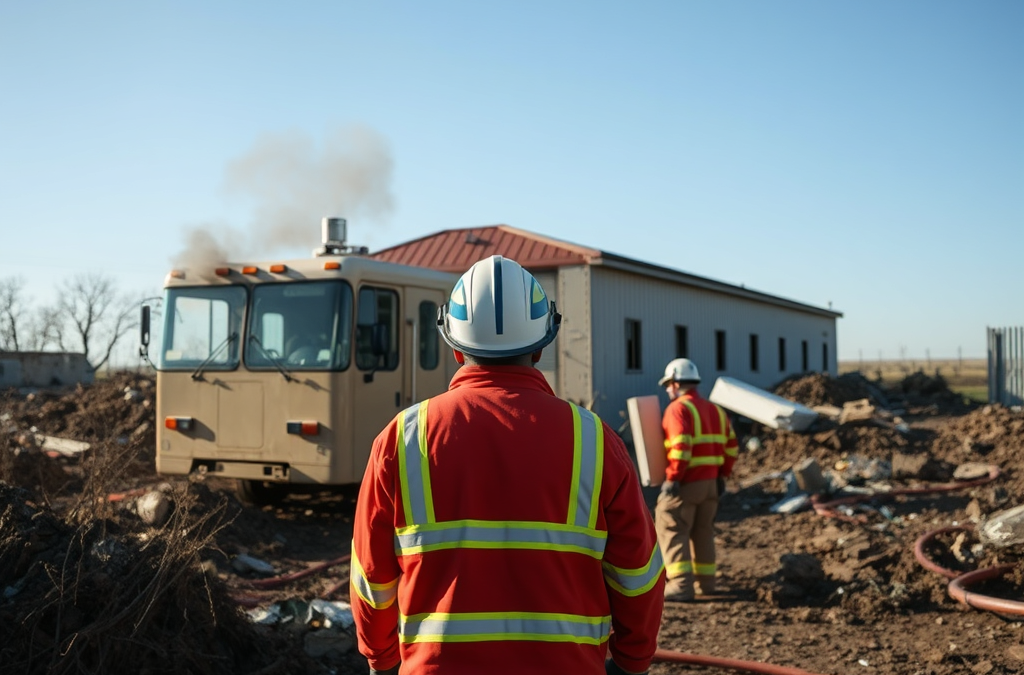
Inadequate training for disaster response can lead to catastrophic outcomes, including increased loss of life and prolonged recovery efforts. Responders unprepared for real-life emergencies may struggle with critical decision-making, miscommunication, and failure to follow safety protocols, which can worsen chaotic situations. For instance, without realistic scenario training, responders might not effectively manage the stress and unpredictability of actual disasters. To mitigate these risks, training programs should emphasize practical exercises and psychological preparedness, ensuring that responders are equipped to handle both the technical and emotional challenges they will face in the field.
Understanding the Importance of Training
Proper training is crucial for effective disaster response because it equips responders with the necessary skills and knowledge to act decisively under pressure. Training provides a framework for understanding the complexities of emergency situations, enabling responders to prioritize tasks and make informed decisions quickly. Inadequate training can lead to confusion and mistakes, which can have dire consequences during a disaster.
For instance, responders without adequate training may not recognize the signs of a hazardous environment, leading to dangerous situations for themselves and victims. Additionally, understanding protocols for communication and coordination can significantly impact the efficiency of response efforts. Training ensures that all team members are on the same page, minimizing the risk of miscommunication and ensuring that resources are utilized effectively.
Common Mistakes in Disaster Response Training
One significant mistake in disaster response training is the failure to simulate realistic scenarios. Many training programs focus on theoretical knowledge rather than practical application, which can leave responders unprepared for real-life situations. For example, if training does not include hands-on exercises that mimic the chaotic nature of a disaster, responders may struggle to adapt when faced with actual emergencies.
Another common error is neglecting to address the psychological aspects of disaster response. Training should encompass not only technical skills but also mental preparedness. Responders often face high-stress environments, and without training in stress management and emotional resilience, they may become overwhelmed, leading to poor decision-making and ineffective response.

Real-World Impacts of Inadequate Training
The consequences of inadequate training for disaster response are evident in various real-world scenarios. For example, during Hurricane Katrina, many responders were criticized for their lack of preparedness and coordination, which resulted in delayed assistance and increased suffering for victims. This disaster highlighted how inadequate training can lead to failures in communication, resource management, and overall response effectiveness.
Moreover, the aftermath of inadequate training often includes prolonged recovery periods for affected communities. When responders are ill-equipped to handle emergencies, the recovery phase can be drawn out, leading to higher costs for local governments and communities. Inadequate training can also result in increased casualties, as timely and effective interventions are not executed.
Strategies for Effective Disaster Response Training
To enhance disaster response training, organizations should prioritize realistic simulation exercises that closely mimic potential disaster scenarios. This approach allows responders to practice their skills in a controlled environment, fostering familiarity with procedures and teamwork. Additionally, incorporating psychological training can help responders develop the mental fortitude needed to handle high-stress situations effectively.
Another strategy is to ensure ongoing training and refreshers, as skills can diminish over time without practice. Regular drills and evaluations can help maintain readiness and adaptability in responders. Furthermore, establishing partnerships with local agencies and communities can enhance training efforts by incorporating diverse perspectives and resources.
Frequently Asked Questions
What are the key risks associated with inadequate disaster response training?
Key risks include increased casualties, ineffective resource management, and miscommunication among responders, leading to chaotic situations during emergencies.
How can inadequate training affect community recovery after a disaster?
When responders lack training, recovery efforts can be prolonged, increasing costs for communities and leading to greater suffering for affected individuals.
What are the psychological impacts of disaster response on responders?
Responders may experience stress, anxiety, and burnout due to high-pressure situations, which can affect their performance and decision-making abilities.
Why is simulation important in disaster response training?
Simulation provides responders with hands-on experience in realistic scenarios, allowing them to practice decision-making and teamwork in a controlled environment.
What ongoing strategies can organizations implement for disaster response training?
Organizations can conduct regular drills, provide refresher courses, and collaborate with local agencies to ensure comprehensive and effective training.
Further Reading
Authoritative Sources
- Ready.gov Preparedness Guidance
ready.govFederal preparedness guidance for household planning, alerts, supplies, and emergencies
- American Red Cross Emergency Preparedness
redcross.orgEmergency preparedness resources for families, disasters, and practical safety planning
- FEMA Preparedness Resources
fema.govNational preparedness resources for planning, mitigation, and response readiness
Conclusion
Inadequate training for disaster response leads to severe consequences, including increased casualties and prolonged recovery efforts. To mitigate these risks, organizations must prioritize realistic training simulations, address psychological preparedness, and commit to ongoing education. By adopting effective training strategies, responders can enhance their capabilities and improve outcomes for communities during emergencies.
Related Content
- Readiness for Families: Essential Steps for Effective Emergency Preparedness
- Prepare for the Unexpected: Your Comprehensive Storm Survival Kit Checklist for Maximum Safety
- 4 Critical Tools You Need for Disaster Recovery
- Flood Preparedness Checklist: Essential Steps for Effective Readiness
- How can I build a community of like-minded, self-reliant people?




