
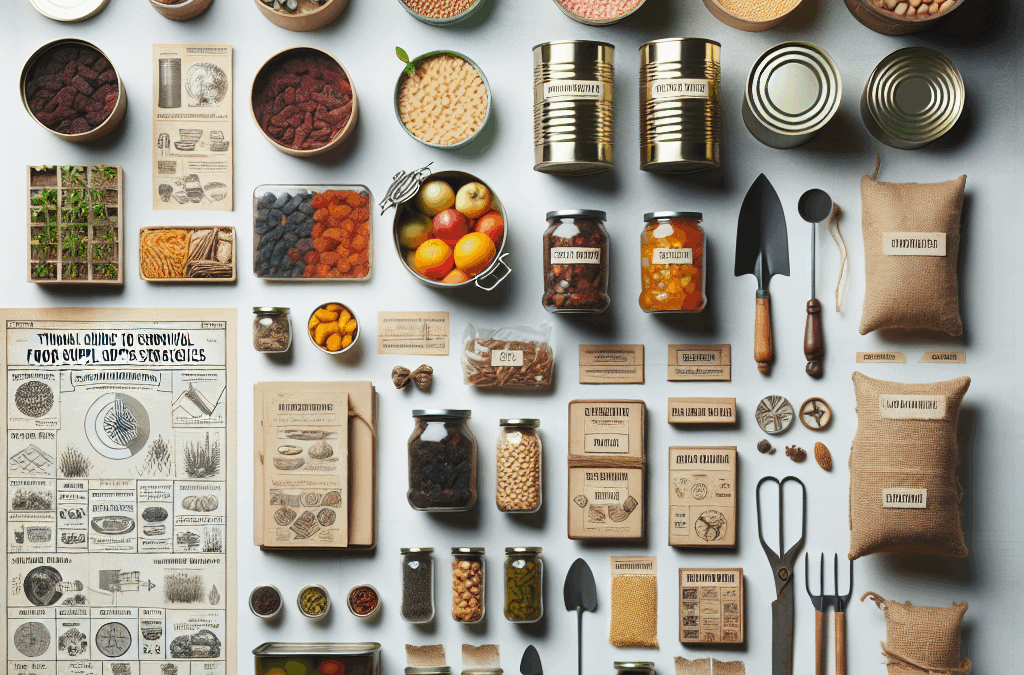
Understanding what constitutes effective personal emergency supplies involves recognizing the potential risks in your area, the types of emergencies you may face, and the unique needs of your household. Prioritizing versatile, long-lasting items that can serve multiple purposes is key. For instance, choosing a multi-tool can save space and provide various functionalities. Avoid common pitfalls such as underestimating the amount of water needed or overlooking essential medications.
Many people mistakenly believe that having a few items stashed away is sufficient. In reality, a comprehensive approach is necessary. Consider factors like the number of people in your household, dietary restrictions, and any special needs. Regularly reviewing and updating your supplies is crucial to ensure they remain effective and relevant.
Key Components of Personal Emergency Supplies
The foundation of personal emergency supplies includes items that can sustain you for at least 72 hours. This typically involves non-perishable food items, a reliable water supply, and basic medical supplies. Canned goods, energy bars, and freeze-dried meals are excellent options for food, while water should be stored in sturdy, BPA-free containers.
When selecting medical supplies, include a first-aid kit, prescription medications, and any necessary medical devices. Prioritizing quality and shelf life is essential; choose items that have a long shelf life and can withstand various conditions. Additionally, consider incorporating items like a whistle, dust mask, and local maps into your kit for enhanced preparedness.
It’s crucial to regularly check the expiration dates on food and medical supplies, replacing them as necessary. Many people overlook the importance of having a variety of food types and flavors to prevent fatigue during an extended emergency situation. Ensure to rotate your supplies every six months.
Assessing Your Specific Needs
Every household has unique requirements when it comes to personal emergency supplies. Factors such as the number of family members, their ages, and specific health needs play a critical role in determining what to include. For instance, families with infants should stock up on baby formula and diapers, while those with elderly members may require additional medications or mobility aids.
Thank you for reading this post, don't forget to subscribe NOW for FREE!

Assessing your local environment can also influence your supply choices. If you live in an area prone to natural disasters like hurricanes or earthquakes, consider adding items that address those specific risks, such as tarps for shelter or sandbags for flooding. Additionally, understanding local emergency services and resources can help in planning your supplies.
One common mistake is failing to account for pets in emergency planning. Ensure to have adequate food, water, and comfort items for your pets as well. This often-overlooked aspect can be crucial for family cohesion during stressful times.
Common Mistakes to Avoid
One of the most significant mistakes people make is underestimating the amount of water needed during an emergency. The general guideline is one gallon of water per person per day for at least three days. However, this does not account for high activity levels, hot weather, or additional needs like cooking and hygiene, which can double the requirement.
Another common error is neglecting to prepare for power outages. Many emergency kits lack essential items like batteries, portable chargers, and a reliable flashlight. Ensure that your kit includes a solar-powered charger or a hand-crank radio to stay informed during outages.
Furthermore, individuals often forget to tailor their supplies to dietary restrictions or specific health conditions. This can lead to unnecessary stress during an emergency. Regularly review and update your emergency kit to reflect any changes in your household’s needs.

Storage and Maintenance Tips
Proper storage of personal emergency supplies is crucial to ensure their effectiveness when needed. Keep your supplies in a cool, dry place, away from direct sunlight and moisture, which can compromise the integrity of food and medical items. Consider using waterproof containers or bins to protect your supplies from potential water damage.
Regular maintenance is equally important. Set reminders to check your supplies every six months, replacing expired items and refreshing food and water stocks. Create an inventory list to track what you have and what needs replacing. This proactive approach can save time and stress during an actual emergency.
Additionally, consider designating a specific area in your home as your emergency supply station. This not only ensures easy access during an emergency but also helps in keeping your supplies organized and up-to-date.
Further Reading
Authoritative Sources
- Ready.gov
ready.govA comprehensive resource for emergency preparedness planning and supplies
- American Red Cross
redcross.orgOffers guidelines and resources for creating effective emergency kits
- Centers for Disease Control and Prevention
cdc.govProvides health-related information relevant to emergency preparedness
Frequently Asked Questions
What should I include in my personal emergency supplies?
Your supplies should include non-perishable food, water, a first-aid kit, medications, and essential tools like flashlights and batteries.
How often should I check my emergency supplies?
It’s recommended to check your supplies every six months to replace expired items and refresh food and water stocks.
How much water should I store for emergencies?
Store at least one gallon of water per person per day for at least three days, adjusting for additional needs as necessary.
Is it necessary to include pet supplies in my emergency kit?
Yes, ensure to include food, water, and comfort items for your pets to keep them safe and comfortable during emergencies.
What is the best way to store emergency supplies?
Store your supplies in a cool, dry place in waterproof containers to protect them from moisture and damage.




