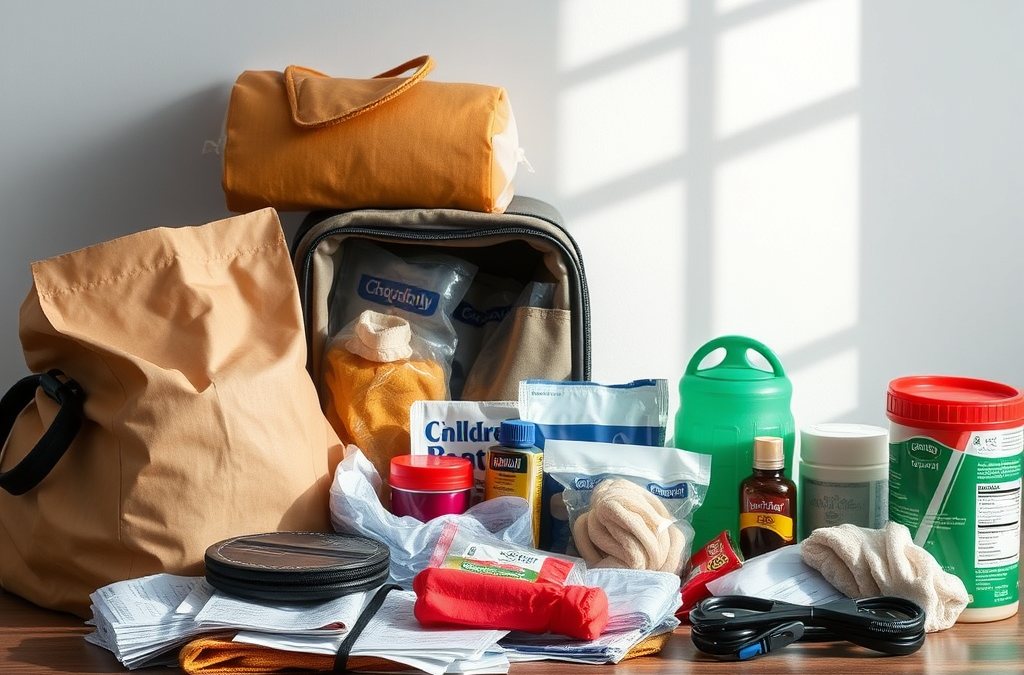
To adapt your emergency kit for special needs, start by identifying the specific requirements of the individual, such as medical supplies, mobility aids, and dietary restrictions. Include extra medications, personal hygiene items, and comfort items to help alleviate stress during emergencies. Regularly check and update the kit to ensure all items are current and functional. Involving the individual in the planning process can help tailor the kit to their preferences and needs, ultimately enhancing their safety and comfort during a crisis.
Understanding Special Needs in Emergencies
Adapting your emergency kit for individuals with special needs requires a thorough understanding of their unique circumstances. Special needs can include physical disabilities, cognitive impairments, medical conditions, or sensory sensitivities. Each individual’s requirements can vary widely, making it essential to tailor the emergency kit accordingly. For instance, a person with diabetes will need specific medical supplies and snacks, while someone with mobility challenges may require mobility aids.
Recognizing these differences is crucial when planning for emergencies. Many people overlook the importance of considering individual needs, leading to inadequate preparation. A well-thought-out kit not only ensures safety but also provides peace of mind during stressful situations. It is beneficial to involve the individual in the planning process to identify their specific needs and preferences.
Key Supplies for Special Needs Emergency Kits
Essential supplies for special needs emergency kits should be prioritized based on the individual’s specific requirements. Start with medical supplies, which may include extra medications, insulin, syringes, or any necessary medical devices. Be sure to check expiration dates regularly and replace items as needed.
Additionally, think about personal hygiene items such as adult diapers, sanitary products, and wipes, which can be crucial during extended emergencies. Consider including comfort items, like favorite toys or blankets, to help reduce anxiety during crises. It’s also wise to pack non-perishable food items that meet dietary restrictions, such as gluten-free snacks or low-sugar options.

Communication Strategies During Emergencies
Effective communication is vital during emergencies, especially for individuals with cognitive impairments or those who may struggle with verbal communication. Incorporating communication tools into your emergency kit can significantly enhance safety and understanding. For example, visual aids, such as picture cards or communication boards, can help convey essential information quickly.
Moreover, consider including a portable device loaded with important contacts and basic emergency instructions. This can be particularly beneficial for individuals who may forget essential details during stressful situations. Regularly practicing emergency scenarios with the individual can help reinforce their understanding and response during real emergencies.
Regular Maintenance and Updates of Your Kit
Your emergency kit should not be a static collection of items. Regular maintenance is key to ensuring that the kit remains functional and relevant. Schedule routine checks every few months to assess the contents of the kit, replacing expired items and adding new supplies as needed. This is particularly important as personal circumstances may change over time, requiring updates to the kit.
Involve the individual in the maintenance process to foster a sense of ownership and responsibility. Discuss any changes in their needs and make adjustments to the kit accordingly. Keeping an updated list of contents and checking it against the physical items can help ensure nothing is overlooked.
Frequently Asked Questions
What should I include in an emergency kit for someone with mobility issues?
Include mobility aids like wheelchairs or walkers, as well as any necessary medications, personal hygiene items, and comfort items to make the individual feel secure.
How often should I update the emergency kit?
It's recommended to review and update the emergency kit every three to six months to ensure all items are current and reflect any changes in individual needs.
Are there specific foods I should include in the kit?
Include non-perishable foods that meet dietary restrictions, such as gluten-free snacks, protein bars, or low-sugar options, depending on the individual's needs.
What communication tools are best for emergencies?
Visual aids like picture cards, communication boards, or portable devices with contact information can help convey important messages quickly and effectively.
How can I involve the individual in the planning process?
Engage them in discussions about their needs and preferences, and practice emergency scenarios together to ensure they feel prepared and informed.
Further Reading
Authoritative Sources
- Ready.gov Preparedness Guidance
ready.govFederal preparedness guidance for household planning, alerts, supplies, and emergencies
- American Red Cross Emergency Preparedness
redcross.orgEmergency preparedness resources for families, disasters, and practical safety planning
- FEMA Preparedness Resources
fema.govNational preparedness resources for planning, mitigation, and response readiness
Conclusion
Adapting your emergency kit for individuals with special needs is a crucial step in ensuring their safety and comfort during crises. By understanding specific needs, prioritizing essential supplies, and incorporating effective communication strategies, you can create a comprehensive kit. Regular maintenance and updates will keep the kit functional and relevant, helping to mitigate risks and enhance preparedness. Take proactive steps today to ensure that your emergency kit meets the unique requirements of those you care for.
Related Content
- Preparedness During Crisis: Essential Steps for Effective Response Strategies
- Emergency Survival Plan: Essential Supplies and Action Steps
- Exactly how to Begin Setting Up Your Emergency Food Storage
- Communication Relays That Work When Cellular Networks Fail (Radio, Mesh, and Satellite Options)
- Buy High Quality Survival Kits To Brave Emergencies