
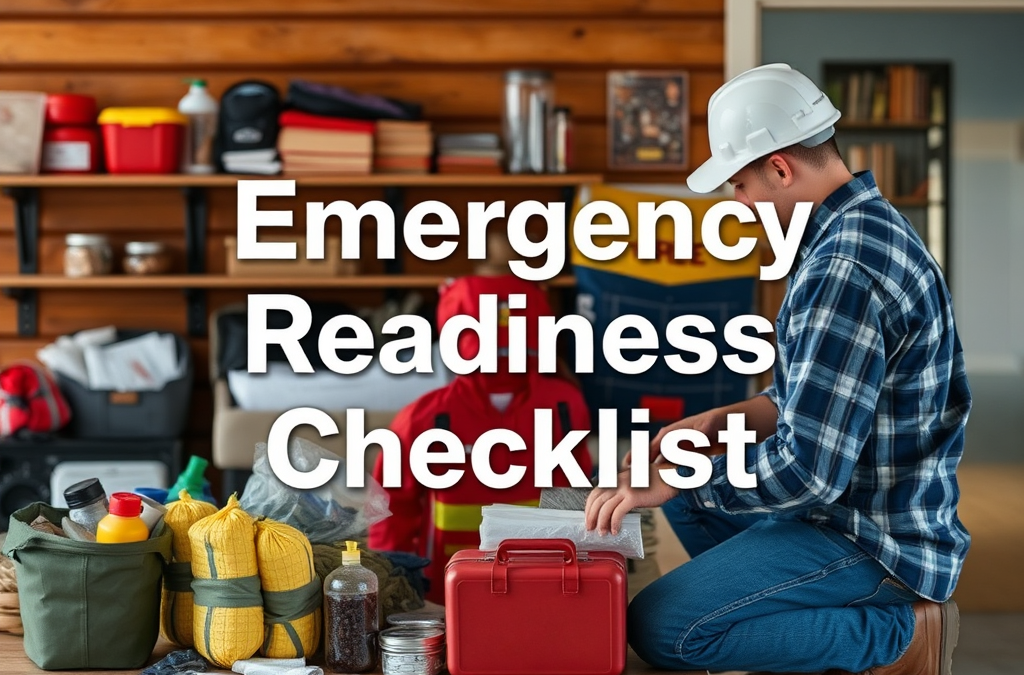
An emergency readiness checklist is essential for ensuring preparedness during unexpected situations. It should include vital supplies such as at least one gallon of water per person per day for three days, non-perishable food items, a comprehensive first aid kit, flashlights, and copies of important documents. Regularly updating this checklist is crucial, as it helps you adapt to changing needs and ensures that you are equipped to handle various emergencies effectively. Many individuals overlook the importance of practicing their emergency plans, which can lead to confusion and delays in critical moments. By familiarizing yourself and your family with the checklist, you can enhance your response capabilities and increase your chances of safety during a crisis.
Understanding the Importance of an Emergency Readiness Checklist
An emergency readiness checklist is vital for personal safety during crises, whether natural disasters, medical emergencies, or other unforeseen situations. By having a structured plan, individuals can minimize panic and ensure they have the necessary resources to respond effectively. This checklist serves as a proactive measure, helping families and individuals to stay organized and informed.
Many people underestimate the likelihood of emergencies, leading to inadequate preparation. The reality is that disasters can happen at any time, and having a checklist can make a significant difference in how well one can cope. Properly equipped individuals can save time, reduce stress, and increase their chances of safety and survival.
Essential Supplies to Include
When compiling an emergency readiness checklist, it is crucial to include essential supplies that cater to various emergencies. These supplies should be practical, accessible, and tailored to the specific needs of your household.
Key items to consider include:

- Water: At least one gallon per person per day for at least three days.
- Food: Non-perishable items like canned goods, granola bars, and dried fruits, sufficient for three days.
- First Aid Kit: A well-stocked kit with bandages, antiseptics, medications, and personal prescriptions.
- Flashlights and Batteries: To provide light during power outages.
- Multi-tool or Swiss Army Knife: Useful for a variety of tasks.
- Important Documents: Copies of identification, insurance policies, and emergency contacts.
These supplies should be stored in a safe, accessible location and checked regularly to ensure they remain usable and within expiration dates. It’s also important to customize your list based on personal needs, such as including baby formula if you have young children or pet supplies for animals.
Steps to Creating Your Checklist
Creating an effective emergency readiness checklist involves several practical steps. Start by evaluating your household’s specific needs and the types of emergencies you might face based on your location.
1. Assess Risks: Identify potential emergencies in your area, such as floods, earthquakes, or wildfires.
2. Gather Supplies: Based on the risks identified, compile a list of essential items tailored to your family’s needs.
3. Create a Plan: Outline how your family will communicate and where to meet if separated during an emergency.
4. Review and Practice: Regularly go over your checklist with family members and conduct practice drills to ensure everyone knows what to do and where to find supplies.
5. Update Regularly: As your family dynamics change or new products become available, revisit your checklist to make necessary adjustments.
These steps help ensure that your emergency readiness checklist is comprehensive and practical, leading to better preparedness.
Common Mistakes to Avoid
While preparing an emergency readiness checklist, several common mistakes can hinder effectiveness. Awareness of these pitfalls can help you create a more robust plan.
One frequent error is failing to customize the checklist for individual needs. Generic lists may overlook specific requirements such as medications or dietary restrictions. Another mistake is neglecting to regularly check and update supplies, leading to expired items in the kit.
Additionally, many individuals underestimate the importance of practicing the plan. Simply having a checklist is not enough; family members should be familiar with the contents and procedures to follow during an emergency.
Finally, not considering the emotional aspect of emergencies can be a significant oversight. Preparing mentally for various scenarios can help alleviate panic and confusion when a crisis occurs.
Frequently Asked Questions
What should I include in my emergency readiness checklist?
Your checklist should include water, food, first aid supplies, flashlights, batteries, and important documents.
How often should I update my emergency readiness checklist?
It's recommended to review and update your emergency checklist at least twice a year or whenever there are significant life changes.
Where should I store my emergency supplies?
Store your emergency supplies in a cool, dry place that is easily accessible to all family members.
How can I ensure my family knows the emergency plan?
Conduct regular drills and discussions about the emergency plan to ensure everyone understands their roles and responsibilities.
What is the most common mistake people make when preparing for emergencies?
Many people fail to customize their emergency checklist to their specific needs, which can lead to inadequate preparation.
Further Reading
Authoritative Sources
- Ready.gov Preparedness Guidance
ready.govFederal preparedness guidance for household planning, alerts, supplies, and emergencies
- American Red Cross Emergency Preparedness
redcross.orgEmergency preparedness resources for families, disasters, and practical safety planning
- FEMA Preparedness Resources
fema.govNational preparedness resources for planning, mitigation, and response readiness
Conclusion
Implementing an emergency readiness checklist is a proactive step toward ensuring safety during unforeseen events. By including essential supplies, regularly updating your list, and practicing your plan, you can significantly enhance your preparedness. Prioritize understanding your specific risks and customizing your checklist accordingly, as this tailored approach will provide the best chance of effectively responding to emergencies.
Related Content
- Why Text Messages May Work After Voice Calls Fail: Causes, Timing, and Reliable Next Steps
- Your Business Culture Does It Consist Of Emergency Readiness
- Readiness for Families: Essential Steps for Effective Emergency Preparedness
- Basic Readiness Guide: Essential Steps for Effective Personal Preparedness
- Why Your Bug-Out Plan Might Fail: Common Pitfalls and Practical Solutions




