Understanding your specific risks is crucial in developing a practical readiness plan. Different regions face varied threats, such as natural disasters, civil disturbances, or health emergencies. By identifying the most likely scenarios, individuals can tailor their preparedness efforts accordingly. For instance, those living in hurricane-prone areas should focus on evacuation plans and flood supplies, while those in urban environments might prioritize shelter-in-place strategies.
A common mistake is underestimating the importance of a communication plan. In emergencies, traditional communication methods may fail. Having a designated meeting point, alternative communication methods, and a list of important contacts can significantly enhance safety. Additionally, regularly reviewing and practicing these plans helps ensure that everyone is familiar with procedures, reducing anxiety and confusion during real events.
Assessing Personal Risks
Assessing personal risks is the first step in any basic readiness guide. This involves evaluating potential threats based on location, lifestyle, and personal circumstances. For example, individuals in areas prone to earthquakes should consider structural integrity of their homes, while those in flood zones need to evaluate nearby water sources.
To effectively assess risks, individuals can utilize local government resources, hazard maps, and community feedback. This proactive approach allows for a comprehensive understanding of potential emergencies, enabling better planning. Remember that risks can change over time, so it is essential to revisit and update your assessments regularly.
Many underestimate the impact of seemingly minor risks, such as power outages or local civil unrest. These situations can escalate quickly and require readiness just as much as major disasters. Prioritizing a diverse range of potential scenarios ensures a well-rounded approach to preparedness.
Creating Your Emergency Plan
Creating an emergency plan is a critical component of any basic readiness guide. This plan should detail how to respond to various emergencies, including evacuation routes, shelter locations, and procedures for contacting family members. Each family member should be aware of their roles and responsibilities during an emergency.
Thank you for reading this post, don't forget to subscribe NOW for FREE!

When crafting your plan, consider factors such as transportation options, accessibility for elderly or disabled individuals, and pets. Regularly practicing the plan through drills can help ensure everyone knows what to do when the time comes. This preparation can significantly reduce panic and confusion during actual emergencies.
One common oversight is failing to plan for multiple scenarios. Ensure your plan includes contingencies for different types of emergencies, such as natural disasters versus technological failures. This comprehensive approach will enhance your overall readiness and confidence in facing unexpected situations.
Assembling Your Preparedness Kit
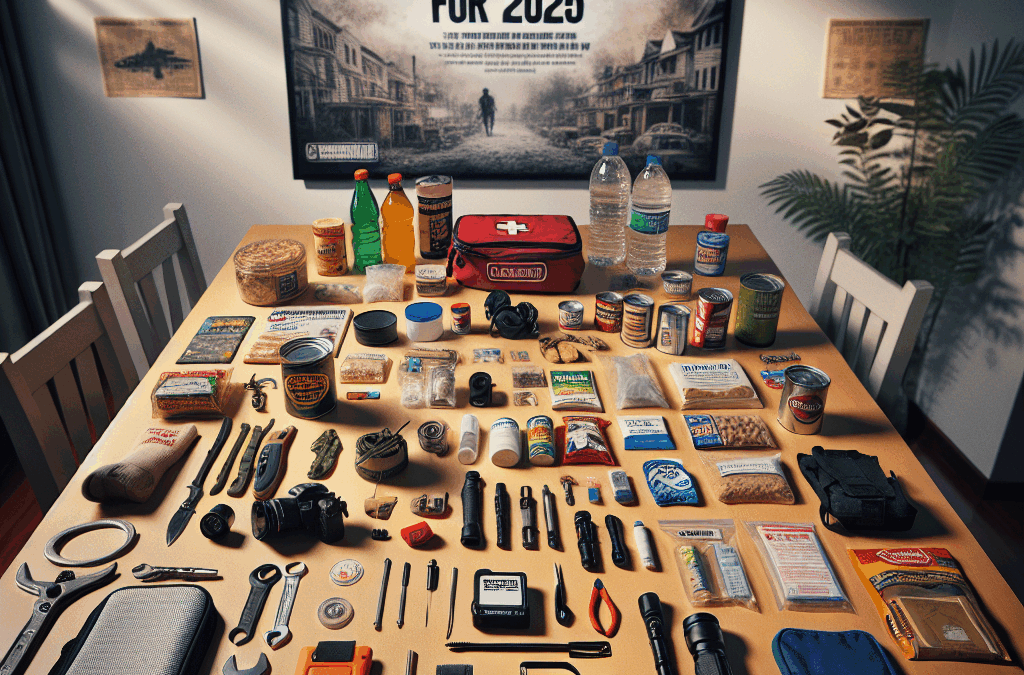
Assembling a preparedness kit is essential for executing your basic readiness guide effectively. A well-stocked kit should include food, water, first aid supplies, clothing, and tools that can sustain you for at least 72 hours. The contents should be tailored to your family’s specific needs, including medications and special items for infants or pets.
Regularly check and update your kit to ensure that food is not expired and supplies are intact. It is also beneficial to include items that can assist in potential scenarios, such as a flashlight, batteries, and a multi-tool. Being proactive in maintaining your kit can save valuable time during emergencies.
Many people overlook the importance of personal comfort items, such as books or games, which can help alleviate stress during prolonged emergencies. Prioritizing both essential and comfort items will lead to a more effective preparedness strategy.
Effective Communication Strategies
Effective communication strategies are crucial in any basic readiness guide. In times of crisis, reliable communication can be the difference between safety and confusion. Establishing a plan that includes family communication methods, emergency contacts, and local resources is vital.
Consider utilizing multiple forms of communication, such as text messages, social media, and even ham radios, to ensure messages can be sent and received even if traditional networks are down. Designating an out-of-area contact can also help families stay connected amid chaos.
Regularly reviewing and practicing these communication strategies is essential. Many families neglect to do this, leading to confusion during emergencies. By ensuring everyone is familiar with the plan, you can significantly enhance your overall preparedness.
Further Reading
Authoritative Sources
- Ready.gov
ready.govA comprehensive resource for emergency preparedness planning and resources
- American Red Cross: Emergency Preparedness
redcross.orgOffers detailed guidance on creating emergency plans and assembling preparedness kits
Frequently Asked Questions
What should I include in my emergency preparedness kit?
Your kit should include water, non-perishable food, a first aid kit, clothing, tools, and any necessary medications.
How often should I review my emergency plan?
It is recommended to review your emergency plan at least once a year or whenever there are changes in your family or living situation.
What are common mistakes when preparing for emergencies?
Common mistakes include underestimating risks, neglecting to practice plans, and not keeping supplies updated.
How can I ensure my family stays connected during a disaster?
Establish a communication plan that includes an out-of-area contact and multiple communication methods.
Why is having a personal risk assessment important?
A personal risk assessment helps tailor your preparedness efforts to the specific threats you may face in your area.
Conclusion
In conclusion, a basic readiness guide is essential for ensuring personal safety and resilience in emergencies. By assessing risks, creating an emergency plan, assembling a preparedness kit, and establishing effective communication strategies, individuals can significantly enhance their preparedness. Prioritizing these components will help navigate through crises more confidently and efficiently. Regularly revisiting and practicing these strategies will further solidify your readiness, allowing you to respond effectively when it matters most.
Related Content
- Building Your Own Emergency Cooking Station
- Post-Outage Inspection Before Restoring Household Appliances: A Safe Restart Sequence
- Top 10 Must-Have Supplies for Your Emergency Go-Bag
- Budget-Friendly Preparedness: Saving Money While Staying Safe
- The Ultimate Guide to Building a Self Sufficient Homestead in 2025: Tips & Strategies




