
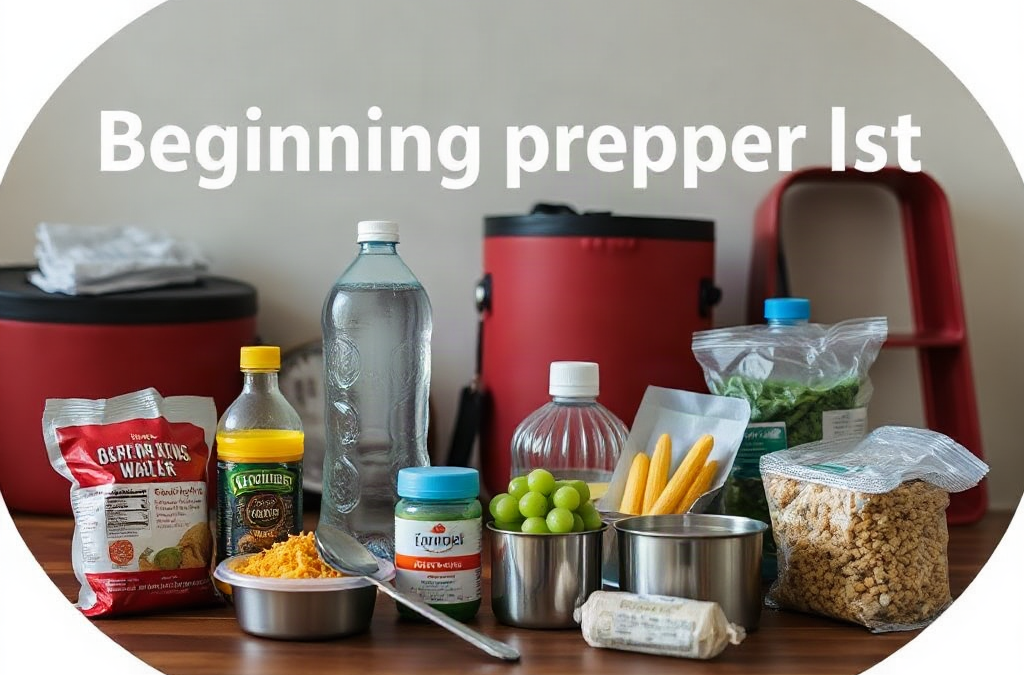
A beginning prepper list by priority and cost should put drinking water, several days of familiar food, basic sanitation, medical supplies, lighting, and a way to receive alerts ahead of expensive equipment. The lowest-cost stage focuses on water containers, shelf-stable groceries, batteries, hygiene items, first-aid basics, and copies of essential documents. The next stage adds cooking without utility service, power banks, a manual can opener, cash, and simple home-repair supplies. Buy advanced gear only after testing storage, rotation, communication, and evacuation needs, because unmaintained equipment creates less value than a modest supply system that works.
Set Priorities Before Spending
A useful beginning prepper list is ranked by the consequences of shortage, not by how impressive an item looks. Water, food, sanitation, medication access, information, and basic safety usually deserve attention before generators, tactical equipment, or large quantities of specialized supplies. A household facing a short power outage has different needs from one preparing for evacuation, but both benefit from covering everyday disruptions first.
Cost should be measured against usefulness, storage life, and the number of people served. A $10 manual can opener may be more valuable than a costly freeze-dried meal if the household owns canned food but cannot open it. Likewise, a large water container is only an advantage if it can be filled, moved, cleaned, and stored safely. Capacity that cannot be handled becomes wasted spending.
Use three questions for every purchase: What problem does it solve? What will make it fail? Can the household use it without special training or unavailable fuel? A sensible priority order is:
- Immediate needs: water, food, medication, sanitation, light, and information.
- Continuity needs: cooking, charging, warmth or cooling, cash, documents, and simple repairs.
- Resilience upgrades: backup power, improved storage, transport equipment, and specialized tools.
Someone living in an apartment may choose compact water containers and a small indoor-safe cooking alternative, while a homeowner may have room for larger storage and outdoor equipment. The Beginning prepper list by priority and cost should therefore be adjusted for climate, household size, medical needs, pets, and likely local hazards rather than copied item for item.

The Lowest-Cost Starting Stage
The first spending stage should create several days of basic continuity using items that fit normal household life. Store water in clean, food-grade containers and include a method for carrying it. Do not rely on a single large vessel; smaller containers are easier to rotate and move if a leak develops. If local authorities issue a water advisory, follow their instructions rather than assuming a home filter makes every source safe.
Build food reserves from products the household already eats: canned vegetables, beans, fruit, soups, rice, oats, pasta, peanut butter, shelf-stable milk, crackers, and other items suited to allergies and dietary restrictions. A pantry that is regularly used and replaced is more dependable than unfamiliar emergency food purchased in bulk. Include a manual can opener, disposable or washable utensils, and foods that require little or no cooking.
Sanitation often receives too little attention. Soap, hand sanitizer, toilet paper, heavy-duty bags, disinfecting supplies, menstrual products, diapers, and a way to manage waste can prevent a manageable disruption from becoming a hygiene problem. Add flashlights or headlamps, spare batteries, a battery radio or another reliable alert method, basic first-aid materials, and a written list of medications and contacts.
A practical low-cost shopping sequence is water containers first, then ordinary pantry foods, sanitation, lighting, first aid, and document protection. Keep copies of identification, insurance information, prescriptions, and emergency contacts in a sealed folder or secure digital location. The common mistake is buying novelty gear while lacking toilet supplies, safe drinking water, or a way to open food. This stage is not glamorous, but it covers the failures people encounter most directly.
The Mid-Range Supplies That Add Capability
Once the basic supply layer is stable, spend on tools that let the household use what it already owns. A power bank, charging cables, spare batteries, a battery-powered lantern, and a car charger can preserve communication during a short outage. Test the charging system with the actual phones and cables in the home; connector mismatches and dead power banks are common failure points.
Cooking deserves careful attention because indoor fuel-burning devices may create fire or carbon-monoxide hazards. Choose equipment intended for its location, follow the manufacturer’s ventilation instructions, and never use outdoor-only burners inside a home, garage, or tent. A no-cook food reserve may be safer and cheaper for an apartment than buying a stove that cannot be operated properly.
Other mid-range additions include a fire extinguisher, work gloves, protective eyewear, a basic tool set, duct tape, tarps, water-resistant storage, and a modest amount of cash in small denominations. These purchases address predictable problems such as a leaking pipe, broken window covering, blocked door, or payment-system outage. They do not replace professional repair, but they can reduce exposure while help is unavailable.
Consider a household that has food and water but loses power during a winter storm. A lantern, charged phones, warm clothing, blankets, and a safe plan for staying warm may matter more than a large battery station. Conversely, a hot-climate household may prioritize shade, drinking water, cooling strategies, and medication storage. The weak assumption is that one universal “prepper” loadout fits every home. Choose items according to the failure being managed, then practice using them before the purchase becomes urgent.
Higher-Cost Purchases and Testing
Expensive equipment should follow a demonstrated need. A generator, solar charging system, large battery, water storage system, or vehicle evacuation setup can extend capability, but each introduces maintenance, fuel, weight, noise, storage, and safety demands. The purchase price is only part of the cost. Fuel may expire, batteries may lose capacity, and equipment may require outdoor placement or periodic inspection.
Generators illustrate the tradeoff clearly. A small unit may run selected devices but not heating or cooling systems. A larger model costs more and may require proper transfer equipment and installation. A battery station is quieter and simpler to store, yet its runtime depends on the load and recharge options. Compare the actual wattage of the refrigerator, medical device, communication equipment, or other priority load instead of buying from a vague promise of “whole-home” coverage.
Water treatment equipment also needs realistic testing. Confirm what contaminants a filter is designed to address, its replacement schedule, flow rate, and treatment capacity. A filter intended for taste improvement should not be treated as a universal answer to unsafe water. Keep a backup such as stored water and follow public-health instructions during contamination events.
Before buying advanced gear, run a household drill. Turn off selected utilities briefly, prepare meals, locate supplies in darkness, charge devices, and record what was difficult. If the family cannot find the batteries or does not know how to operate the stove, more equipment will not solve the weakness. Testing exposes gaps in placement, instructions, compatibility, and decision-making. Buy the upgrade that removes the most serious observed bottleneck, not the item with the longest feature list.
A Maintenance System That Protects the Budget
Preparedness is a working inventory, not a one-time shopping event. Food dates, battery condition, medication availability, water-container cleanliness, fuel condition, and seasonal clothing all change. A simple monthly inspection can catch problems before an outage or evacuation. Mark purchase dates, keep newer items behind older ones, and use ordinary pantry goods in rotation.
Group supplies by task rather than scattering them across the house. Keep lighting together, place sanitation supplies near the intended waste area, and store documents where they are protected but quickly accessible. Label containers with contents and inspection dates. A small written inventory prevents duplicate purchases and reveals whether supplies cover one person, several people, or pets.
Budgeting works better in stages. Set aside a small amount for the first layer, pause to use and evaluate it, then fund the next weakness. Watch for signs that the system is failing: expired food that no one eats, missing cables, leaking containers, dead batteries, inaccessible storage, or equipment no adult in the home can operate. Those observations are more useful than a shopping list generated without context.
Review plans after a move, new medication, change in household size, severe weather experience, or vehicle change. Evacuation needs may require go-bags, transport arrangements, maps, pet carriers, and destination contacts, while a stay-at-home disruption may call for more water, sanitation, and power support. Linking this work to a broader beginning prepper list by priority and cost keeps purchases tied to decisions rather than accumulation.
Frequently Asked Questions
What should a beginner prepper buy first?
Start with stored drinking water, familiar shelf-stable food, sanitation supplies, lighting, basic first aid, medications, and a way to receive local alerts.
How much should a beginning prepper spend?
Use a staged budget rather than a fixed target. Cover immediate needs first, test them, and then spend on the specific limitation the test reveals.
Is a generator necessary for basic preparedness?
No. A generator may help with selected high-priority loads, but lighting, power banks, warm clothing, and no-cook food can cover many short outages at lower cost.
Should preppers buy freeze-dried food?
It can be useful for long storage, but ordinary foods the household rotates may provide better value initially. Check taste, preparation needs, water requirements, and dietary fit.
How often should preparedness supplies be checked?
Inspect supplies at least monthly for batteries, water containers, medications, food rotation, damaged packaging, and missing equipment. Perform a fuller review when household circumstances change.
Further Reading
Authoritative Sources
- Build A Kit
ready.govOffers government guidance on assembling supplies for common disruptions, including water, food, light, and communication items
- Emergency Water Supply
cdc.govExplains safe handling and use of water when normal service is interrupted or a water advisory is issued
- Power Outages
ready.govProvides practical safety considerations for lighting, backup power, food, and heating or cooling during an outage
Conclusion
A strong starter inventory is built from the problems a household is most likely to face, not from expensive gear marketed as essential. Put water, usable food, sanitation, medical needs, lighting, alerts, and document access at the front of the budget. Add cooking, charging, fire safety, tools, cash, and weather-specific supplies only after the first layer is stored and tested. Advanced purchases deserve a calculation of fuel, capacity, maintenance, placement, and operator skill. Review the supplies monthly, rotate what the household actually uses, and run a short outage drill. The next purchase should remove a known weakness—such as inadequate water storage, unsafe cooking, or poor communication—so each dollar produces a measurable improvement in readiness.
Related Content
- 5 Essential Steps to Disaster Preparedness: Are You Ready
- How to Prepare for a Natural Disaster: A Step-by-Step Guide
- Be Proactive, Not Reactive: How to Master Emergency Preparedness
- Preparedness for Uncertain Times: Essential Strategies for Building Resilience
- Stay Ready: Top Tips for Disaster Preparedness at Home and Beyond




