
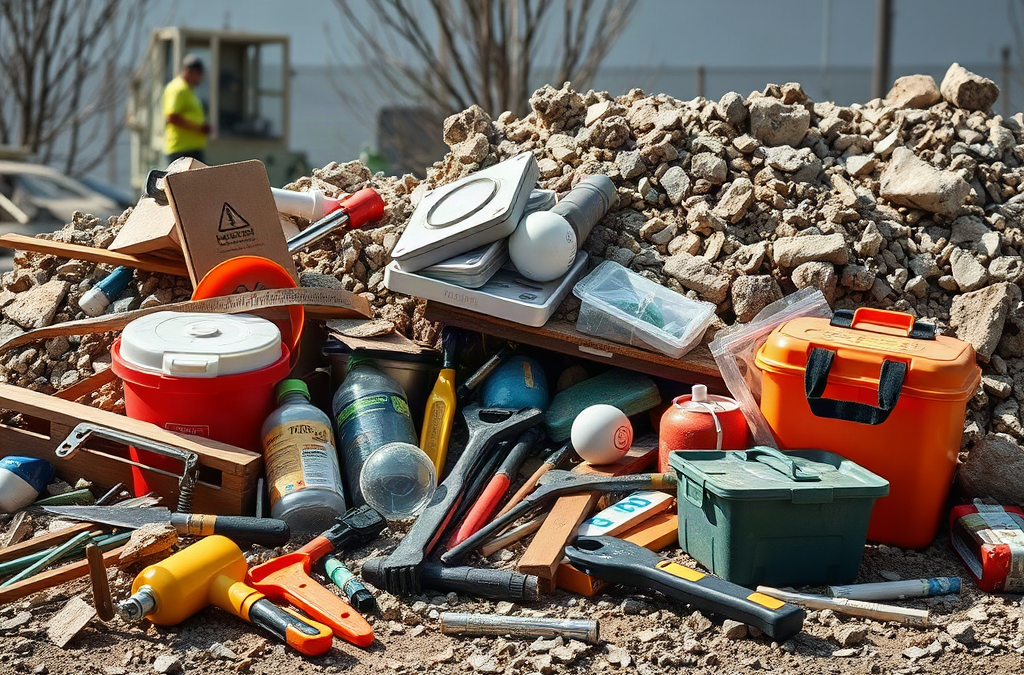
Earthquake kits designed for debris and utility loss should combine protected water, ready-to-eat food, lighting, communication, first aid, dust protection, and tools for safe movement around damaged spaces. Prioritize items that work without electricity, including headlamps, spare batteries, gloves, eye protection, sturdy footwear, a whistle, and a battery or hand-crank radio. Store drinking water separately from cleanup gear so contamination and access problems do not affect both supplies. Avoid relying on a single large kit: a bedside grab kit, a home cache, and a vehicle or workplace supply can cover different locations when falling objects, broken glass, blocked doors, gas odors, or outages prevent normal access.
What Debris and Utility Loss Change
An earthquake kit for ordinary weather disruption is not automatically suitable for a damaged building. Shattered glass, fallen furnishings, ceiling material, jammed doors, leaking pipes, dust, darkness, and unstable shelves can make simple tasks hazardous. A kit designed for debris and utility loss must therefore support two different jobs: helping people move or shelter safely during the first minutes, then sustaining basic needs while power, water, communications, or sanitation remain unreliable.
The first constraint is access. A large storage bin in a garage may be well stocked but useless if the garage door cannot open or the route is blocked. A compact bedside kit is more useful immediately because it can provide shoes, a light, gloves, and eye protection before someone crosses a room. A larger cache can remain elsewhere in the home, but it should not be the only source of essential items.
Utility failure changes the order of priorities. Without electricity, a phone may become a short-lived flashlight and a refrigerator may no longer protect food. Without running water, handwashing, toilet flushing, cooking, and drinking compete for a limited reserve. A battery radio can provide information, but it does not replace a charged phone, a written contact plan, or a way to signal nearby people.
A common mistake is treating debris removal as a do-it-yourself rescue task. Household tools can help clear light objects from a walking path, but they are not a reason to enter a visibly damaged structure, cut unknown wires, disturb suspected gas leaks, or lift unstable masonry. The kit should support cautious assessment and communication, not encourage risky entry. If a structure appears unsafe, leave it and follow local emergency instructions.

Use the linked Earthquake kits designed for debris and utility loss planning reference as a category check, then adapt quantities to the people, pets, mobility needs, climate, and likely storage locations in your own setting.
Building the Core Kit Around Immediate Hazards
The first layer should address injury prevention and visibility rather than convenience. Place closed-toe shoes and a headlamp where they can be reached from the bed, because broken glass and fallen objects may cover the floor before anyone reaches a closet. Add work gloves, safety glasses, a dust mask or respirator appropriate to the product instructions, and a whistle. These items are small, inexpensive compared with major equipment, and useful before the main supplies can be reached.
Hand tools should be selected for limited, observable tasks. A pry bar, adjustable wrench, pliers, utility knife, sturdy tape, cord, and a compact tool set may help open a stuck cabinet, shut off a valve when it is safe to do so, secure a loose tarp, or cut packaging. A wrench is not a substitute for knowledge of the home’s gas and water controls. Marking shutoffs before an earthquake is more useful than adding a larger tool after it.
Lighting deserves redundancy. Headlamps leave both hands available, while lanterns illuminate a shared room. Keep spare batteries sealed and stored with the devices, and inspect for leakage. Rechargeable lights can reduce waste but depend on a charging method; disposable batteries provide a different kind of backup. A small power bank should be kept charged and paired with the correct phone cable. Solar charging may be slow or ineffective in smoke, shade, or bad weather, so it should not be the only plan.
First aid supplies should cover cuts, sprains, routine medications, and personal medical equipment rather than merely occupying a decorative pouch. Include wound dressings, gloves, cleansing supplies, bandages, pain medicines used safely by the household, and copies of essential medication information. Prescription continuity requires advance planning with a clinician or pharmacy; a first-aid kit cannot replace medication access.
Keep a compact grab kit and a deeper home cache rather than forcing every item into one heavy container. The grab kit serves the first movement through a dark or cluttered room. The home cache holds water, food, sanitation materials, replacement batteries, blankets, and specialized supplies. A common failure is storing the heavy cache beneath other objects or in a location that becomes inaccessible after shaking. Test access with the lights off and without assuming every door or shelf will function normally.
Water, Food, Power, and Sanitation Without Utilities
Water is the limiting resource when a utility outage affects drinking, cooking, hygiene, and toilets at the same time. Store commercially packaged drinking water or suitable food-grade containers, and rotate them according to the manufacturer’s guidance. Keep water away from fuels, cleaning chemicals, direct heat, and places where falling objects could puncture containers. A purification method can add flexibility, but it should be treated as a backup: filters differ in what they remove, and none should be assumed to make every contaminated source safe.
Food should require little or no cooking, refrigeration, or extra water. Ready-to-eat canned foods, shelf-stable pouches, nut or seed products, crackers, dried fruit, and other familiar items may be practical when matched to allergies, dental needs, age, and medication routines. Include a manual can opener if cans require one. Very salty foods can increase thirst, while unfamiliar foods may be rejected by children or cause digestive problems. Rotate the cache by eating and replacing items, rather than allowing it to become a forgotten emergency-only collection.
Power planning works best when each device has a clear purpose. A power bank supports communications; batteries support lights and radios; a small inverter or generator may support selected equipment only if used according to its instructions. Never operate fuel-burning generators, camp stoves, grills, or heaters inside a home, garage, basement, or other enclosed area. Carbon monoxide has no reliable odor warning, so ventilation assumptions are not a safe control.
Sanitation supplies protect more than comfort. Heavy-duty bags, toilet liners or a suitable portable toilet, toilet paper, hand sanitizer, soap, disposable gloves, menstrual products, diapers, cleaning cloths, and sealable bags can reduce contact with waste when water service is unavailable. Separate sanitation materials from drinking water and food. A single mixed bin often becomes disorganized, and people may use drinking water for cleaning because hygiene supplies were difficult to find.
Prioritize the cache in this order when money or storage space is limited:
- Immediate access: shoes, headlamps, gloves, eye protection, whistle, and basic first aid.
- Life support: drinking water, required medicines, ready-to-eat food, and sanitation supplies.
- Continuity: radio, charging equipment, paper contacts, cash, blankets, and weather-appropriate clothing.
- Recovery tasks: tools, tarps, cordage, cleaning materials, and replacement batteries.
The weak assumption to avoid is that a large equipment list compensates for too little water, food, medication planning, or safe storage. A smaller kit with known locations and tested equipment is more useful than an impressive container no one can open or operate.
Placement, Inspection, and Real-World Use
Placement determines whether an earthquake kit exists in practice or only on paper. Keep the bedside layer within reach, secure larger containers so they do not become falling hazards, and place additional supplies where people regularly spend time. A workplace, vehicle, or separate floor may need its own compact set because an earthquake can occur while household members are away or travel routes are blocked.
Use a written inventory with expiration dates, battery types, medication notes, pet needs, and the location of shutoff controls. Inspect the kit after moving furniture, remodeling, changing vehicles, or adding a household member. Test lights, radios, power banks, and can openers instead of assuming they work. Replace cracked containers, corroded batteries, damaged masks, expired medications, and food that no longer suits the household.
Run a practical drill that does not involve dangerous simulated damage. In daylight, ask someone to locate the bedside supplies, identify the main cache, retrieve a radio, and find the written contact information. Then repeat part of the exercise under low light. If a person cannot find shoes, open the container, identify the battery type, or use the can opener, the problem is not solved by adding more equipment.
Think through competing scenarios. If the home is safe but the power is out, lighting, water, food, sanitation, and charging matter most. If glass blocks a hallway, footwear and eye protection come first. If water service is interrupted, drinking reserves and toilet arrangements outrank a tarp or multipurpose tool. If evacuation is advised, a heavy cache may be less useful than documents, medicines, a phone, water, and a small carryable bag.
Do not store every critical item in one location. A vehicle kit may be exposed to heat and theft, so it should contain durable basics rather than temperature-sensitive medication or all household water. A basement may offer storage volume but can flood or become inaccessible. An upper floor may avoid flooding yet be difficult to leave. The practical solution is layered storage, clear labeling, and regular access checks rather than dependence on one perfect container.
For a more focused planning cross-check, use Earthquake kits designed for debris and utility loss alongside a household map showing exits, hazards, utility shutoffs, and meeting points. The map converts supplies into a usable response plan.
Frequently Asked Questions
What should be reachable immediately after an earthquake?
Keep closed-toe shoes, a headlamp, spare batteries, gloves, eye protection, a whistle, and basic first aid within reach, especially beside beds.
Should tools be kept in an earthquake kit?
Yes, but choose tools for limited safe tasks such as opening cabinets, securing materials, or shutting off a known valve. Do not use them to enter unstable structures or handle unknown utilities.
How should water be stored separately from debris supplies?
Use clean, labeled containers for drinking water and keep them away from fuel, chemicals, sharp tools, and areas where falling objects could damage them.
What food works best when electricity is unavailable?
Choose familiar shelf-stable food that can be eaten without cooking or refrigeration, and include a manual can opener when needed. Account for allergies, medications, and dental needs.
Can a generator be used inside during a utility outage?
No. Fuel-burning generators must be used outdoors according to the manufacturer’s instructions and away from doors, windows, and vents to reduce carbon monoxide risk.
Further Reading
Authoritative Sources
- Earthquakes
ready.govProvides federal guidance on earthquake hazards, protective actions, family communication, and recovery planning
- Earthquake Hazards Program
usgs.govExplains earthquake hazards and offers science-based information for understanding local risk
- Carbon Monoxide Safety
cdc.govDetails the dangers of carbon monoxide from fuel-burning equipment during power outages
Conclusion
A useful earthquake kit is organized around the conditions people may face, not around the number of products in a storage bin. Put immediate-access items beside sleeping areas, protect water and food from contamination, provide lighting and communication without the grid, and include sanitation supplies for a failed water system. Add tools only for tasks that can be performed safely, and never treat a kit as permission to enter a damaged structure. Layer supplies across the home, vehicle, workplace, or other regular locations, then test access and equipment under realistic conditions. The next practical step is to walk through each likely route, identify where debris or darkness would slow movement, and place the first layer where it can be reached without crossing unnecessary hazards.
Related Content
- How to Evaluate the Preparedness of Your Neighborhood: Key Indicators and Practical Steps
- The Ultimate Survival Prepping Guide 2025: 10 Powerful Tips to Prepare Effectively
- Do You Have Enough Supplies for a Flood? Here’s the Checklist
- Basic Survival Readiness: Essential Steps for Emergency Preparedness
- Preparing for the Worst: Are You Ready for a Tornado?




