Understanding your specific needs is the first step in budgeting for long-term emergency supplies. Start by evaluating the size of your household and the types of emergencies you may face, such as natural disasters or economic downturns. Consider the duration of emergencies you want to prepare for, typically ranging from three days to several months. This assessment will guide your decisions on the quantity and types of supplies required.
It’s essential to involve all household members in this process, as their input can help identify unique needs, such as dietary restrictions or medical requirements. For instance, if someone in your household requires medication, you’ll need to factor in additional costs for those supplies. A comprehensive needs assessment ensures you have a well-rounded supply list that aligns with your family’s specific circumstances.
Creating a Financial Plan
Once you’ve assessed your needs, the next step is crafting a financial plan that allocates funds specifically for emergency supplies. Start by determining how much you can realistically set aside each month. This may involve reviewing your current budget to identify areas where you can cut back or adjust spending.
Consider creating a dedicated savings account for emergency supplies. This not only helps track your progress but also prevents the temptation to spend those funds on non-emergency items. Depending on your financial situation, you might allocate a fixed percentage of your income or a specific dollar amount each month. This disciplined approach helps ensure you build your supplies gradually without financial strain.
Prioritizing Supplies
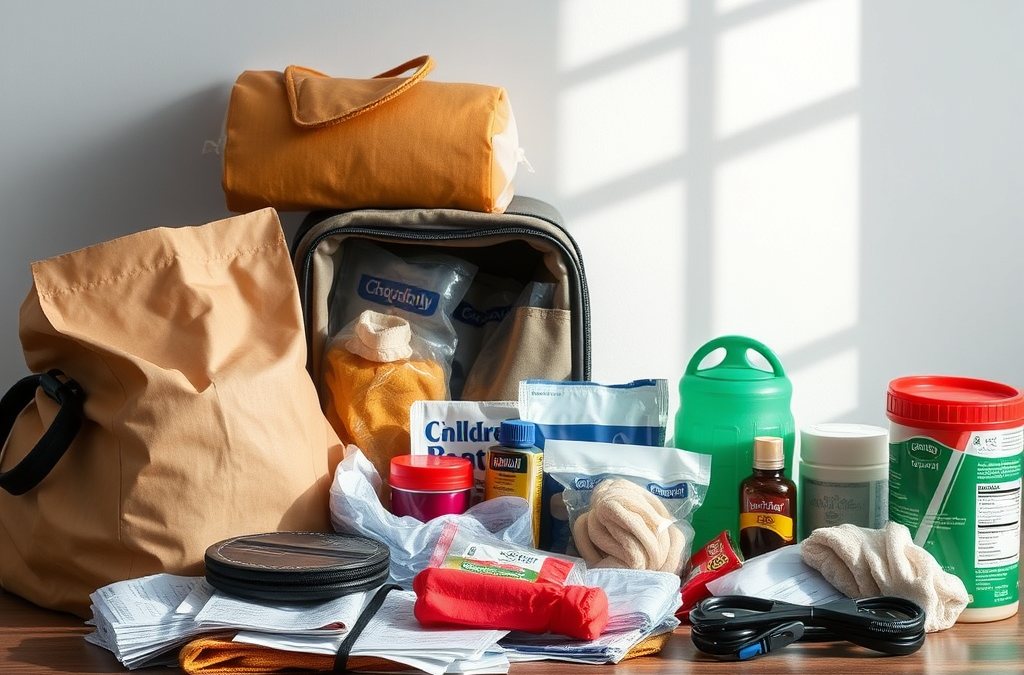
When budgeting for long-term emergency supplies, prioritization is crucial. Focus on essential items that provide the most value, such as non-perishable food, clean water, first-aid kits, and personal hygiene products. Start with a basic inventory list, categorizing items into necessities and extras. For example, while canned goods and water filtration systems are necessities, luxury items like gourmet food might be lower on your priority list.
Moreover, consider the shelf life of items when making purchases. Opt for products with longer shelf lives, which can save money in the long run. Regularly rotate your supplies to keep them fresh and effective, using older items first. This practice not only ensures you have usable supplies but also helps maintain a budget by reducing waste.
Common Budgeting Mistakes
As you embark on budgeting for long-term emergency supplies, be aware of common mistakes that can derail your efforts. One frequent error is overspending on non-essential items. Many people are tempted to buy large quantities of trendy or specialty products rather than focusing on the basics. This can lead to a depletion of funds needed for critical supplies.
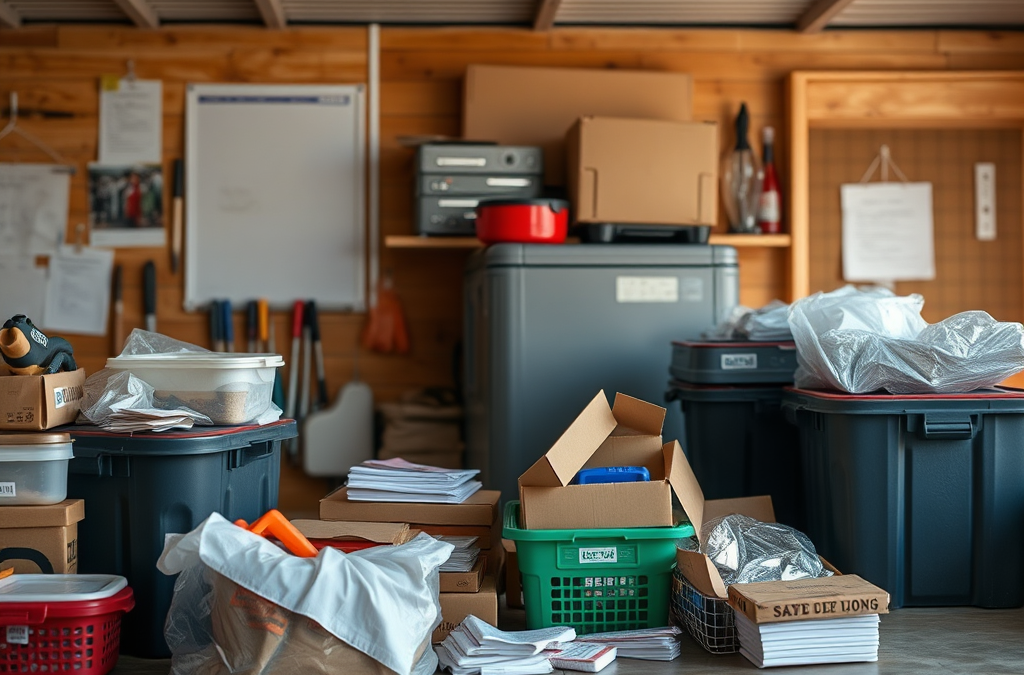
Another pitfall is underestimating storage costs. It’s not enough to buy supplies; you also need to consider where to store them. Ensure you have enough space to keep your supplies organized and accessible. This might involve investing in shelving or storage bins, which should be factored into your budget. By avoiding these common mistakes, you can create a more effective and sustainable budgeting plan for your emergency supplies.
Frequently Asked Questions
What types of supplies should I prioritize for emergencies?
Prioritize non-perishable food, water, first-aid kits, and personal hygiene items as essential supplies for emergencies.
How much should I budget each month for emergency supplies?
Set aside a realistic amount based on your overall budget; consider starting with to 0 monthly, adjusting as needed.
How can I ensure my supplies remain fresh?
Regularly rotate your supplies by using older items first and replacing them with fresh stock to maintain effectiveness.
What common mistakes should I avoid when budgeting?
Avoid overspending on non-essential items and underestimating storage costs, which can impact your overall budget.
Is it necessary to involve my family in the budgeting process?
Yes, involving family members helps identify unique needs and ensures everyone is prepared and aware of emergency plans.
National preparedness resources for planning, mitigation, and response readiness
Conclusion
Budgeting for long-term emergency supplies requires careful planning and prioritization. By assessing your household needs, creating a financial plan, and focusing on essential supplies, you can ensure your family is prepared for unforeseen events. Avoid common pitfalls such as overspending and neglecting storage costs. With a disciplined approach, you can build a reliable stock of emergency supplies that will serve you well in times of need.
Community involvement in preparedness refers to the active participation of individuals and organizations within a local area to enhance safety and readiness for emergencies. This includes forming connections, sharing resources, and collaborating on strategies that improve the overall resilience of the community. Understanding the necessity of local engagement is vital, as it allows communities to respond effectively to disasters, whether they are natural or man-made.
When community members engage with one another, they create networks that facilitate information sharing and mutual aid. This collective action not only strengthens the community but also fosters a culture of preparedness, where individuals feel empowered to contribute to local safety measures. Without this involvement, communities may struggle to respond efficiently during crises due to a lack of coordination and resource availability.
Benefits of Local Engagement
Engaging the community in preparedness efforts presents numerous benefits that enhance the collective ability to respond to emergencies. First and foremost, local engagement leads to a more informed populace. When community members participate in preparedness activities, they gain knowledge about potential risks and how to mitigate them. This awareness translates into better personal and collective decision-making during emergencies.
Moreover, community involvement fosters resource sharing. Local organizations, such as neighborhood associations and volunteer groups, can pool resources to create emergency kits, organize training sessions, and establish communication protocols. This collaboration ensures that essential supplies and information are readily available when needed. Additionally, communities with strong networks are often more resilient, as they can rely on one another for support and assistance in times of crisis.
Challenges and Misconceptions
Despite its importance, community involvement in preparedness can face several challenges and misconceptions. A common misconception is that only formal organizations or agencies are responsible for disaster preparedness. This belief can lead to apathy among individuals who may feel that their contributions are insignificant. In reality, every individual can play a role, and collective action is what makes a significant impact.
Another challenge is the lack of awareness or understanding of local risks. Communities may underestimate the threats they face, leading to inadequate preparedness efforts. Additionally, logistical issues, such as coordinating schedules for meetings or training sessions, can hinder participation. To overcome these challenges, it is essential to create inclusive environments that encourage participation from all community members, regardless of their background or experience.
Practical Steps for Involvement
There are several practical steps community members can take to become involved in preparedness efforts. First, individuals should familiarize themselves with local risks and available resources. This could involve attending community meetings or workshops focused on emergency preparedness. Additionally, joining local volunteer organizations or neighborhood watch groups can provide opportunities for hands-on involvement.
Communities can also organize events that promote preparedness awareness, such as disaster preparedness fairs or training sessions. These events not only educate participants but also foster connections among community members, strengthening the local network. Regular communication through newsletters, social media, or community boards can keep everyone informed about upcoming events and opportunities for involvement.
Frequently Asked Questions
Why is community involvement essential in preparedness?
Community involvement is essential because it enhances collaboration, resource sharing, and builds resilience, making emergency response more effective.
How can individuals contribute to their community's preparedness?
Individuals can contribute by participating in local meetings, joining volunteer groups, and sharing information about preparedness resources.
What are common misconceptions about community preparedness?
A common misconception is that only formal organizations are responsible for preparedness, leading to disengagement among individuals.
What challenges do communities face in preparedness efforts?
Communities often face challenges such as lack of awareness about local risks and logistical issues in coordinating participation.
What practical steps can communities take to enhance involvement?
Communities can enhance involvement by organizing awareness events, fostering communication, and creating inclusive environments for participation.
National preparedness resources for planning, mitigation, and response readiness
Conclusion
Community involvement in preparedness is not just beneficial; it is essential for building resilience and ensuring effective emergency responses. By fostering connections and encouraging participation, communities can create a strong network that enhances safety and preparedness. Individuals should take proactive steps to engage with their neighbors and local organizations, as every contribution counts in building a more prepared future.
Adapting your emergency kit for individuals with special needs requires a thorough understanding of their unique circumstances. Special needs can include physical disabilities, cognitive impairments, medical conditions, or sensory sensitivities. Each individual’s requirements can vary widely, making it essential to tailor the emergency kit accordingly. For instance, a person with diabetes will need specific medical supplies and snacks, while someone with mobility challenges may require mobility aids.
Recognizing these differences is crucial when planning for emergencies. Many people overlook the importance of considering individual needs, leading to inadequate preparation. A well-thought-out kit not only ensures safety but also provides peace of mind during stressful situations. It is beneficial to involve the individual in the planning process to identify their specific needs and preferences.
Key Supplies for Special Needs Emergency Kits
Essential supplies for special needs emergency kits should be prioritized based on the individual’s specific requirements. Start with medical supplies, which may include extra medications, insulin, syringes, or any necessary medical devices. Be sure to check expiration dates regularly and replace items as needed.
Additionally, think about personal hygiene items such as adult diapers, sanitary products, and wipes, which can be crucial during extended emergencies. Consider including comfort items, like favorite toys or blankets, to help reduce anxiety during crises. It’s also wise to pack non-perishable food items that meet dietary restrictions, such as gluten-free snacks or low-sugar options.
Communication Strategies During Emergencies
Effective communication is vital during emergencies, especially for individuals with cognitive impairments or those who may struggle with verbal communication. Incorporating communication tools into your emergency kit can significantly enhance safety and understanding. For example, visual aids, such as picture cards or communication boards, can help convey essential information quickly.
Moreover, consider including a portable device loaded with important contacts and basic emergency instructions. This can be particularly beneficial for individuals who may forget essential details during stressful situations. Regularly practicing emergency scenarios with the individual can help reinforce their understanding and response during real emergencies.
Regular Maintenance and Updates of Your Kit
Your emergency kit should not be a static collection of items. Regular maintenance is key to ensuring that the kit remains functional and relevant. Schedule routine checks every few months to assess the contents of the kit, replacing expired items and adding new supplies as needed. This is particularly important as personal circumstances may change over time, requiring updates to the kit.
Involve the individual in the maintenance process to foster a sense of ownership and responsibility. Discuss any changes in their needs and make adjustments to the kit accordingly. Keeping an updated list of contents and checking it against the physical items can help ensure nothing is overlooked.
Frequently Asked Questions
What should I include in an emergency kit for someone with mobility issues?
Include mobility aids like wheelchairs or walkers, as well as any necessary medications, personal hygiene items, and comfort items to make the individual feel secure.
How often should I update the emergency kit?
It's recommended to review and update the emergency kit every three to six months to ensure all items are current and reflect any changes in individual needs.
Are there specific foods I should include in the kit?
Include non-perishable foods that meet dietary restrictions, such as gluten-free snacks, protein bars, or low-sugar options, depending on the individual's needs.
What communication tools are best for emergencies?
Visual aids like picture cards, communication boards, or portable devices with contact information can help convey important messages quickly and effectively.
How can I involve the individual in the planning process?
Engage them in discussions about their needs and preferences, and practice emergency scenarios together to ensure they feel prepared and informed.
National preparedness resources for planning, mitigation, and response readiness
Conclusion
Adapting your emergency kit for individuals with special needs is a crucial step in ensuring their safety and comfort during crises. By understanding specific needs, prioritizing essential supplies, and incorporating effective communication strategies, you can create a comprehensive kit. Regular maintenance and updates will keep the kit functional and relevant, helping to mitigate risks and enhance preparedness. Take proactive steps today to ensure that your emergency kit meets the unique requirements of those you care for.