
To budget for long-term emergency supplies, begin by evaluating your household's specific needs and potential emergency scenarios. Set aside a realistic monthly amount dedicated to purchasing essential items such as food, water, and medical supplies. Consider using a separate savings account to track your contributions and avoid spending those funds on non-emergency items. Prioritize high-quality supplies with a long shelf life to ensure they remain viable when needed. Be cautious of common budgeting mistakes, such as overspending on unnecessary items or underestimating the costs of storage solutions.
Assessing Your Needs
Understanding your specific needs is the first step in budgeting for long-term emergency supplies. Start by evaluating the size of your household and the types of emergencies you may face, such as natural disasters or economic downturns. Consider the duration of emergencies you want to prepare for, typically ranging from three days to several months. This assessment will guide your decisions on the quantity and types of supplies required.
It’s essential to involve all household members in this process, as their input can help identify unique needs, such as dietary restrictions or medical requirements. For instance, if someone in your household requires medication, you’ll need to factor in additional costs for those supplies. A comprehensive needs assessment ensures you have a well-rounded supply list that aligns with your family’s specific circumstances.
Creating a Financial Plan
Once you’ve assessed your needs, the next step is crafting a financial plan that allocates funds specifically for emergency supplies. Start by determining how much you can realistically set aside each month. This may involve reviewing your current budget to identify areas where you can cut back or adjust spending.
Consider creating a dedicated savings account for emergency supplies. This not only helps track your progress but also prevents the temptation to spend those funds on non-emergency items. Depending on your financial situation, you might allocate a fixed percentage of your income or a specific dollar amount each month. This disciplined approach helps ensure you build your supplies gradually without financial strain.

Prioritizing Supplies
When budgeting for long-term emergency supplies, prioritization is crucial. Focus on essential items that provide the most value, such as non-perishable food, clean water, first-aid kits, and personal hygiene products. Start with a basic inventory list, categorizing items into necessities and extras. For example, while canned goods and water filtration systems are necessities, luxury items like gourmet food might be lower on your priority list.
Moreover, consider the shelf life of items when making purchases. Opt for products with longer shelf lives, which can save money in the long run. Regularly rotate your supplies to keep them fresh and effective, using older items first. This practice not only ensures you have usable supplies but also helps maintain a budget by reducing waste.
Common Budgeting Mistakes
As you embark on budgeting for long-term emergency supplies, be aware of common mistakes that can derail your efforts. One frequent error is overspending on non-essential items. Many people are tempted to buy large quantities of trendy or specialty products rather than focusing on the basics. This can lead to a depletion of funds needed for critical supplies.
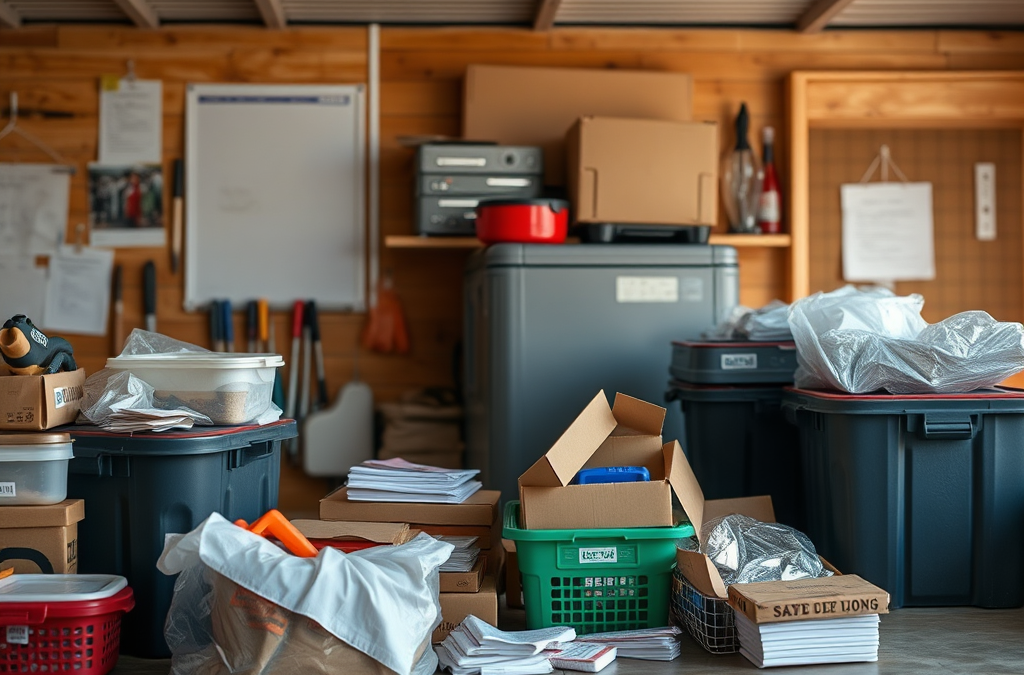
Another pitfall is underestimating storage costs. It’s not enough to buy supplies; you also need to consider where to store them. Ensure you have enough space to keep your supplies organized and accessible. This might involve investing in shelving or storage bins, which should be factored into your budget. By avoiding these common mistakes, you can create a more effective and sustainable budgeting plan for your emergency supplies.
Frequently Asked Questions
What types of supplies should I prioritize for emergencies?
Prioritize non-perishable food, water, first-aid kits, and personal hygiene items as essential supplies for emergencies.
How much should I budget each month for emergency supplies?
Set aside a realistic amount based on your overall budget; consider starting with to 0 monthly, adjusting as needed.
How can I ensure my supplies remain fresh?
Regularly rotate your supplies by using older items first and replacing them with fresh stock to maintain effectiveness.
What common mistakes should I avoid when budgeting?
Avoid overspending on non-essential items and underestimating storage costs, which can impact your overall budget.
Is it necessary to involve my family in the budgeting process?
Yes, involving family members helps identify unique needs and ensures everyone is prepared and aware of emergency plans.
Further Reading
Authoritative Sources
- Ready.gov Preparedness Guidance
ready.govFederal preparedness guidance for household planning, alerts, supplies, and emergencies
- American Red Cross Emergency Preparedness
redcross.orgEmergency preparedness resources for families, disasters, and practical safety planning
- FEMA Preparedness Resources
fema.govNational preparedness resources for planning, mitigation, and response readiness
Conclusion
Budgeting for long-term emergency supplies requires careful planning and prioritization. By assessing your household needs, creating a financial plan, and focusing on essential supplies, you can ensure your family is prepared for unforeseen events. Avoid common pitfalls such as overspending and neglecting storage costs. With a disciplined approach, you can build a reliable stock of emergency supplies that will serve you well in times of need.




