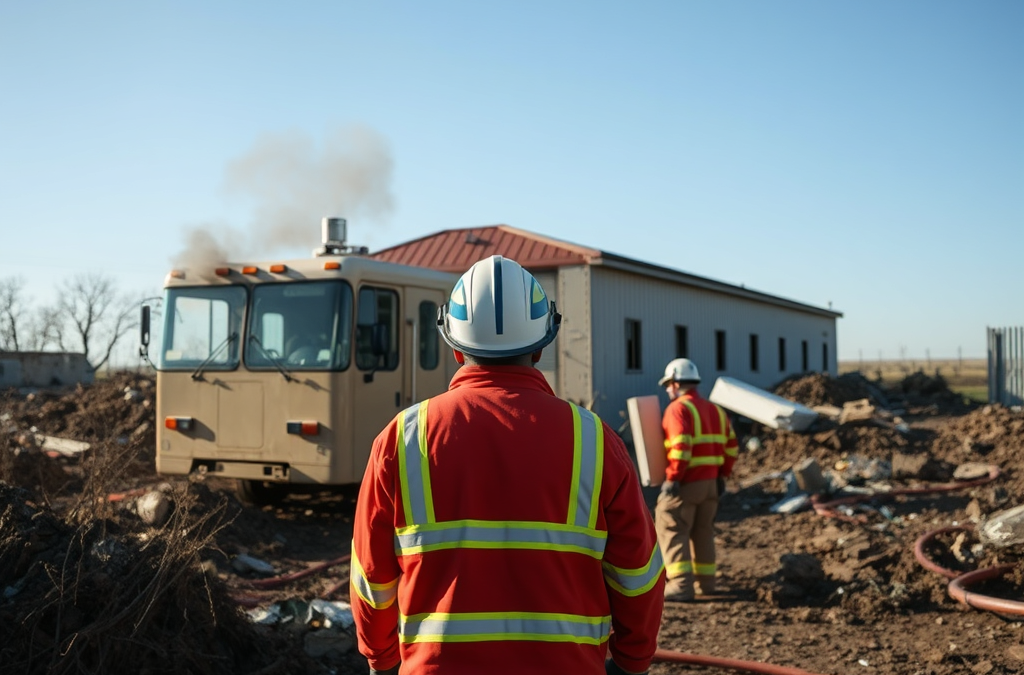
Proper training is crucial for effective disaster response because it equips responders with the necessary skills and knowledge to act decisively under pressure. Training provides a framework for understanding the complexities of emergency situations, enabling responders to prioritize tasks and make informed decisions quickly. Inadequate training can lead to confusion and mistakes, which can have dire consequences during a disaster.
For instance, responders without adequate training may not recognize the signs of a hazardous environment, leading to dangerous situations for themselves and victims. Additionally, understanding protocols for communication and coordination can significantly impact the efficiency of response efforts. Training ensures that all team members are on the same page, minimizing the risk of miscommunication and ensuring that resources are utilized effectively.
Common Mistakes in Disaster Response Training
One significant mistake in disaster response training is the failure to simulate realistic scenarios. Many training programs focus on theoretical knowledge rather than practical application, which can leave responders unprepared for real-life situations. For example, if training does not include hands-on exercises that mimic the chaotic nature of a disaster, responders may struggle to adapt when faced with actual emergencies.
Another common error is neglecting to address the psychological aspects of disaster response. Training should encompass not only technical skills but also mental preparedness. Responders often face high-stress environments, and without training in stress management and emotional resilience, they may become overwhelmed, leading to poor decision-making and ineffective response.
Real-World Impacts of Inadequate Training
The consequences of inadequate training for disaster response are evident in various real-world scenarios. For example, during Hurricane Katrina, many responders were criticized for their lack of preparedness and coordination, which resulted in delayed assistance and increased suffering for victims. This disaster highlighted how inadequate training can lead to failures in communication, resource management, and overall response effectiveness.
Moreover, the aftermath of inadequate training often includes prolonged recovery periods for affected communities. When responders are ill-equipped to handle emergencies, the recovery phase can be drawn out, leading to higher costs for local governments and communities. Inadequate training can also result in increased casualties, as timely and effective interventions are not executed.
Strategies for Effective Disaster Response Training
To enhance disaster response training, organizations should prioritize realistic simulation exercises that closely mimic potential disaster scenarios. This approach allows responders to practice their skills in a controlled environment, fostering familiarity with procedures and teamwork. Additionally, incorporating psychological training can help responders develop the mental fortitude needed to handle high-stress situations effectively.
Another strategy is to ensure ongoing training and refreshers, as skills can diminish over time without practice. Regular drills and evaluations can help maintain readiness and adaptability in responders. Furthermore, establishing partnerships with local agencies and communities can enhance training efforts by incorporating diverse perspectives and resources.
Frequently Asked Questions
What are the key risks associated with inadequate disaster response training?
Key risks include increased casualties, ineffective resource management, and miscommunication among responders, leading to chaotic situations during emergencies.
How can inadequate training affect community recovery after a disaster?
When responders lack training, recovery efforts can be prolonged, increasing costs for communities and leading to greater suffering for affected individuals.
What are the psychological impacts of disaster response on responders?
Responders may experience stress, anxiety, and burnout due to high-pressure situations, which can affect their performance and decision-making abilities.
Why is simulation important in disaster response training?
Simulation provides responders with hands-on experience in realistic scenarios, allowing them to practice decision-making and teamwork in a controlled environment.
What ongoing strategies can organizations implement for disaster response training?
Organizations can conduct regular drills, provide refresher courses, and collaborate with local agencies to ensure comprehensive and effective training.
National preparedness resources for planning, mitigation, and response readiness
Conclusion
Inadequate training for disaster response leads to severe consequences, including increased casualties and prolonged recovery efforts. To mitigate these risks, organizations must prioritize realistic training simulations, address psychological preparedness, and commit to ongoing education. By adopting effective training strategies, responders can enhance their capabilities and improve outcomes for communities during emergencies.
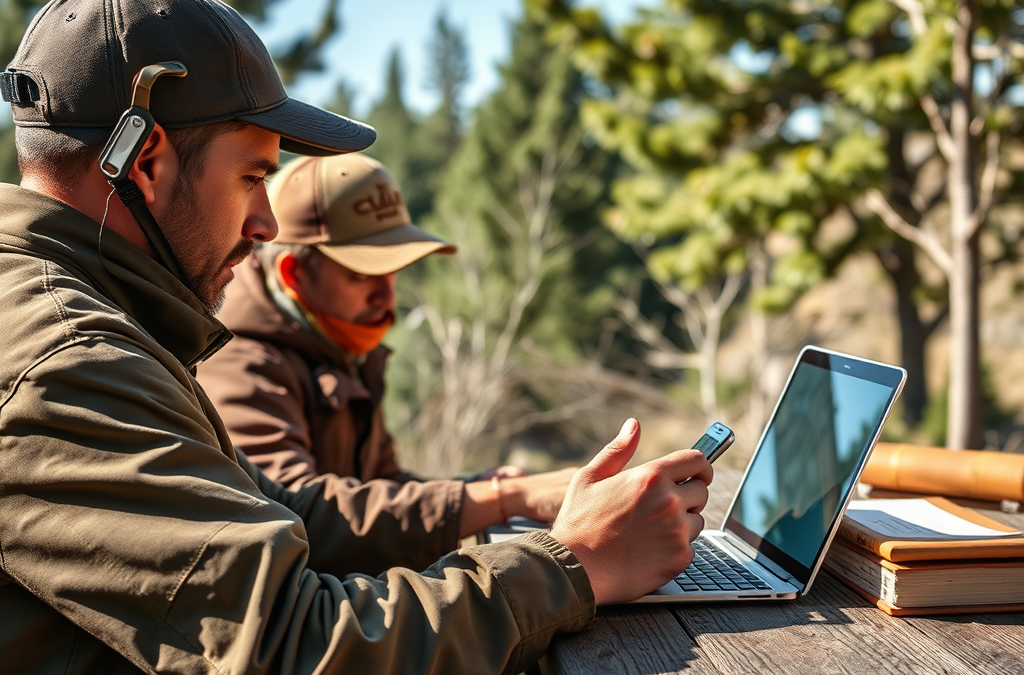
Engaging with the prepper community on social media is crucial for sharing knowledge and experiences. Platforms like Facebook and Reddit host numerous groups where members discuss various preparedness topics, from food storage to self-defense strategies. By participating in these groups, you can learn from others’ experiences and share your insights, creating a collaborative learning environment.
One effective way to engage is to ask questions that invite detailed responses. For example, posting about specific gear recommendations or asking for advice on emergency plans can elicit valuable feedback. Additionally, consider following influential prepper accounts and joining live discussions to stay connected with the community.
Sharing Actionable Insights
When using social media for prepping tips, sharing actionable insights is vital. This means not only discussing theories but providing practical advice that others can implement. For instance, instead of merely suggesting a type of food storage, you could share a step-by-step guide on how to vacuum seal foods for long-term storage. This approach not only helps others but also establishes you as a knowledgeable resource within the community.
Visual content, such as infographics or short videos, can enhance your posts. These formats are more engaging and can convey complex information quickly. For example, a video demonstrating how to create a bug-out bag can be more impactful than a text-based post. Be sure to encourage discussions around your posts to foster a sense of community and shared learning.
Staying Informed About Developments
Social media is an excellent tool for staying informed about the latest developments in prepping and emergency preparedness. Following credible sources, such as government agencies, reputable survival experts, and industry publications, can provide you with timely updates on relevant topics. This might include new regulations, safety alerts, or innovative prepping products that could enhance your preparedness efforts.
Creating lists of trusted accounts to follow can streamline your information intake. Regularly check these accounts for new posts and updates, and consider setting up alerts for important topics. Engaging with this content by sharing it and adding your thoughts can also help spread valuable information to your followers.
Common Mistakes to Avoid
While social media can be a powerful tool for prepping, it’s essential to avoid common pitfalls. One major mistake is oversharing personal information, which can jeopardize your safety and preparedness efforts. Be cautious about revealing your location, emergency plans, or sensitive details about your supplies.
Another mistake is following unverified sources or spreading misinformation. Always fact-check information before sharing it with your audience. Misleading posts can harm your credibility and potentially lead to dangerous situations for those who act on false information. Prioritizing accuracy and safety in your social media interactions will ensure a more reliable and trustworthy prepper community.
Frequently Asked Questions
What social media platforms are best for prepping tips?
Facebook, Reddit, and Instagram are popular for connecting with prepper communities and sharing tips.
How can I verify information shared on social media?
Check the credibility of the source, look for citations, and cross-reference with reputable sites before sharing.
Is it safe to share my prepping plans online?
Be cautious; avoid sharing personal details that could compromise your safety or preparedness efforts.
Can I learn about prepping from social media?
Yes, social media is a valuable resource for learning from experienced preppers and accessing a range of tips and strategies.
What type of content should I post on social media about prepping?
Share actionable insights, gear reviews, and personal experiences to engage your audience and foster community.
This site provides articles and resources specifically tailored for preppers, including gear reviews and survival strategies
Conclusion
Utilizing social media for prepping tips can significantly enhance your preparedness efforts by connecting you with valuable resources and a supportive community. Focus on engaging with like-minded individuals, sharing practical insights, and staying informed about the latest developments in the field. By avoiding common mistakes such as oversharing personal information and relying on unverified sources, you can build a trustworthy online presence that benefits both you and your followers. Take action today by joining relevant groups and contributing your knowledge to help others prepare effectively.
Importance of Family Discussions in Emergency Planning
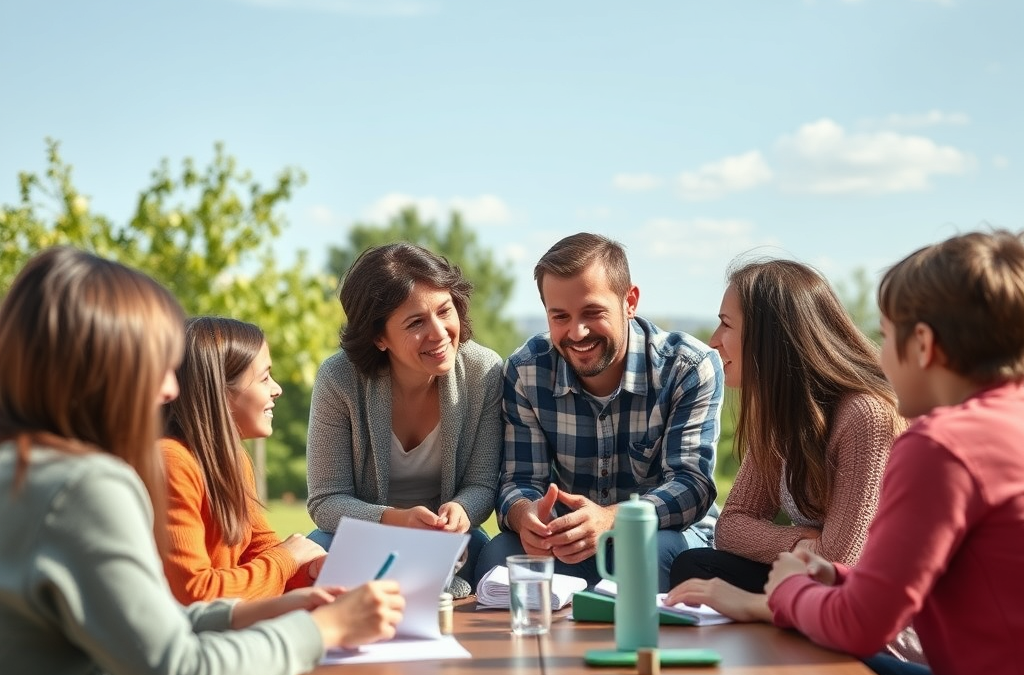
Engaging in family discussions about emergency planning is vital for establishing a cohesive response strategy during crises. These discussions help clarify roles, responsibilities, and expectations, ensuring that every family member knows their specific tasks in the event of an emergency. Additionally, discussing potential scenarios can enhance overall preparedness by familiarizing everyone with possible risks and responses.
When families communicate openly about emergency plans, they cultivate a sense of security and confidence. This preparation can reduce anxiety during actual emergencies, as family members are less likely to panic when they have practiced their responses. Furthermore, these conversations can help identify gaps in knowledge or resources, prompting families to take proactive measures to address them.
How to Structure Family Emergency Discussions
To ensure effective family discussions about emergency planning, structure them around key components. Start by defining the types of emergencies that could affect your family, such as natural disasters, medical emergencies, or home invasions. Discuss each scenario in detail, covering what actions to take, where to meet, and how to communicate.
Involve all family members in the planning process, encouraging them to share their thoughts and concerns. This inclusive approach not only promotes buy-in but also allows for diverse perspectives, which can lead to a more robust emergency plan. Use tools like charts or checklists to visualize the plan and ensure everyone understands their role.
Common Mistakes in Family Emergency Planning
Many families make critical mistakes during emergency planning that can jeopardize their safety. One common error is failing to practice the emergency plan regularly. Without practice, family members may forget their roles or become confused during an actual emergency. It’s essential to conduct regular drills to reinforce the plan and ensure that everyone is comfortable with their responsibilities.
Another mistake is not updating the emergency plan. As families grow and change, so do their needs and circumstances. Regularly reviewing and updating the emergency plan helps keep it relevant and effective. Additionally, neglecting to include children in discussions can lead to a lack of understanding, making them more vulnerable during crises.
Real-World Scenarios and Solutions
Consider a family living in an area prone to hurricanes. Engaging in discussions about what to do when a hurricane warning is issued can prepare them for evacuation or shelter-in-place scenarios. For instance, they might decide on a specific evacuation route and a meeting point if they become separated. This proactive planning can save valuable time and reduce stress during an actual event.
Another scenario might involve a medical emergency, such as a family member experiencing a severe allergic reaction. Discussing who will call for help, where the emergency kit is located, and how to administer medication can ensure a quick and organized response. Practicing these scenarios can help family members feel more confident and prepared, ultimately leading to better outcomes during real emergencies.
Frequently Asked Questions
Why are family discussions important for emergency planning?
Family discussions are crucial because they ensure that all members understand their roles and responsibilities during an emergency, reducing confusion and panic.
How often should families practice their emergency plans?
Families should practice their emergency plans at least twice a year to reinforce roles and ensure everyone is familiar with the procedures.
What are some common mistakes families make in emergency planning?
Common mistakes include not practicing the plan regularly, failing to update it as circumstances change, and overlooking the inclusion of children in discussions.
How can families ensure everyone is involved in emergency planning?
Encouraging open dialogue and actively involving all family members in discussions helps ensure everyone feels included and understands the plan.
The American Red Cross offers guidance on emergency preparedness and response planning for families
Conclusion
Family discussions are essential in emergency planning as they foster communication, clarify roles, and enhance preparedness. By engaging in structured discussions and practicing plans regularly, families can significantly improve their response to emergencies. It’s crucial to avoid common mistakes and involve every member in the planning process, ensuring a comprehensive approach to safety. Prioritize these discussions to build confidence and resilience within your family.