Understanding the Importance of Self-Defense Preparation
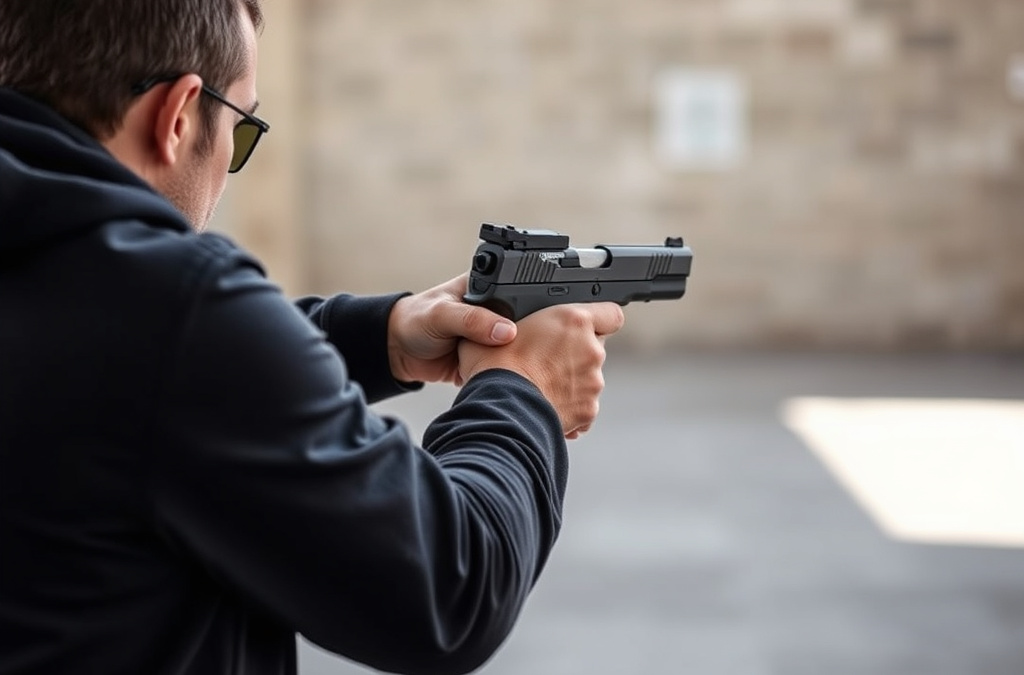
Self-defense preparation is vital for personal safety, empowering individuals to respond effectively to threats. Recognizing potential dangers and understanding how to react can mean the difference between safety and harm. Preparation involves not just physical training but also mental readiness, situational awareness, and strategic planning. Many underestimate the psychological aspects of self-defense; being mentally prepared can enhance your response during a real encounter.
Effective self-defense preparation requires a holistic approach. It’s essential to consider various scenarios, from street encounters to home invasions. Understanding the risks associated with different environments helps in formulating a more comprehensive self-defense strategy. Moreover, regular training and practice can instill confidence and muscle memory, essential for executing techniques under pressure.
Common Mistakes in Self-Defense Preparations
Many individuals make critical errors in their self-defense preparations, often stemming from misconceptions or a lack of knowledge. A prevalent mistake is over-reliance on physical strength or specific techniques without considering the broader context. Effective self-defense is not just about knowing how to fight; it’s about awareness and avoidance strategies. Failing to develop these can lead to dangerous situations.
Another common pitfall is neglecting legal implications. Many do not understand the laws surrounding self-defense, which can vary significantly by location. Engaging in self-defense without proper knowledge of the law can lead to legal complications, even if the action was justified. Furthermore, individuals often fail to practice their techniques regularly, leading to a lack of proficiency when it matters most. Consistent training is crucial for maintaining skills and ensuring effective responses.
Effective Training Methods for Self-Defense
To prepare effectively for self-defense, individuals should engage in diverse training methods. Hands-on classes, such as martial arts or self-defense workshops, offer practical experience and can enhance physical skills. However, physical training alone is insufficient; incorporating scenario-based training can simulate real-life situations, helping individuals to think critically and adapt their responses.
Additionally, mental conditioning is vital. Techniques such as visualization can help prepare the mind for potential confrontations. Practicing situational awareness exercises can improve the ability to identify threats before they escalate. Training should also include discussions about emotional responses to stress, as managing fear and anxiety effectively can significantly impact one’s ability to respond in a crisis.
Creating a Practical Self-Defense Plan
A well-thought-out self-defense plan is crucial for effective preparation. Start by assessing personal risks based on lifestyle and environment. Identify potential threats and outline strategies for avoiding or confronting these situations. This plan should detail specific actions to take in various scenarios, including escape routes and safe havens.
It’s also important for individuals to communicate their self-defense plan with trusted friends or family members. This not only fosters accountability but also ensures that others can assist in case of an emergency. Regularly reviewing and updating the plan based on changing circumstances or new insights can further enhance its effectiveness, ensuring preparedness in any situation.
Frequently Asked Questions
What are the key elements of self-defense preparation?
The key elements include mental readiness, physical training, situational awareness, and understanding legal implications.
How often should I practice self-defense techniques?
Regular practice is essential; aim for at least once a week to maintain proficiency and confidence.
What should I include in my self-defense plan?
Your plan should outline potential threats, escape routes, safe locations, and actions to take in various scenarios.
Are there specific training methods recommended for self-defense?
Yes, engaging in martial arts, scenario-based training, and mental conditioning techniques are highly recommended.
How can I improve my situational awareness?
Practicing mindfulness and regularly assessing your environment can enhance your situational awareness significantly.
Further Reading
For those interested in expanding their knowledge about self-defense preparations, consider exploring resources from reputable organizations that specialize in personal safety and self-defense training.
Offers various courses and resources for practical self-defense training
Conclusion
Preparing for self-defense involves a multifaceted approach that encompasses mental and physical readiness, practical training, and a clear understanding of the law. By avoiding common mistakes and implementing effective training methods, individuals can enhance their ability to respond to threats confidently. Regularly reviewing and adapting your self-defense plan will ensure you remain prepared for any situation, prioritizing personal safety above all.
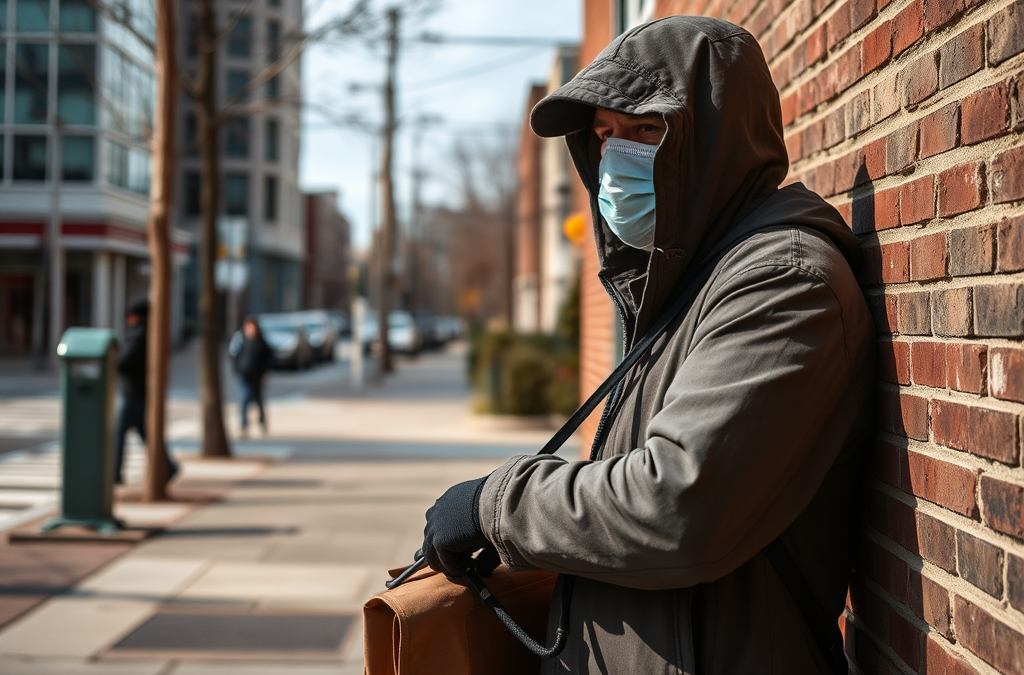
Neglecting personal security during crises significantly increases the risk of theft, violence, and other harmful outcomes. Individuals often find themselves in vulnerable situations when they fail to assess their surroundings or ignore signs of potential danger. For example, during natural disasters or civil unrest, looters may take advantage of weakened security measures, leading to property loss and emotional trauma for victims.
Moreover, crises can create chaotic environments where standard safety protocols break down. Understanding these risks is crucial for anyone looking to maintain their safety and security. Failure to secure personal belongings and ensure a safe environment can exacerbate the negative impact of a crisis, making it essential to prioritize security measures.
Common Mistakes in Personal Security
Many individuals underestimate the importance of personal security, particularly during crises. A common mistake is assuming that their surroundings are safe without taking proactive measures. For instance, during a power outage following a storm, people may leave their doors unlocked or fail to secure valuables, making them easy targets for opportunistic criminals.
Another prevalent error is neglecting to create an emergency plan. Without a clear strategy, individuals may panic during a crisis, leading to disorganized responses that compromise their safety. A well-thought-out plan includes identifying safe locations, communication methods, and essential supplies, which can significantly reduce risk during emergencies.
Practical Security Measures to Implement
Implementing practical security measures is vital for mitigating risks during crises. First, enhance your situational awareness by staying informed about local conditions and potential threats. Utilize resources such as community alert systems or news outlets to remain updated on emergencies.
Second, develop a comprehensive emergency plan that outlines safety protocols, including evacuation routes and communication strategies. Ensure all household members are familiar with the plan and conduct regular drills to reinforce preparedness.
Lastly, secure your environment by reinforcing entry points, using locks, and installing security cameras or alarm systems. These measures not only deter criminals but also provide peace of mind during uncertain times.
The Psychological Impact of Security Neglect
Neglecting personal security during crises can lead to significant psychological distress. Individuals may experience anxiety, fear, and a sense of helplessness, especially if they have faced theft or violence. This emotional toll can hinder recovery efforts and create long-lasting mental health challenges.
Addressing these psychological impacts is essential. Engaging in community support networks can provide individuals with resources and reassurance, helping them cope with the emotional fallout of security neglect. Additionally, practicing stress-reduction techniques, such as mindfulness or counseling, can aid in managing anxiety and rebuilding a sense of safety.
Frequently Asked Questions
What are the main risks of neglecting personal security during a crisis?
Neglecting personal security can lead to increased vulnerability to theft, physical harm, and psychological distress.
How can I improve my personal security in a crisis?
Enhance situational awareness, develop a clear emergency plan, and secure your environment with locks and alarms.
What are common mistakes people make regarding personal security?
Common mistakes include underestimating risks, failing to secure belongings, and not having an emergency plan.
How does neglecting security affect mental health?
It can lead to anxiety, fear, and a sense of helplessness, especially after experiencing theft or violence.
Offers resources and training for emergency preparedness and personal safety
Conclusion
Addressing personal security during crises is crucial for safeguarding both physical safety and mental well-being. By understanding the risks, avoiding common mistakes, and implementing practical security measures, individuals can significantly reduce their vulnerability. It is essential to create a comprehensive emergency plan and engage in community support to foster resilience. Prioritizing security not only protects against immediate threats but also contributes to long-term peace of mind.
Emergency preparedness for pets involves having a comprehensive plan that ensures their safety during unexpected situations like natural disasters, accidents, or health crises. Knowing how to prepare for emergencies with pets can significantly reduce stress and increase the likelihood of a successful response. A well-prepared owner can mitigate risks, protect their pets, and ensure they have the necessary resources to cope with emergencies.
One of the common misconceptions is that pets can simply be left to fend for themselves during emergencies. However, pets depend on their owners for safety and security. When creating an emergency plan, consider the unique needs of your pets, such as dietary restrictions, medical conditions, and behavioral tendencies. These factors will guide your preparation efforts and help you avoid pitfalls that could compromise your pet’s wellbeing.
Essential Supplies for Pet Emergency Kits
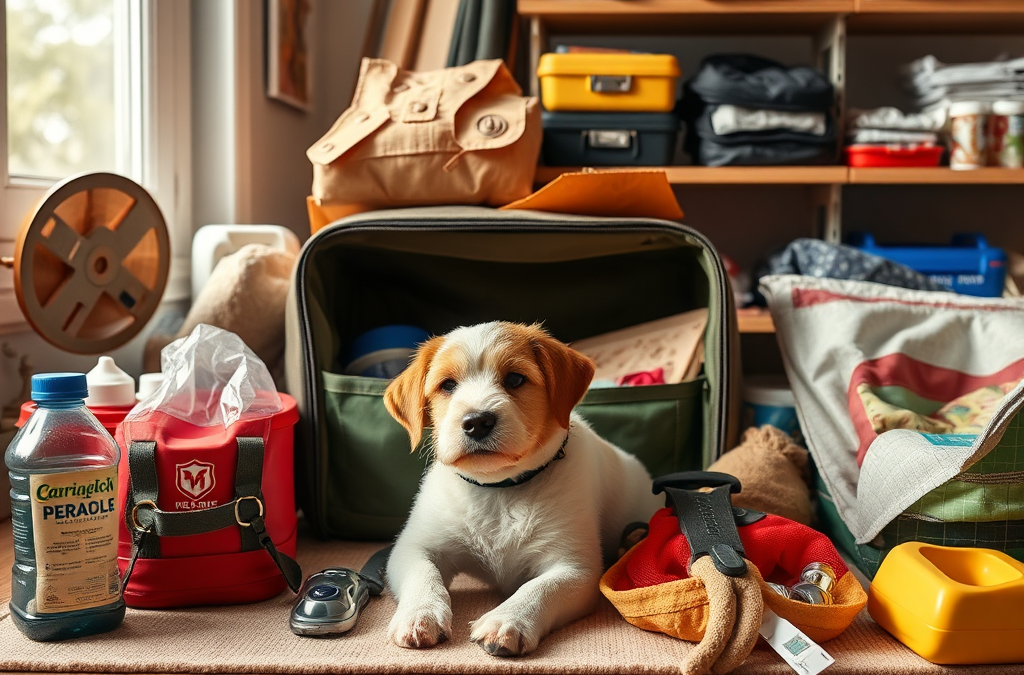
Having an emergency kit specifically designed for your pets is crucial. This kit should include essential supplies that cater to their needs. Key items to include are:
Food and Water: Pack enough non-perishable food and fresh water for at least three days. Consider their dietary preferences and any allergies.
Medications: Store any prescription medications and a list of your pet’s medical history, including vaccination records.
First Aid Kit: Include basic first aid supplies tailored for pets, such as bandages, antiseptic wipes, and tweezers for removing splinters or ticks.
Identification: Ensure your pets are microchipped and have ID tags with up-to-date contact information.
Comfort Items: Bring along familiar items like toys, bedding, or blankets to help reduce anxiety during stressful situations.
It’s important to regularly check and update these supplies to ensure they remain usable and relevant. A common mistake is overlooking expiration dates on food and medications, which can render them ineffective when needed most.
Creating an Evacuation Plan for Your Pets
Developing an evacuation plan is essential for ensuring your pets can be safely transported during an emergency. Start by identifying potential evacuation routes from your home to safe locations, such as friends’ houses, shelters, or veterinary clinics. Make sure these locations are pet-friendly and confirm their policies in advance.
Practice the evacuation plan by getting your pets used to their carriers or leashes. Familiarize them with the sound of a whistle or a specific command that signals it’s time to go. This preparation can help minimize panic and confusion when an emergency actually occurs. Additionally, consider creating a checklist to follow during an evacuation. This should include:
Gathering your emergency kit
Ensuring all pets are accounted for
Securing your home as much as possible
Following your planned evacuation route
Regular drills can help reinforce this plan, making it second nature for both you and your pets to respond effectively during a crisis.
Training Your Pets for Emergencies
Training your pets to respond appropriately during emergencies is a crucial aspect of preparation. Begin by teaching them basic commands such as “come,” “stay,” and “leave it.” These commands can be invaluable in ensuring your pets remain calm and responsive when under stress.
Consider desensitizing your pets to various emergency scenarios, such as loud noises or sudden movements. Gradually expose them to these situations in a controlled environment, rewarding them for calm behavior. Another effective method is to practice crate training, as this provides a secure space for your pets during emergencies.
One common mistake is assuming that pets will instinctively know how to behave during a crisis. In reality, their reactions can be unpredictable without prior training. By investing time in training, you can help ensure your pets are better equipped to handle emergencies and remain safe.
Frequently Asked Questions
What should I include in my pet's emergency kit?
Your pet's emergency kit should include food, water, medications, a first aid kit, identification, and comfort items.
How can I prepare my pet for evacuation?
Familiarize your pet with their carrier, practice evacuation routes, and use specific commands to guide them during emergencies.
Why is training important for pets during emergencies?
Training helps pets respond calmly and effectively in stressful situations, reducing panic and ensuring their safety.
How often should I update my pet's emergency supplies?
Regularly check and update your pet's emergency supplies every six months or whenever there are changes in their health or needs.
What are common mistakes pet owners make in emergency planning?
Common mistakes include neglecting to include essential supplies, failing to practice evacuation plans, and not ensuring pets are properly identified.
ASPCA offers comprehensive guidelines on creating a disaster plan for pets, including supplies and training recommendations
Conclusion
Preparing for emergencies with pets requires careful planning and proactive measures. Prioritize creating a comprehensive emergency kit, developing an evacuation plan, and training your pets to respond appropriately under stress. By taking these steps, you can enhance both your and your pet’s safety and well-being during unforeseen circumstances.