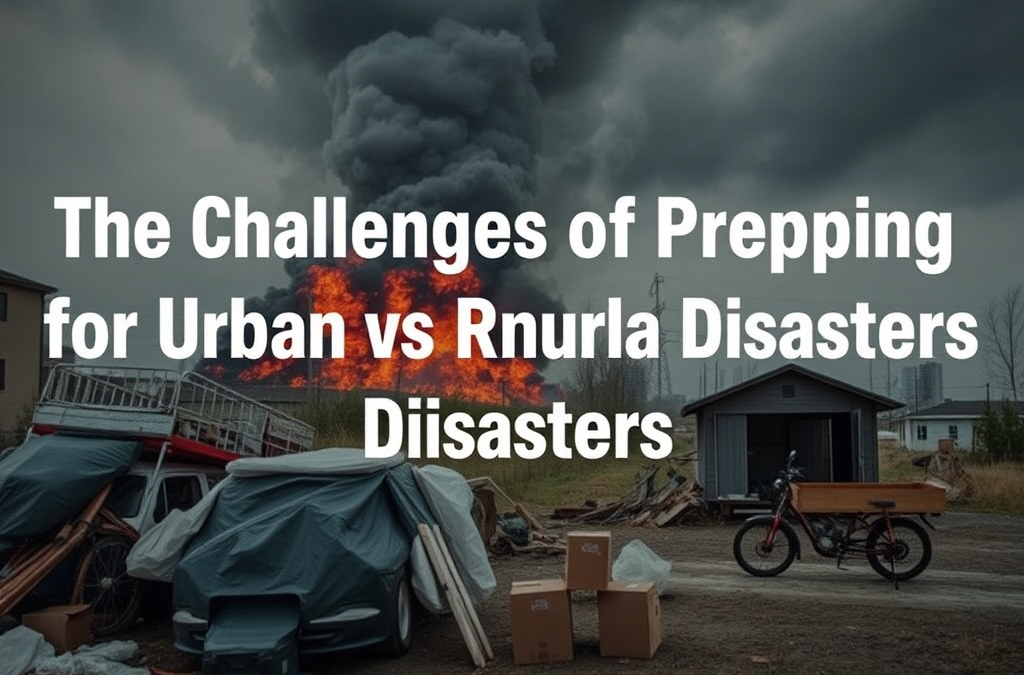
Urban areas present unique challenges disaster preparedness due to their high population density, complex infrastructure, and potential for widespread chaos during emergencies. With many people concentrated in a small area, the risk of panic and disorder increases dramatically. Urban environments often struggle with overcrowded emergency services, which can lead to delays in response times during critical situations.
Moreover, urban infrastructure, including public transportation, utilities, and communication systems, can be highly susceptible to damage. For instance, if a major earthquake were to strike a city, the resulting damage could cripple essential services like water supply and electricity. Additionally, urban residents may have limited options for evacuation due to traffic congestion and the lack of clear routes. Thus, effective urban disaster preparedness must prioritize community communication, evacuation planning, and resource allocation to mitigate these risks.
Rural Challenges in Disaster Preparedness
In contrast to urban settings, rural areas face their own set of challenges in disaster preparedness. One significant issue is the limited access to emergency services and resources, which can be exacerbated by long distances to hospitals or emergency response units. For example, in the event of a natural disaster like a flood or wildfire, rural residents may find themselves isolated and without immediate assistance.
Furthermore, rural communities often rely on local resources that may be insufficient during a crisis. Small towns may lack the infrastructure to support large-scale evacuations or the means to provide adequate supplies for their residents. This can lead to increased vulnerability during disasters, necessitating the need for rural residents to take proactive measures in their preparedness plans, such as establishing community networks and stockpiling essential supplies.
Strategies for Effective Disaster Preparedness
Developing effective disaster preparedness strategies requires a tailored approach, considering the unique challenges of both urban and rural environments. For urban areas, fostering community engagement is vital. Initiatives like community drills and information sessions can help residents understand emergency protocols and resources available to them.
In rural settings, building strong community ties can enhance preparedness efforts. Neighbors can collaborate to create response plans, share resources, and establish communication channels for emergencies. Additionally, maintaining a well-stocked emergency kit with food, water, medical supplies, and communication devices is crucial for both urban and rural residents. This proactive approach can significantly increase resilience against various disaster scenarios.
Comparison of Urban and Rural Preparedness
When comparing urban and rural disaster preparedness, it’s essential to recognize that both settings have distinct advantages and disadvantages. Urban areas tend to have more resources and infrastructure, allowing for potentially quicker access to emergency services. However, the high population density can lead to chaos, which complicates evacuation and resource distribution.
In contrast, rural areas may benefit from a stronger sense of community and lower population density, which can facilitate communication and collaboration among residents. However, the lack of immediate access to resources and emergency services poses significant risks. Recognizing these differences can help individuals tailor their preparedness plans effectively, ensuring they are ready for whatever challenges may arise.
Frequently Asked Questions
What are the key differences between urban and rural disaster preparedness?
Urban areas face challenges such as high population density and potential chaos during emergencies, while rural areas struggle with limited access to emergency services and resources.
How can urban residents prepare for disasters?
Urban residents can prepare by engaging in community drills, understanding emergency protocols, and maintaining well-stocked emergency kits.
What should rural residents focus on for disaster preparedness?
Rural residents should focus on building strong community ties, collaborating on response plans, and stockpiling essential supplies.
Why is community engagement important in disaster preparedness?
Community engagement fosters communication, resource sharing, and coordinated response efforts, which are crucial during emergencies.
What are some common mistakes in disaster preparedness?
Common mistakes include failing to create an emergency plan, underestimating the need for supplies, and not involving the community in preparedness efforts.
Offers disaster preparedness resources, including emergency kits and community planning tips
Conclusion
Understanding the challenges of prepping for urban vs rural disasters is essential for effective preparedness. Urban residents must navigate high population densities and infrastructure vulnerabilities, while rural residents face limited access to resources and emergency services. By tailoring preparedness strategies to these unique challenges, individuals can enhance their resilience and readiness for various disaster scenarios. Prioritizing community engagement, maintaining well-stocked emergency kits, and developing clear communication channels are practical steps that can significantly improve outcomes during crises.
Food safety risks increase significantly during emergencies due to power outages, lack of clean water, and limited access to refrigeration. Understanding these risks helps individuals prioritize food safety measures. For instance, when electricity is lost, perishable foods can spoil rapidly, leading to foodborne illnesses. Being aware of these challenges allows for proactive measures to mitigate risks.
Common emergencies include natural disasters like hurricanes or floods, which can disrupt supply chains and access to clean food and water. In such situations, it’s crucial to have a plan for food safety, including identifying which foods can be safely stored and consumed after an emergency. A well-prepared emergency kit with food safety guidelines can make a significant difference.
Essential Food Storage Practices
Proper food storage is vital in maintaining food safety during emergencies. Start by organizing a well-stocked pantry with non-perishable items such as canned goods, dried fruits, and grains. These foods have a long shelf life and are less likely to spoil. Additionally, store them in a cool, dry place to prevent deterioration.
For perishable items, refrigeration is essential. If the power goes out, try to keep the refrigerator door closed to maintain the temperature for as long as possible. A full freezer can keep its temperature for up to 48 hours, while a half-full freezer will only last about 24 hours. Knowing how long food can safely remain at unsafe temperatures is critical to prevent food waste and illness.
Preventing Cross-Contamination
Cross-contamination is a significant risk during food preparation, especially in emergencies when resources may be limited. To prevent this, always wash your hands with soap and water before handling food. Use separate cutting boards, utensils, and plates for raw and cooked foods to minimize the risk of contamination.
In addition, keep raw meat and poultry stored on the bottom shelf of the refrigerator to avoid drips onto other foods. This practice is crucial in emergency situations where food supplies may be limited and the risk of foodborne illness is heightened. Understanding and implementing these practices can significantly reduce the chance of illness during stressful times.
Monitoring Food Temperatures
Monitoring food temperatures is essential in ensuring food safety during emergencies. The danger zone for food temperatures is between 40°F (4°C) and 140°F (60°C), where bacteria can grow rapidly. When the power goes out, use a food thermometer to check the temperature of stored foods.
Any perishable food that has been above 40°F for more than two hours should be discarded. It’s also important to have a backup plan for cooking food, such as using a camping stove or portable grill, ensuring that food reaches safe cooking temperatures to eliminate harmful bacteria.
Frequently Asked Questions
What should I do with food after a power outage?
Check the temperature of perishable foods. Discard any items that have been above 40°F for more than two hours.
How can I prepare my food for an emergency?
Stock up on non-perishable foods, keep a manual can opener, and ensure you have a safe water supply. Organize your pantry for easy access.
What foods are safest to eat during an emergency?
Non-perishable foods like canned goods, dried fruits, and grains are safest. Cooked foods should be consumed first if refrigeration is lost.
How long can food stay safe in the refrigerator during a power outage?
Food can remain safe in the refrigerator for about four hours if the door is kept closed. After that, temperatures may rise above safe levels.
Can I use food that has been frozen and thawed?
If food has thawed in the refrigerator and is still cold (below 40°F), it is safe to refreeze or cook. If it has been above 40°F for more than two hours, discard it.
Public health nutrition guidance and educational resources
Conclusion
Maintaining food safety during emergencies requires careful planning and awareness of potential risks. By understanding food storage practices, preventing cross-contamination, and monitoring temperatures, individuals can protect themselves and their families from foodborne illnesses. Prioritizing these steps ensures that food remains safe to consume, even in challenging situations.
Involving children in preparedness drills is crucial for several reasons. First, children are often more vulnerable during emergencies due to their limited understanding and experience. By including them in drills, they gain familiarity with emergency procedures, which can significantly enhance their confidence and ability to react appropriately. Furthermore, teaching children about emergency preparedness can instill lifelong skills and awareness, ultimately contributing to community resilience.
Many parents underestimate the importance of preparing their children for potential emergencies. This oversight can lead to a disconnect between what adults perceive as necessary and what children need to understand. By actively engaging children in preparedness drills, families can cultivate a shared understanding of safety protocols, ensuring everyone is on the same page during a crisis.
Potential Psychological Impacts
Excluding children from preparedness drills can have profound psychological effects. Children may develop heightened anxiety and fear surrounding emergencies if they are not adequately prepared. When they lack knowledge about what to expect, their imagination can run wild, leading to irrational fears that may hinder their ability to cope during actual events.
For instance, a child who has never participated in a fire drill may panic when they hear an alarm, unsure of what actions to take. Conversely, children who have practiced these scenarios develop a sense of control and agency, reducing fear and anxiety. This psychological readiness is essential for effective response during real emergencies.
Practical Risks of Exclusion
Not including children in preparedness drills also presents practical risks. In an emergency, children may be confused about their role and the actions they need to take, which can lead to chaos and hinder effective evacuation or response. For example, if a child has not learned where to meet family members post-evacuation, they may wander off, putting themselves in danger.
Moreover, children who have not been trained in emergency procedures may inadvertently complicate rescue efforts. First responders may waste valuable time trying to locate and assist unprepared children who do not know how to follow basic safety protocols. Therefore, integrating children into preparedness efforts not only benefits their individual safety but also supports broader community emergency response.
Strategies for Effective Drills
To ensure children are well-prepared, consider implementing age-appropriate drills that cater to their understanding and capabilities. Use engaging methods such as role-playing or interactive games that make learning about emergencies fun and memorable. Additionally, involve children in discussions about safety plans, encouraging them to ask questions and express their concerns.
Regularly scheduled drills should be part of family routines, allowing children to become accustomed to the procedures. It is also beneficial to provide feedback after each drill, discussing what went well and areas for improvement. This approach not only reinforces learning but also empowers children to take an active role in their safety.
Frequently Asked Questions
Why should children be included in preparedness drills?
Including children in preparedness drills helps them understand emergency procedures, reducing anxiety and confusion during real situations.
What are the psychological risks of not preparing children?
Children may develop irrational fears and anxiety about emergencies if they are not included in preparedness efforts.
How can families effectively prepare their children for emergencies?
Families can prepare children by involving them in engaging drills, discussing safety plans, and providing regular feedback on their performance.
What practical risks arise from excluding children from drills?
Excluding children can lead to confusion, panic, and potentially dangerous situations during emergencies, as they may not know how to respond.
What strategies can make drills more effective for children?
Using role-playing, interactive games, and regular feedback can enhance children's learning and make preparedness drills more effective.
National preparedness resources for planning, mitigation, and response readiness
Conclusion
Including children in preparedness drills is essential for fostering confidence, reducing anxiety, and enhancing overall safety during emergencies. Families should prioritize regular practice and open discussions about safety protocols to ensure children are well-equipped to handle crises. By actively engaging children in these efforts, communities can create a more resilient environment where everyone knows their role and feels secure.