
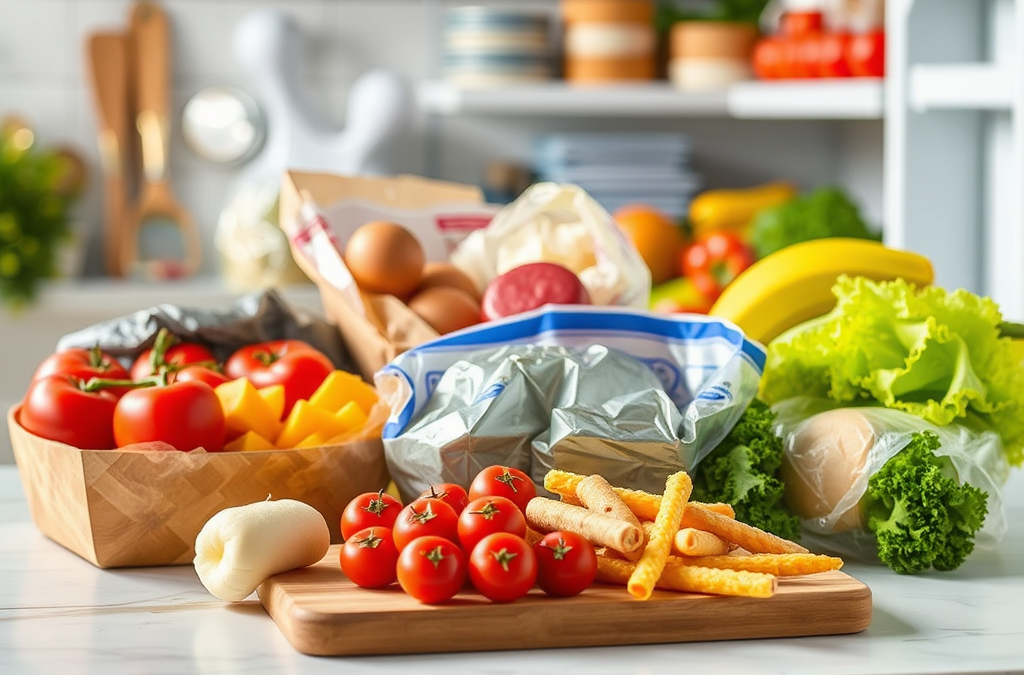
To maintain food safety during emergencies, it is essential to implement effective food storage and handling practices. Start by organizing a supply of non-perishable foods, such as canned goods and grains, in a cool, dry area. For perishable items, keep your refrigerator closed during power outages to preserve temperature, as a full freezer can maintain its safety for up to 48 hours. Always wash your hands before food preparation and use separate utensils to avoid cross-contamination. Being proactive about these measures can significantly reduce the risk of foodborne illnesses during emergencies.
Understanding Food Safety Risks in Emergencies
Food safety risks increase significantly during emergencies due to power outages, lack of clean water, and limited access to refrigeration. Understanding these risks helps individuals prioritize food safety measures. For instance, when electricity is lost, perishable foods can spoil rapidly, leading to foodborne illnesses. Being aware of these challenges allows for proactive measures to mitigate risks.
Common emergencies include natural disasters like hurricanes or floods, which can disrupt supply chains and access to clean food and water. In such situations, it’s crucial to have a plan for food safety, including identifying which foods can be safely stored and consumed after an emergency. A well-prepared emergency kit with food safety guidelines can make a significant difference.
Essential Food Storage Practices
Proper food storage is vital in maintaining food safety during emergencies. Start by organizing a well-stocked pantry with non-perishable items such as canned goods, dried fruits, and grains. These foods have a long shelf life and are less likely to spoil. Additionally, store them in a cool, dry place to prevent deterioration.
For perishable items, refrigeration is essential. If the power goes out, try to keep the refrigerator door closed to maintain the temperature for as long as possible. A full freezer can keep its temperature for up to 48 hours, while a half-full freezer will only last about 24 hours. Knowing how long food can safely remain at unsafe temperatures is critical to prevent food waste and illness.

Preventing Cross-Contamination
Cross-contamination is a significant risk during food preparation, especially in emergencies when resources may be limited. To prevent this, always wash your hands with soap and water before handling food. Use separate cutting boards, utensils, and plates for raw and cooked foods to minimize the risk of contamination.
In addition, keep raw meat and poultry stored on the bottom shelf of the refrigerator to avoid drips onto other foods. This practice is crucial in emergency situations where food supplies may be limited and the risk of foodborne illness is heightened. Understanding and implementing these practices can significantly reduce the chance of illness during stressful times.
Monitoring Food Temperatures
Monitoring food temperatures is essential in ensuring food safety during emergencies. The danger zone for food temperatures is between 40°F (4°C) and 140°F (60°C), where bacteria can grow rapidly. When the power goes out, use a food thermometer to check the temperature of stored foods.
Any perishable food that has been above 40°F for more than two hours should be discarded. It’s also important to have a backup plan for cooking food, such as using a camping stove or portable grill, ensuring that food reaches safe cooking temperatures to eliminate harmful bacteria.
Frequently Asked Questions
What should I do with food after a power outage?
Check the temperature of perishable foods. Discard any items that have been above 40°F for more than two hours.
How can I prepare my food for an emergency?
Stock up on non-perishable foods, keep a manual can opener, and ensure you have a safe water supply. Organize your pantry for easy access.
What foods are safest to eat during an emergency?
Non-perishable foods like canned goods, dried fruits, and grains are safest. Cooked foods should be consumed first if refrigeration is lost.
How long can food stay safe in the refrigerator during a power outage?
Food can remain safe in the refrigerator for about four hours if the door is kept closed. After that, temperatures may rise above safe levels.
Can I use food that has been frozen and thawed?
If food has thawed in the refrigerator and is still cold (below 40°F), it is safe to refreeze or cook. If it has been above 40°F for more than two hours, discard it.
Further Reading
Authoritative Sources
- NIH Office of Dietary Supplements
ods.od.nih.govEvidence-based information on vitamins, minerals, supplements, and nutrition-related questions
- USDA FoodData Central
fdc.nal.usda.govUSDA nutrient data for foods and ingredients used in nutrition decisions
- Harvard T.H. Chan School of Public Health Nutrition Source
hsph.harvard.eduPublic health nutrition guidance and educational resources
Conclusion
Maintaining food safety during emergencies requires careful planning and awareness of potential risks. By understanding food storage practices, preventing cross-contamination, and monitoring temperatures, individuals can protect themselves and their families from foodborne illnesses. Prioritizing these steps ensures that food remains safe to consume, even in challenging situations.
Related Content
- How to Balance Skill Development with Supply Acquisition: Practical Steps for Effective Preparation
- Surviving the Storm: How to Create a Family Emergency Plan
- Premade First Aid Kit Gaps Preppers Should Address—A Practical Restocking Checklist
- Contact Schedules That Reduce Congestion During Outages: A Practical Communication Plan
- Preparedness…Don’t Even Bother!




