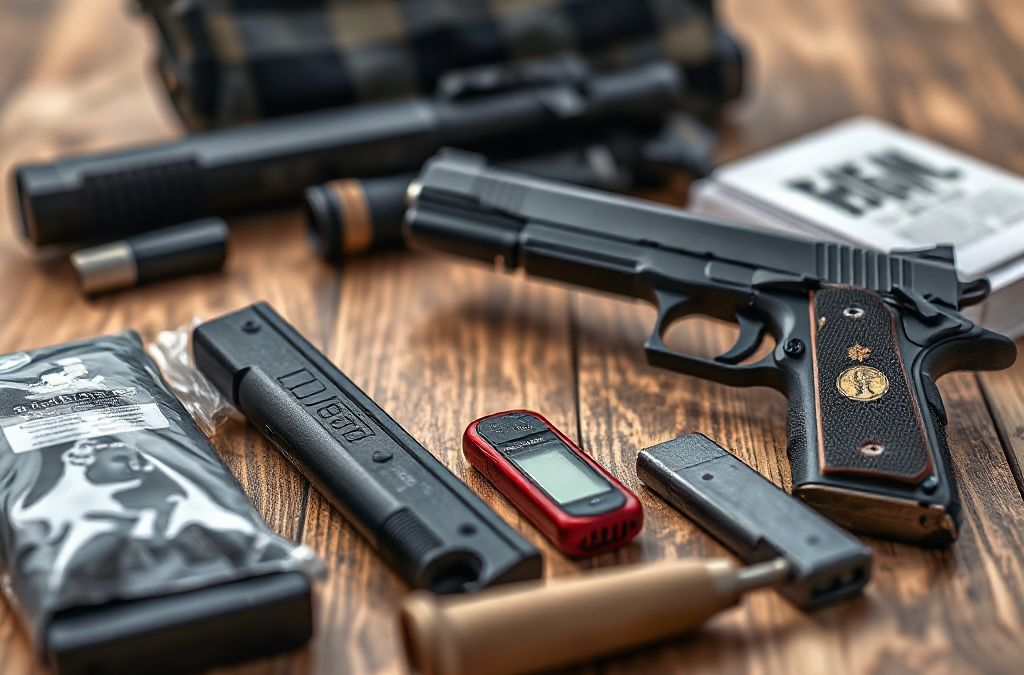
Local self-defense laws are critical to understanding what personal protection measures are permissible in a given area. These laws can vary significantly from one jurisdiction to another, affecting everything from the types of weapons permitted to the legal definitions of self-defense. For example, some states allow for the open carry of firearms, while others impose strict regulations on concealed carry. Understanding these nuances is essential for anyone considering self-defense supplies.
Moreover, local laws often reflect the community’s values and concerns regarding safety and crime. For instance, areas with higher crime rates might have more lenient laws regarding self-defense weapons, while others may impose stricter regulations. Familiarizing oneself with these laws not only helps in compliance but also informs individuals about their rights and responsibilities concerning self-defense.
Types of Self-Defense Supplies and Their Regulations
The types of self-defense supplies available to individuals can include firearms, pepper spray, stun guns, and personal alarms, each governed by different regulations. Firearms, for example, often require permits, background checks, and registration, reflecting the stringent regulations surrounding their use. In contrast, items like pepper spray may have fewer restrictions but can still be subject to local laws regarding size and concentration.
For instance, in some states, carrying a stun gun is legal, but it may be restricted in certain public spaces such as schools or government buildings. Understanding the specific laws that apply to each type of self-defense supply is crucial to ensure compliance and avoid legal issues.
Consequences of Non-Compliance
Failing to comply with local laws regarding self-defense supplies can lead to severe consequences, including criminal charges, fines, and potential imprisonment. For example, possessing a firearm without the necessary permits can result in felony charges, which may carry significant penalties. Additionally, using a self-defense supply in a manner deemed unlawful can lead to civil liability, further complicating the legal landscape for individuals.
Moreover, violations can have long-lasting repercussions, affecting an individual’s ability to purchase firearms or self-defense items in the future. Understanding the potential consequences of non-compliance underscores the importance of staying informed about local regulations and adhering to them strictly.
Practical Considerations for Compliance
To ensure compliance with local laws regarding self-defense supplies, individuals should take several practical steps. First, it is advisable to research local laws thoroughly, including any recent changes or updates. This can often be done through official government websites or local law enforcement agencies.
Second, individuals should consider attending workshops or training sessions on self-defense, which can provide valuable insights into legal rights and responsibilities. These sessions often cover not only the legal aspects but also practical applications of self-defense supplies in real scenarios.
Lastly, consulting with legal professionals who specialize in self-defense law can provide tailored advice and help navigate complex legal issues. By taking these steps, individuals can better equip themselves to make informed decisions about their self-defense supplies while remaining compliant with local laws.
Frequently Asked Questions
What types of self-defense supplies are legal in my area?
The legality of self-defense supplies varies by location; check local laws for specifics on firearms, pepper spray, and other items.
How can I find out about local self-defense laws?
Consult local government websites or legal resources to stay updated on self-defense laws in your area.
What are the penalties for violating self-defense supply laws?
Penalties can include fines, confiscation of supplies, and even criminal charges, depending on the violation.
Do I need a permit for self-defense weapons?
Many jurisdictions require permits for firearms; however, regulations for other self-defense supplies may vary.
Can I use self-defense supplies in any situation?
Self-defense supplies should only be used in life-threatening situations; misuse can lead to legal consequences.
This organization offers insights into gun violence prevention and related legal resources
Conclusion
Understanding the impact of local laws on self-defense supplies is essential for anyone interested in personal protection. Individuals must stay informed about regulations to ensure compliance and avoid severe penalties. By taking proactive steps such as researching local laws, attending training sessions, and consulting legal experts, individuals can make informed decisions about their self-defense supplies while adhering to legal requirements.
Winter months can bring severe weather conditions, leading to power outages that disrupt daily life. Understanding these risks is essential for effective preparedness. Ice storms, heavy snowfall, and high winds can down power lines, causing extended outages. In regions prone to such conditions, knowing the specific risks can help you prioritize your preparations.
One common misconception is that power outages are short-lived and manageable. In reality, outages can last for days, especially during severe winter storms. This reality underscores the importance of having a robust emergency plan and adequate supplies to sustain yourself and your family during prolonged outages.
Essential Supplies for Winter Preparedness
Having the right supplies is crucial for surviving winter power outages. Start by creating an emergency supply kit that includes non-perishable foods, bottled water, a flashlight, batteries, a first aid kit, and personal hygiene items. Consider items like canned goods, dried fruits, and nuts as they have a long shelf life and require no cooking.
Additionally, include blankets and warm clothing in your kit to maintain body heat. A battery-powered or hand-crank radio can provide critical updates during an outage, while a multi-tool can assist with various tasks. Regularly check your supplies and replace expired items to ensure they are ready when needed.
Heating Alternatives During Outages
Maintaining warmth during a winter power outage is vital for safety. Explore heating alternatives such as portable propane heaters or wood stoves, ensuring they are used in well-ventilated areas to prevent carbon monoxide buildup. If using a generator, follow safety protocols to avoid electrical hazards.
Consider insulating your home effectively to retain heat. Use heavy curtains, draft stoppers, and weather stripping on doors and windows to minimize heat loss. This approach not only keeps your living space warmer but also reduces the energy needed to maintain a comfortable environment when power is restored.
Communication and Emergency Plans
Establishing a communication plan is essential for staying informed during power outages. Share your plan with family members, ensuring everyone knows how to reach each other in case of an emergency. Keep a list of important contacts, including local emergency services, neighbors, and family members.
Additionally, consider designating a meeting place where family members can gather if separated. Regularly review and practice your emergency plan to ensure everyone is prepared and knows what to do during a power outage. Awareness and preparation can significantly reduce panic and confusion during an actual event.
Frequently Asked Questions
What should I include in my winter power outage kit?
Your kit should include non-perishable food, water, blankets, a flashlight, batteries, a first aid kit, and personal hygiene items.
How can I keep warm during a power outage?
Use alternative heating sources like propane heaters or wood stoves, ensuring they are well-ventilated, and insulate your home effectively to retain heat.
How long can power outages last in winter?
Power outages can last from a few hours to several days, depending on the severity of the weather conditions and the extent of damage to power infrastructure.
What is the best way to stay informed during an outage?
Keep a battery-powered or hand-crank radio to receive updates and alerts from local authorities during an outage.
Why is it important to have a communication plan?
A communication plan ensures that family members can reach each other and stay informed about safety measures during an emergency.
Academic search resource for finding research literature and source material
Conclusion
Preparing for power outages during winter months involves understanding the risks, gathering essential supplies, finding heating alternatives, and developing a communication plan. Prioritize stocking non-perishable food, water, and blankets while ensuring your home is insulated against the cold. By taking these proactive steps, you can enhance your safety and comfort during winter outages, reducing the impact on your daily life.
Understanding Inadequate Water Purification Methods
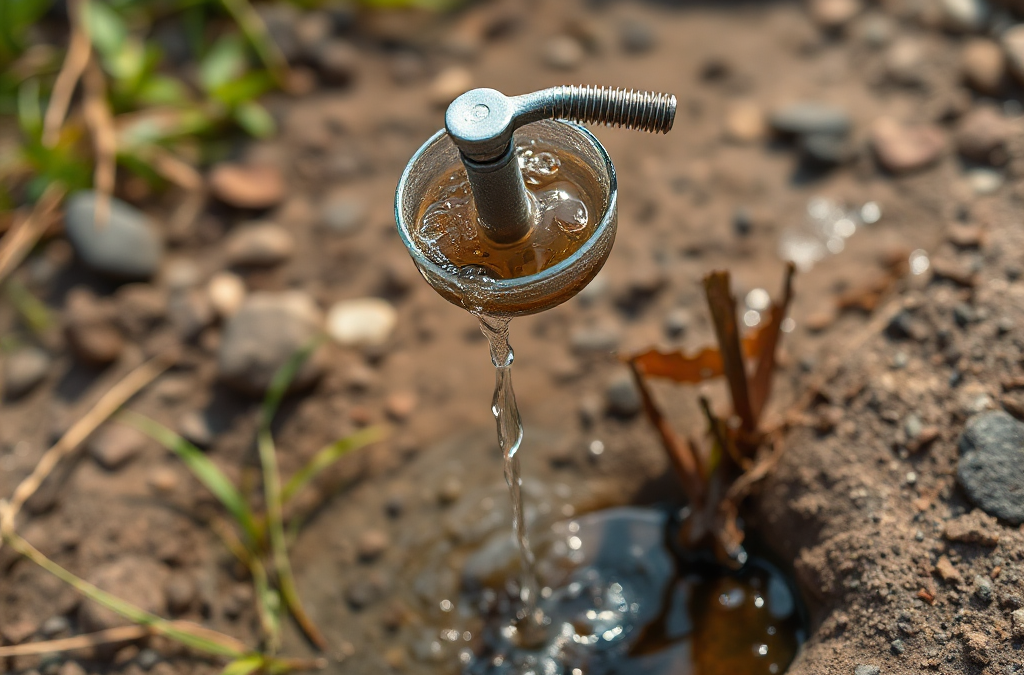
Inadequate water purification methods refer to techniques that fail to effectively remove contaminants from drinking water. This can include outdated filtration systems, reliance on chemical treatments that are ineffective against certain pathogens, or even the absence of any purification process. The importance of effective water purification cannot be overstated, as it serves as the first line of defense against various contaminants that can pose significant health risks. Commonly used methods like boiling or basic filtration may not eliminate all harmful substances, leading to the potential for serious consequences.
Many people underestimate the complexity of water purification, assuming that simple filtration or boiling is sufficient. Unfortunately, these methods often overlook specific contaminants such as heavy metals, pesticides, or viruses. Understanding the limitations of these approaches is essential for recognizing the need for more advanced purification systems.
Health Risks Associated with Poor Water Quality
The health risks associated with inadequate water purification are numerous and can be severe. Waterborne diseases, such as cholera, giardiasis, and dysentery, are often linked to contaminated water sources. These diseases can lead to chronic health problems, severe gastrointestinal issues, and, in extreme cases, death. Vulnerable populations, including children and the elderly, are particularly at risk.
Moreover, exposure to heavy metals like lead and arsenic, often found in poorly treated water, can result in long-term health issues, including neurological damage and developmental delays in children. The inability to eliminate harmful chemicals from agricultural runoff can also lead to acute poisoning or chronic health conditions. Understanding these risks emphasizes the critical need for reliable water purification methods.
Environmental Consequences of Inadequate Purification
Inadequate water purification not only affects human health but also poses significant environmental risks. Contaminated water can lead to the degradation of aquatic ecosystems, affecting fish and wildlife populations. Pollutants can accumulate in the food chain, leading to broader ecological imbalances.
Furthermore, the discharge of untreated or poorly treated wastewater into natural bodies of water can harm local flora and fauna, disrupt habitats, and contribute to the proliferation of harmful algae blooms. These blooms can produce toxins that further threaten aquatic life and human health. Effective water purification is essential not only for safeguarding human health but also for protecting our delicate ecosystems.
Effective Water Purification Techniques
To mitigate the risks associated with inadequate water purification, it is vital to adopt effective purification techniques. Advanced filtration systems, such as reverse osmosis and UV disinfection, are effective in removing a wide range of contaminants, including bacteria, viruses, and heavy metals. These systems offer a comprehensive approach to water purification, ensuring that drinking water is safe and clean.
Additionally, regular maintenance and monitoring of water purification systems are crucial to ensure their effectiveness. Users should also be educated on the importance of testing their water for contaminants, especially in areas with known pollution issues. By prioritizing advanced purification methods and ongoing education, communities can significantly reduce the health and environmental risks associated with inadequate water purification methods.
Frequently Asked Questions
What are the main contaminants found in untreated water?
Main contaminants include bacteria, viruses, heavy metals, and chemical pollutants, which can pose serious health risks.
How can I test my water for contaminants?
You can use home testing kits available online or consult local health departments for comprehensive water testing services.
What are the signs of water contamination?
Signs include unusual taste or odor, discoloration, or the presence of sediment in the water.
How often should I purify my water?
Water should be purified before consumption, and purification systems should be regularly maintained for optimal effectiveness.
What are the best purification methods for home use?
Effective methods include reverse osmosis, UV purification, and activated carbon filters, depending on the contaminants present.
This site provides guidelines on safe water practices and the impact of water quality on health
Conclusion
Addressing the consequences of inadequate water purification methods is crucial for safeguarding both public health and the environment. By understanding the health risks and environmental impacts, individuals and communities can prioritize effective purification techniques. Implementing advanced filtration systems and ensuring regular maintenance can significantly reduce the chances of contamination. Communities must remain vigilant and proactive in tackling these issues to ensure access to safe, clean drinking water for all.