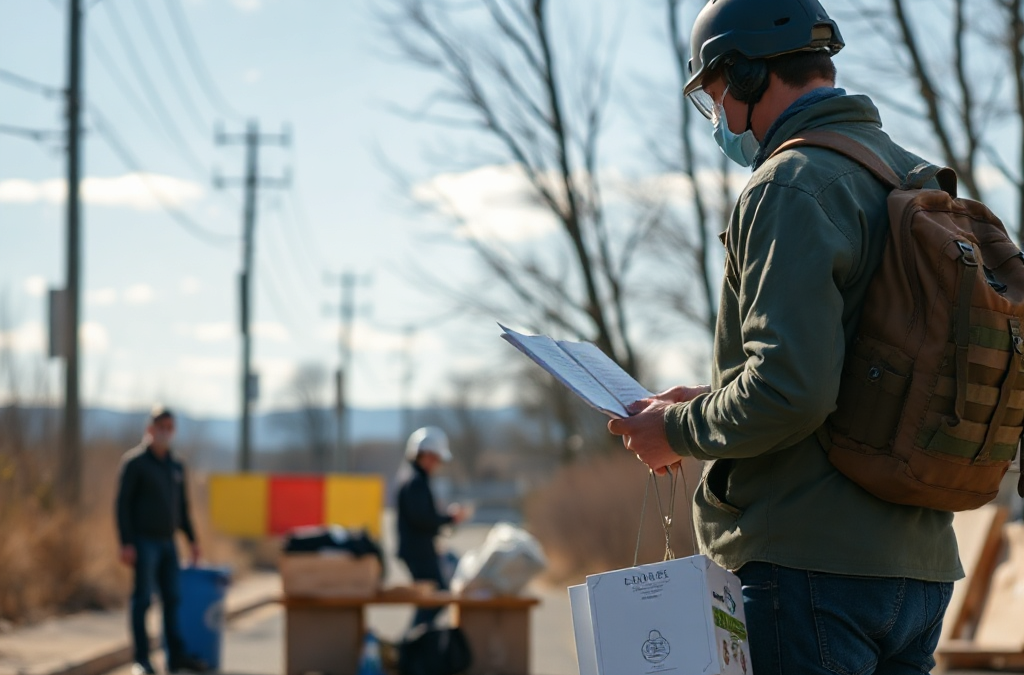
Resource sharing can present various risks that must be understood and managed effectively. These risks include exposure to fraud, theft, or misuse of shared resources, which can compromise personal safety. For example, sharing tools or supplies with unknown individuals can lead to liability issues if those items are misused or damaged. Recognizing these potential dangers is the first step in developing a balanced approach to resource sharing.
Moreover, the psychological aspect of sharing resources can also play a crucial role. Many individuals may feel uncomfortable or anxious about sharing their belongings, fearing that they may not be returned or could be damaged. It is important to acknowledge these feelings and create a supportive environment where all participants feel secure in their decisions to share resources.
Establishing Trust in Resource Sharing
Building trust is essential for successful resource sharing. This involves verifying the reliability and intentions of those you share with. One effective method is to create a vetting process, where potential resource sharers must provide references or demonstrate their commitment to responsible use. This not only helps ensure that shared resources are treated with care but also fosters a sense of community among participants.
In addition, establishing clear agreements regarding the terms of sharing is vital. These agreements should outline expectations for the use of resources, responsibilities for damages, and guidelines for communication. By setting these parameters, all parties involved can feel more secure and accountable, which ultimately enhances the overall safety of the resource-sharing experience.
Effective Communication Strategies
Effective communication is a cornerstone of balancing personal safety with resource sharing. Utilizing secure communication channels, such as encrypted messaging apps, can protect sensitive information from unauthorized access. This is particularly important when discussing logistics or sharing personal data related to the resources being exchanged.
Moreover, regular check-ins with participants can help monitor the status of shared resources and address any concerns that may arise. Open lines of communication foster transparency, allowing individuals to voice their apprehensions or suggestions. This proactive approach can prevent misunderstandings and reinforce trust among those involved in resource sharing.
Safety Protocols for Resource Sharing
Implementing safety protocols is crucial in ensuring that resource sharing is conducted securely. These protocols can include establishing guidelines for safe locations to exchange items, ensuring that meetings occur in public spaces, and encouraging participants to keep personal belongings secure during exchanges.
Additionally, providing training or resources on safe practices can empower participants to take responsibility for their safety and that of others. For instance, sharing tips on how to assess a situation for potential risks or how to handle conflicts can enhance the safety of the entire resource-sharing process.
Frequently Asked Questions
What are the primary risks associated with resource sharing?
The primary risks include fraud, theft, misuse of shared resources, and potential liability issues.
What communication strategies enhance safety in resource sharing?
Utilizing secure communication channels and maintaining open lines of communication for regular check-ins can enhance safety.
What safety protocols should I implement for resource sharing?
Implement protocols such as meeting in public spaces, securing personal belongings, and providing training on safe practices.
How can I address concerns about sharing my personal belongings?
Address concerns by creating a supportive environment, discussing apprehensions openly, and ensuring that clear agreements are in place.
Homemade survival supplies are often crafted by individuals based on personal preferences, available resources, and specific needs. The primary advantage of homemade supplies is customization; preppers can tailor items to meet their unique requirements, such as dietary restrictions or specific environmental conditions.
However, the quality and durability of homemade supplies can vary significantly. Many individuals may underestimate the time and effort required to develop effective survival gear and food supplies. For instance, a homemade water filtration system may not be as reliable as a commercially manufactured one, which is tested and certified for safety. Understanding these nuances is essential when considering homemade options.
Evaluating Store-Bought Survival Supplies
Store-bought survival supplies offer convenience and reliability, as they are typically manufactured to meet industry standards. These products often undergo rigorous testing to ensure safety and efficacy, making them a popular choice for preppers who prioritize assurance over customization.
However, store-bought items can be more expensive and may not always align with personal preferences. For example, a pre-packaged emergency food supply might contain ingredients that some individuals wish to avoid. Additionally, the reliance on commercial products can lead to a lack of self-sufficiency, which is a fundamental principle of effective preparedness. Therefore, it is crucial to balance the benefits of convenience with the need for personal autonomy in your survival strategy.
Comparative Analysis: Pros and Cons
When analyzing the issues with homemade versus store-bought survival supplies, several factors come into play:
Cost: Homemade supplies can be less expensive, but the initial investment of time and resources can be high. Store-bought supplies often come with a premium price tag, reflecting the convenience and reliability they offer.
Quality Control: Store-bought items are subject to quality standards, whereas homemade supplies may vary based on individual skill and resource availability.
Customization: Homemade supplies can be tailored to individual needs, while store-bought options may not offer the same level of personalization.
Convenience: Store-bought supplies are ready to use and require no preparation, while homemade items require time and effort to create.
Understanding these pros and cons is vital for making informed decisions about your survival supplies.
Practical Tips for Making the Right Choice
Choosing between homemade and store-bought survival supplies requires careful consideration of your specific circumstances. Start by assessing your immediate needs and environment. For example, if you live in an area prone to natural disasters, investing in reliable store-bought supplies may be wise.
For those interested in self-sufficiency, learning to create homemade supplies can be a valuable skill. Begin with simple items, such as first-aid kits or basic food preservation techniques, and gradually expand to more complex supplies. Keep in mind the importance of testing and validating homemade items to ensure their effectiveness.
Ultimately, the best approach often involves a blend of both homemade and store-bought supplies, allowing for customization while still ensuring reliability and quality.
Frequently Asked Questions
What are the main advantages of homemade survival supplies?
Homemade survival supplies offer customization to meet specific needs and can be less expensive to create, allowing for personal preferences.
Are store-bought survival supplies worth the investment?
Yes, store-bought supplies are often rigorously tested for safety and reliability, making them a dependable choice for emergency preparedness.
How do I decide between homemade and store-bought supplies?
Consider your specific needs, budget, available resources, and the importance of reliability versus customization in your survival plan.
Can I mix homemade and store-bought supplies?
Absolutely! A combination of both can provide the best of both worlds, allowing for personalization while ensuring quality and reliability.
What common mistakes should I avoid when preparing survival supplies?
Avoid overestimating your ability to create effective homemade supplies and ensure you validate their effectiveness through testing and research.
Provides resources and information on disaster preparedness, including survival supplies
Conclusion
Understanding the issues with homemade versus store-bought survival supplies is crucial for effective preparedness. Weighing the pros and cons of each option allows you to make informed decisions that align with your specific needs and circumstances. Prioritize reliability, quality, and personal preferences when selecting your supplies, and consider a balanced approach that incorporates both homemade and store-bought items for a comprehensive preparedness strategy.
Reliable sources for prepping advice must be credible and trustworthy. This means they should have a proven track record of providing accurate and practical information. Sources such as government agencies, educational institutions, and recognized experts in the field typically offer more reliable guidance than personal blogs or unverified online forums. The credibility of a source can be assessed by examining its history, the qualifications of its authors, and the presence of citations from reputable studies or publications.
For example, a government website like the Federal Emergency Management Agency (FEMA) provides guidelines and resources that are well-researched and vetted by experts. In contrast, anecdotal advice from social media may lack the necessary verification, making it less reliable. Always consider the authority of the source and its ability to provide evidence-based information.
Evaluating Expert Opinions
When seeking prepping advice, evaluating the opinions of experts is essential. Look for individuals with relevant credentials, such as certifications in emergency management, survival training, or related fields. Experts who engage in peer-reviewed research or have published reputable articles are more likely to provide accurate insights.
For instance, a survival expert with a background in military training may offer practical tips based on real-world experience. However, be cautious of self-proclaimed experts who lack verifiable credentials. Always cross-check their claims against other reputable sources to ensure the information is sound and applicable.
Recognizing Common Pitfalls
Many individuals fall into common pitfalls when sourcing prepping advice. One major mistake is relying solely on anecdotal evidence or personal experiences, which can be misleading. Another issue is the tendency to overlook the publication date of information. In the rapidly changing field of emergency preparedness, outdated advice can lead to dangerous situations.
For example, using outdated survival gear recommendations can leave you unprepared in a crisis. Always consider the context and timing of the information you are using. A source that was credible five years ago may not be relevant today due to advancements in technology or changes in best practices.
Practical Steps for Verification
To verify the reliability of a source, follow these practical steps: first, check the author’s credentials and background to ensure they have expertise in the subject matter. Next, look for references and citations that support the claims being made; credible sources should back their advice with evidence. Additionally, compare the information across multiple sources to identify inconsistencies or biases.
Another effective method is to consult community forums or groups that focus on prepping. Engaging with experienced preppers can provide valuable insights and lead you to trustworthy sources. However, always apply a critical eye to the information shared within these communities, as personal experiences can vary widely.
Frequently Asked Questions
What should I look for in a reliable prepping source?
Look for credentials, evidence-based information, and reputable publications or organizations that specialize in emergency preparedness.
How can I verify the credibility of an expert?
Check their qualifications, prior work experience, and any published research or articles in reputable journals or platforms.
Why is it important to cross-reference information?
Cross-referencing helps confirm the accuracy of the information and reveals potential biases or inconsistencies across different sources.
What are common mistakes to avoid when sourcing prepping advice?
Avoid relying solely on anecdotal evidence, overlooking the publication date, and ignoring the credibility of the source.
Where can I find credible prepping communities?
Online forums, social media groups, and local preparedness organizations can provide valuable insights and recommendations from experienced preppers.
Further Reading
For additional insights into identifying reliable sources for prepping advice, consider exploring resources from recognized emergency management organizations and expert publications.
nih.govResearch-based information on health and safety during emergencies
Conclusion
Identifying reliable sources for prepping advice is crucial for effective emergency preparedness. By focusing on credible experts, evaluating the authority of sources, and avoiding common pitfalls, you can ensure the information you rely on is accurate and applicable. Always cross-reference your findings and engage with knowledgeable communities to enhance your understanding and preparedness strategies.