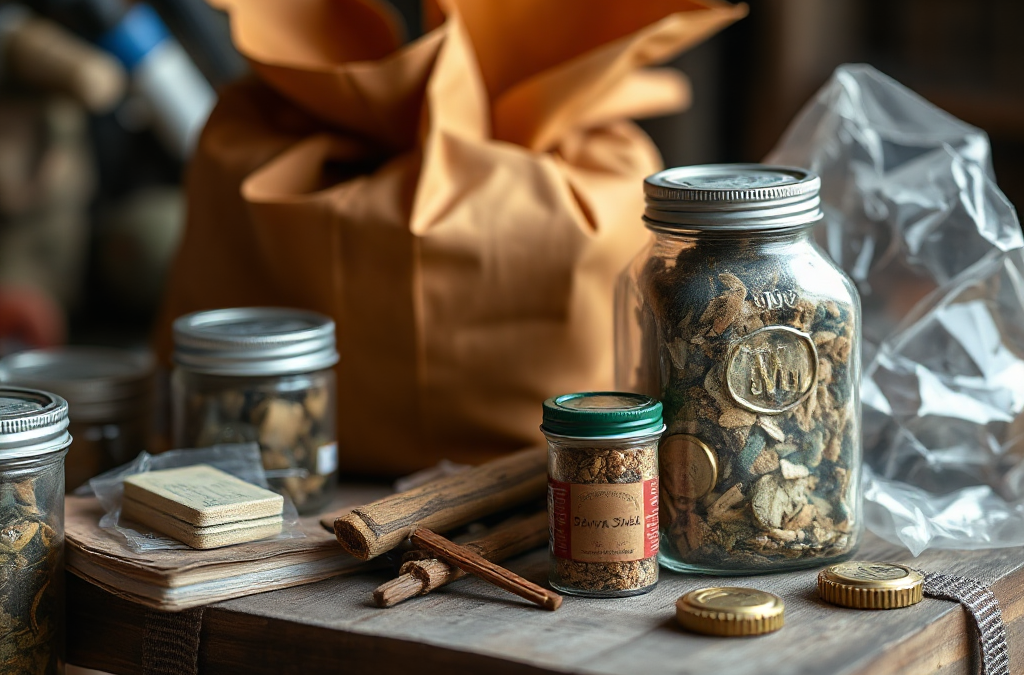
The issues with homemade versus store-bought survival supplies primarily involve reliability, quality, and personal needs. Homemade supplies allow for customization but may lack consistent quality and require considerable time and effort to create. In contrast, store-bought options offer convenience and assurance of safety due to rigorous testing but can be more costly and may not meet individual preferences. A practical approach is to assess your specific requirements and budget, balancing the benefits of convenience with the desire for self-sufficiency. This ensures that your preparedness plan is both effective and tailored to your unique situation.
Understanding Homemade Survival Supplies
Homemade survival supplies are often crafted by individuals based on personal preferences, available resources, and specific needs. The primary advantage of homemade supplies is customization; preppers can tailor items to meet their unique requirements, such as dietary restrictions or specific environmental conditions.
However, the quality and durability of homemade supplies can vary significantly. Many individuals may underestimate the time and effort required to develop effective survival gear and food supplies. For instance, a homemade water filtration system may not be as reliable as a commercially manufactured one, which is tested and certified for safety. Understanding these nuances is essential when considering homemade options.
Evaluating Store-Bought Survival Supplies
Store-bought survival supplies offer convenience and reliability, as they are typically manufactured to meet industry standards. These products often undergo rigorous testing to ensure safety and efficacy, making them a popular choice for preppers who prioritize assurance over customization.
However, store-bought items can be more expensive and may not always align with personal preferences. For example, a pre-packaged emergency food supply might contain ingredients that some individuals wish to avoid. Additionally, the reliance on commercial products can lead to a lack of self-sufficiency, which is a fundamental principle of effective preparedness. Therefore, it is crucial to balance the benefits of convenience with the need for personal autonomy in your survival strategy.

Comparative Analysis: Pros and Cons
When analyzing the issues with homemade versus store-bought survival supplies, several factors come into play:
- Cost: Homemade supplies can be less expensive, but the initial investment of time and resources can be high. Store-bought supplies often come with a premium price tag, reflecting the convenience and reliability they offer.
- Quality Control: Store-bought items are subject to quality standards, whereas homemade supplies may vary based on individual skill and resource availability.
- Customization: Homemade supplies can be tailored to individual needs, while store-bought options may not offer the same level of personalization.
- Convenience: Store-bought supplies are ready to use and require no preparation, while homemade items require time and effort to create.
Understanding these pros and cons is vital for making informed decisions about your survival supplies.
Practical Tips for Making the Right Choice
Choosing between homemade and store-bought survival supplies requires careful consideration of your specific circumstances. Start by assessing your immediate needs and environment. For example, if you live in an area prone to natural disasters, investing in reliable store-bought supplies may be wise.
For those interested in self-sufficiency, learning to create homemade supplies can be a valuable skill. Begin with simple items, such as first-aid kits or basic food preservation techniques, and gradually expand to more complex supplies. Keep in mind the importance of testing and validating homemade items to ensure their effectiveness.
Ultimately, the best approach often involves a blend of both homemade and store-bought supplies, allowing for customization while still ensuring reliability and quality.
Frequently Asked Questions
What are the main advantages of homemade survival supplies?
Homemade survival supplies offer customization to meet specific needs and can be less expensive to create, allowing for personal preferences.
Are store-bought survival supplies worth the investment?
Yes, store-bought supplies are often rigorously tested for safety and reliability, making them a dependable choice for emergency preparedness.
How do I decide between homemade and store-bought supplies?
Consider your specific needs, budget, available resources, and the importance of reliability versus customization in your survival plan.
Can I mix homemade and store-bought supplies?
Absolutely! A combination of both can provide the best of both worlds, allowing for personalization while ensuring quality and reliability.
What common mistakes should I avoid when preparing survival supplies?
Avoid overestimating your ability to create effective homemade supplies and ensure you validate their effectiveness through testing and research.
Further Reading
Authoritative Sources
- Ready.gov
ready.govA government resource providing essential information on emergency preparedness and survival supplies
- American Red Cross
redcross.orgOffers guidance on building emergency kits and disaster readiness
- FEMA
fema.govProvides resources and information on disaster preparedness, including survival supplies
Conclusion
Understanding the issues with homemade versus store-bought survival supplies is crucial for effective preparedness. Weighing the pros and cons of each option allows you to make informed decisions that align with your specific needs and circumstances. Prioritize reliability, quality, and personal preferences when selecting your supplies, and consider a balanced approach that incorporates both homemade and store-bought items for a comprehensive preparedness strategy.




