
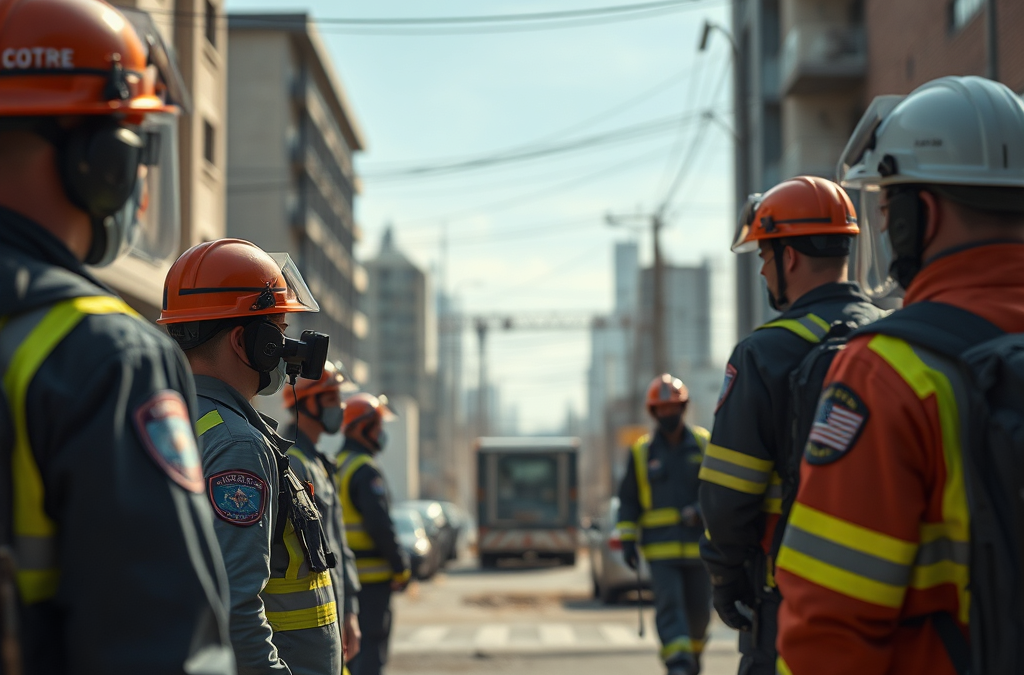
To prepare for communication breakdowns during disasters, it is essential to establish diverse communication methods beyond just mobile phones. Utilize landlines, two-way radios, and satellite phones, as these can function independently of commercial networks, especially when traditional systems fail. Regularly practicing emergency drills with your team or family can help everyone become familiar with these alternatives, ensuring effective communication during a crisis. Additionally, assess the reliability of your primary communication methods to identify potential vulnerabilities, as relying solely on one channel can lead to significant challenges when disaster strikes.
Understanding Communication Breakdowns
Communication breakdowns during disasters can severely hinder response efforts and lead to confusion. These breakdowns often occur due to overloaded networks, loss of power, or physical damage to communication infrastructure. Understanding the various causes of these breakdowns is essential for developing effective strategies to mitigate their impact. For instance, natural disasters like hurricanes and floods can disrupt traditional communication systems, making it crucial to consider alternative methods.
Recognizing that relying solely on cell phones may not suffice is a common misconception. During disasters, cell towers can become overloaded or damaged, leaving individuals without reliable means of communication. Therefore, assessing the risks associated with your primary communication methods can help in identifying potential weaknesses and preparing accordingly.
Establishing Multiple Communication Channels
One of the most effective strategies for preparing for communication breakdowns is to establish multiple communication channels. This includes utilizing a combination of landlines, mobile phones, two-way radios, and satellite phones. Each method has its advantages and limitations; for example, while mobile phones are widely used, they may become unusable during network overloads.
Incorporating tools like amateur radios (HAM radios) can be particularly beneficial, as they can operate independently of commercial networks and can be used to communicate over long distances. It’s also important to ensure that all family members or team members are familiar with these alternative communication methods. Regularly testing these channels can help identify any issues and ensure that everyone knows how to use them effectively in a crisis.

Creating a Comprehensive Emergency Plan
A well-structured emergency plan is crucial for effective communication during disasters. This plan should outline how communication will be maintained, who will be responsible for contacting whom, and what information needs to be shared. It is essential to designate a central point of contact who can relay information to all parties involved, reducing confusion and ensuring that everyone is on the same page.
Moreover, consider including a written communication strategy that details how and when to use different communication tools. This strategy should also address what to do if initial plans fail, including backup methods and alternative points of contact. By having a clear plan, individuals can respond more effectively during emergencies and avoid the chaos that often accompanies communication failures.
Regular Drills and Training
Practicing communication strategies through regular drills is vital for preparedness. These drills help identify weaknesses in your communication plan and ensure that all members are familiar with the procedures. During drills, simulate various scenarios that may cause communication breakdowns, such as power outages or network failures. This practice enables individuals to become comfortable using backup communication methods, such as two-way radios or even emergency signal techniques.
In addition, training sessions can provide valuable insights into how to effectively communicate under stress. Understanding how to convey critical information quickly and clearly can make a significant difference in emergency situations. Regularly reviewing and updating your communication plan based on feedback from these drills can also enhance its effectiveness over time.
Frequently Asked Questions
What are common causes of communication breakdowns during disasters?
Common causes include network overload, damaged infrastructure, and loss of power, which can all disrupt standard communication methods.
How can I improve my family’s communication during a disaster?
Establish multiple communication channels, create a clear emergency plan, and conduct regular drills to ensure everyone knows how to communicate effectively.
Why is having a backup communication method important?
A backup method ensures that you can still communicate if your primary method fails, increasing your chances of staying informed and connected during a crisis.
What tools can I use for emergency communication?
Consider using landlines, mobile phones, two-way radios, and satellite phones, as each offers different advantages during a disaster.
How often should I review my emergency communication plan?
Your emergency communication plan should be reviewed at least annually or whenever there are significant changes in your household or communication technology.
Further Reading
Authoritative Sources
- Ready.gov: Communication Plans
ready.govThis resource provides comprehensive guidelines for creating effective communication plans during emergencies
- FEMA: Emergency Preparedness
fema.govFEMA offers a wealth of information on disaster preparedness, including communication strategies
Conclusion
Preparing for communication breakdowns during disasters is essential for ensuring safety and effective response. Establishing multiple communication channels, creating a comprehensive emergency plan, and conducting regular drills can significantly enhance your preparedness. By understanding the potential pitfalls and prioritizing practical solutions, you can improve your resilience in the face of emergencies. Take proactive steps now to ensure that you and your loved ones can maintain communication when it matters most.




