
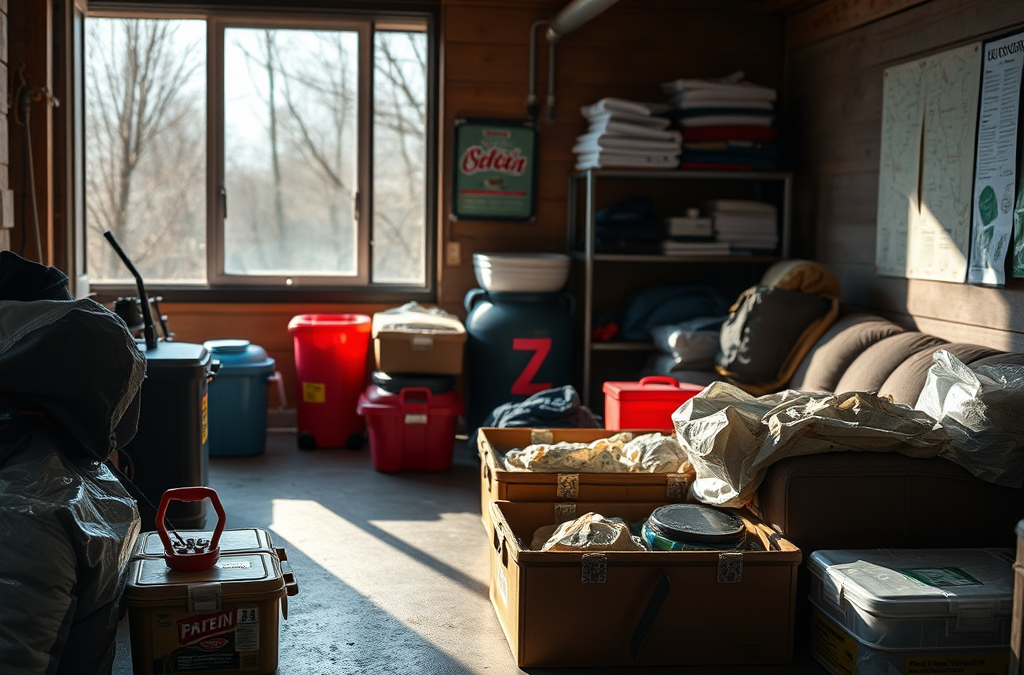
Routine checks for emergency supplies are essential to guarantee their reliability in times of crisis. By regularly inspecting your supplies, you can identify expired items and ensure that everything is functional and complete. This practice not only helps maintain the quality of your resources but also allows you to restock items as needed, preventing last-minute panic during emergencies. For instance, checking expiration dates on food and medical supplies can prevent dangerous situations where you rely on outdated products. Establishing a consistent schedule for these checks will enhance your preparedness and confidence in your emergency plan.
Understanding Emergency Supplies
Emergency supplies are the essential items you need to sustain yourself and your family during unexpected situations, such as natural disasters or power outages. These supplies typically include food, water, first-aid kits, flashlights, batteries, and tools. Understanding what these supplies are and why they are important is the first step in effective emergency preparedness. When you know exactly what is in your supply kit, you can make informed decisions about what to include and how to prioritize your resources.
The significance of having a well-stocked emergency supply kit cannot be overstated. In critical situations, having access to food, clean water, and medical supplies can mean the difference between safety and danger. Furthermore, being prepared reduces stress and anxiety, allowing you to focus on responding effectively to the crisis at hand. Regularly assessing your supplies ensures that you are not caught off guard when an emergency strikes.
The Role of Routine Checks
Routine checks of your emergency supplies are vital for maintaining their effectiveness and ensuring you are well-prepared for any situation. These checks help you identify expired items, assess the condition of your supplies, and restock as necessary. By routinely reviewing your emergency kit, you can ensure that you have what you need when you need it.
During these checks, focus on three key areas: expiration dates, functionality, and completeness. Expired food or medical supplies can be dangerous if relied upon during an emergency. Similarly, tools such as flashlights and radios must be functional and have fresh batteries. Lastly, assess whether your kit is complete based on your family’s needs and any new recommendations for emergency preparedness. This proactive approach helps build confidence in your preparedness plan and ensures you are ready to respond effectively.

Common Mistakes in Supply Management
One of the most prevalent mistakes people make is neglecting their emergency supplies altogether. Many assume that once they have assembled a kit, it will remain functional indefinitely. However, without routine checks, supplies can expire or become damaged, leading to a false sense of security. Another common error is failing to tailor the emergency kit to specific family needs, such as including medications or items for infants or pets.
Additionally, some individuals overlook the importance of having a communication plan in place. During emergencies, it’s crucial to have a reliable way to communicate with family members or emergency services. Failing to include this aspect can hinder your ability to respond effectively. Addressing these common pitfalls through regular checks can improve your overall preparedness and ensure you are equipped for various scenarios.
Developing a Routine Check Plan
Creating a routine check plan for your emergency supplies can streamline the process and make it more manageable. Start by setting a regular schedule, such as monthly or quarterly, to review your supplies. During each check, follow a checklist that includes verifying expiration dates, testing the functionality of equipment, and restocking any depleted items.
Engaging the whole family in these routine checks can also foster a culture of preparedness. Assign different family members specific tasks, such as checking food supplies or testing flashlights. This not only distributes the responsibility but also educates everyone on what to expect during an emergency. Ultimately, having a well-structured routine check plan enhances your readiness and ensures that your emergency supplies remain effective.
Frequently Asked Questions
How often should I check my emergency supplies?
It is recommended to check your emergency supplies at least once every six months to ensure they are up to date and functional.
What should I include in my emergency supply kit?
Your emergency supply kit should include food, water, a first-aid kit, flashlight, batteries, and any necessary medications.
What is the best way to store emergency supplies?
Store emergency supplies in a cool, dry place, and consider using airtight containers to protect them from moisture and pests.
How do I know if my supplies are still good?
Check expiration dates on food and medical supplies, and inspect items for damage or signs of wear during your routine checks.
Can I use expired supplies in an emergency?
While some expired supplies may still be safe, it is not advisable to rely on them. Always replace expired items to ensure safety and effectiveness.
Further Reading
Authoritative Sources
- Ready.gov: Emergency Kits
ready.govThis resource provides comprehensive guidelines for assembling and maintaining emergency kits, emphasizing the importance of regular checks
- American Red Cross: Emergency Preparedness
redcross.orgA reliable source for emergency preparedness resources, including checklists and supply recommendations
- FEMA: Emergency Planning
fema.govOffers insights into effective emergency planning and the importance of routine checks for preparedness
Conclusion
Maintaining your emergency supplies through routine checks is essential for ensuring preparedness during unexpected situations. By understanding the importance of these checks and developing a structured plan, you can significantly enhance your readiness. Focus on verifying expiration dates, testing equipment, and customizing your supplies to fit your family’s needs. Take the time to engage your family in these checks, fostering a culture of preparedness that will serve you well in times of crisis.




