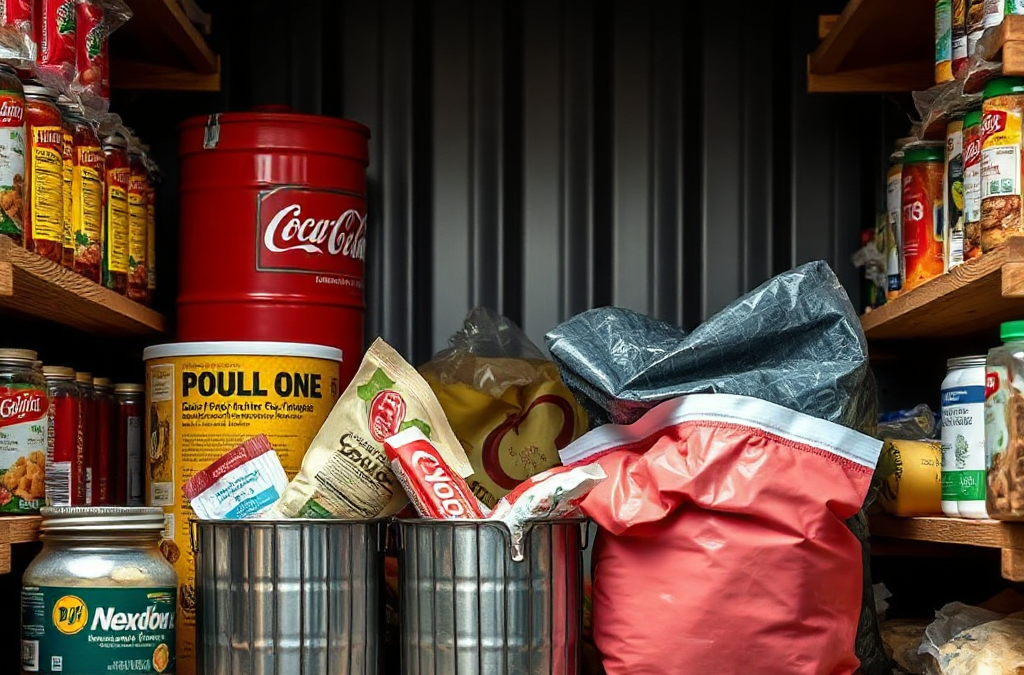
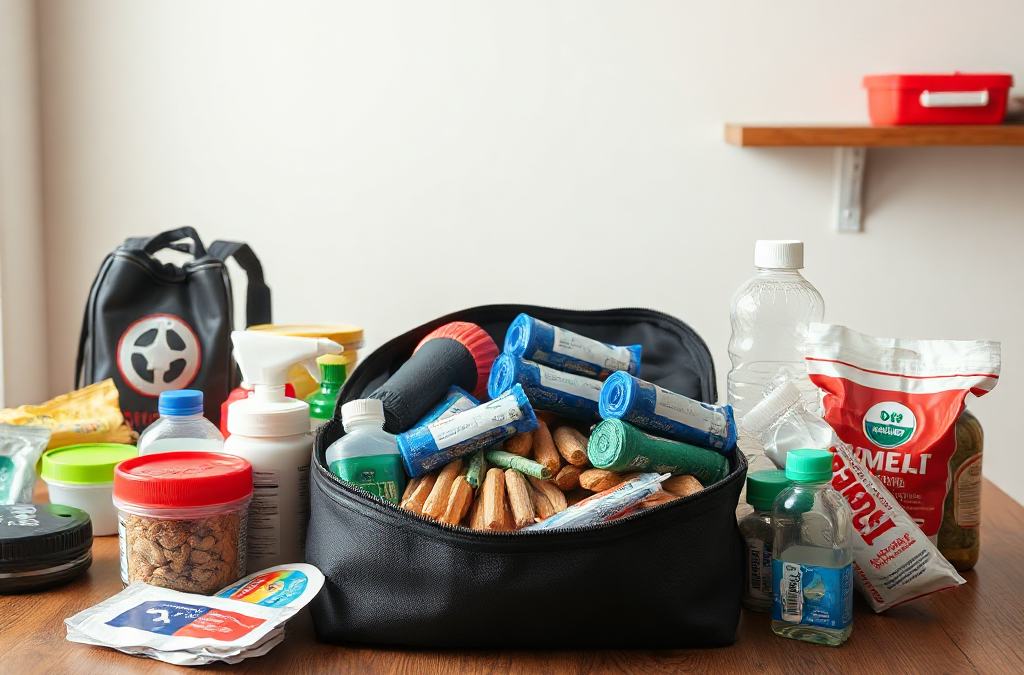
Supply rotation, an essential practice among preppers, involves regularly using and replacing stockpiled resources to prevent expiration and waste. This method ensures that food and supplies remain fresh and usable when needed most. The importance of regular supply rotation cannot be overstated, as it maximizes resources and minimizes the risk of relying on outdated supplies during emergencies.
Proper supply rotation is particularly crucial for perishable items, such as canned goods and freeze-dried foods, which can have limited shelf lives. By consistently checking expiration dates and utilizing older items first, preppers can maintain a reliable stockpile that is ready for any situation. This practice not only fosters efficiency but also promotes a proactive approach to emergency preparedness.
Methods for Effective Supply Rotation
Implementing effective supply rotation methods can significantly impact the longevity and usability of stockpiled supplies. One popular technique is the FIFO (First In, First Out) method, which involves organizing supplies so that older items are used before newer ones. This method is particularly effective for canned goods and other items with expiration dates.
Another approach is to label supplies with purchase dates or expiration dates to ensure that preppers can easily identify which items need to be used first. Additionally, maintaining a well-organized storage area can help facilitate efficient rotation, making it easier to access older supplies. Regularly scheduled inventory checks can also assist in identifying items that are nearing expiration and require immediate use.
Common Mistakes in Supply Management
Many preppers fall into common pitfalls when managing their supplies, which can lead to wasted resources and ineffective preparedness. One significant mistake is neglecting to regularly check expiration dates, resulting in outdated supplies that are no longer safe for consumption. This oversight can have serious consequences during emergencies when reliable resources are needed most.
Another frequent error is overstocking items without considering their shelf life. Preppers may accumulate supplies, thinking they will always be available, but failing to rotate them effectively can lead to waste. To avoid these mistakes, preppers should establish a routine for checking supplies and consider implementing a system for tracking expiration dates to ensure that all items are utilized effectively.
The Role of Inventory Tracking
Inventory tracking plays a vital role in maintaining an effective supply rotation system. By keeping a detailed list of all stockpiled supplies, preppers can easily monitor expiration dates and identify which items need to be used or replaced. This practice not only helps prevent waste but also ensures that preppers are aware of their resource levels during emergencies.
There are various methods for tracking inventory, ranging from simple written logs to digital inventory management apps. Choosing a method that fits individual needs and lifestyles can make supply management more efficient. Regularly updating inventory records and conducting physical checks of supplies can help preppers stay organized and prepared for any situation.
Frequently Asked Questions
What is supply rotation?
Supply rotation is the practice of using older stock first to prevent expiration and waste, ensuring that supplies remain usable during emergencies.
Why is regular supply rotation important for preppers?
Regular supply rotation helps maintain the freshness and safety of stockpiled food and resources, ensuring they are ready for use when needed.
How can I implement supply rotation effectively?
Implementing supply rotation can be done using the FIFO method, labeling supplies with dates, and regularly checking inventory to prioritize older items.
What are common mistakes in supply management?
Common mistakes include neglecting to check expiration dates and overstocking items without effective rotation, leading to waste and expired supplies.
How does inventory tracking help with supply rotation?
Inventory tracking allows preppers to monitor expiration dates and resource levels, ensuring that supplies are used effectively and waste is minimized.
Further Reading
For those looking to delve deeper into supply management and rotation practices, consider exploring reputable resources that offer detailed insights and techniques to enhance preparedness.
Information on regulations and practices that promote food safety and effective supply management
Conclusion
Regular supply rotation is a critical practice for preppers to ensure that their stockpiled resources remain safe and effective. By implementing effective rotation methods, tracking inventory, and avoiding common mistakes, preppers can enhance their preparedness efforts and maximize the usability of their supplies. Prioritizing these practices will help ensure that essential items are always ready for emergencies, ultimately supporting long-term preparedness goals.
To effectively tailor your emergency kit for family needs, it’s crucial to assess the specific requirements of each family member. Start by considering their age, health conditions, and any potential preferences or dislikes. For instance, infants will require baby formula and diapers, while teenagers may need personal items. Additionally, understanding any special needs or health issues, such as allergies or chronic illnesses, will help in selecting appropriate supplies.
Conducting a family meeting can be beneficial to discuss these needs openly. This process not only helps identify what everyone requires but also fosters a sense of responsibility and preparedness among family members. By involving everyone, you can ensure that the kit is comprehensive and meets the diverse needs within your household.
Essential Supplies for Different Age Groups
When assembling your emergency kit, it’s vital to include age-appropriate supplies tailored to different family members. For infants, consider necessities such as baby formula, bottles, diapers, and wipes. Toddlers may need snacks, toys, and comfort items, while school-aged children might benefit from educational materials and games to keep them occupied during stressful times.
Teenagers, on the other hand, may prefer personal hygiene items, such as sanitary products and toiletries, along with their favorite snacks or entertainment options. Including a mix of practical and comforting supplies will help maintain morale and ensure that everyone feels supported during emergencies.
Health Considerations and Special Requirements
Health considerations are paramount when tailoring your emergency kit. If any family members have specific medical needs, such as prescribed medications or dietary restrictions, be sure to include these in your kit. Medications should be stored in their original containers, clearly labeled, and checked regularly for expiration dates.
Additionally, consider including items for individuals with allergies, such as EpiPens or specific allergy medications. If you have pets, ensure you have pet food, medications, and supplies for their care as well. Failing to account for health needs can lead to complications during a crisis, so it’s essential to prepare accordingly.
Organizing and Storing Your Emergency Kit
Once you have compiled the necessary supplies, organizing and storing your emergency kit effectively is crucial. Use a sturdy, waterproof container that is easily accessible. Label the container clearly and keep it in a designated location known to all family members. Regular checks should be scheduled to update supplies and replace expired items.
Consider creating a checklist of contents to ensure nothing is overlooked during restocking. This practice not only keeps the kit organized but also helps in training family members on what is in the kit and how to use it. Engaging everyone in this process can enhance preparedness and confidence in handling emergencies.
Frequently Asked Questions
What should I include in an emergency kit for children?
Include age-appropriate items such as snacks, toys, diapers, and any necessary medications.
How often should I check my emergency kit?
It's recommended to check your emergency kit every six months to replace expired items and update supplies.
Can I include pet supplies in my emergency kit?
Yes, include enough pet food, medications, and supplies to care for your pets during emergencies.
What if someone in my family has special medical needs?
Ensure to include any prescribed medications, special dietary needs, and necessary medical equipment in the kit.
How can I make my emergency kit more accessible?
Store your emergency kit in an easily accessible location and ensure all family members know where it is kept.
Provides essential items to include in emergency kits tailored for different situations
Conclusion
Tailoring your emergency kit for family needs is essential for ensuring the safety and well-being of all members during a crisis. By assessing individual requirements, including age-appropriate supplies, and considering health needs, you can create a comprehensive kit that effectively meets everyone’s needs. Regularly updating the kit and involving family members in the process will enhance preparedness and confidence in handling emergencies. Take action today to ensure your family is ready for any situation.
Nutritional needs encompass a range of essential nutrients required for optimal health, including macronutrients such as carbohydrates, proteins, and fats, as well as micronutrients like vitamins and minerals. Each nutrient plays a critical role in bodily functions, from energy production to immune support. Failing to meet these needs, particularly in a prep food context, can compromise one’s health and preparedness strategy.
It is vital to understand not only the caloric requirements but also the specific nutrients that are often lacking in emergency food supplies. For example, many pre-packaged foods may be high in calories but low in essential vitamins and minerals. Creating a balanced diet plan that includes a variety of food sources is crucial for maintaining health during emergencies. This includes incorporating fruits, vegetables, whole grains, and lean proteins.
Common Mistakes in Meal Prep
One of the most prevalent mistakes in meal preparation is focusing solely on calorie intake rather than the quality of those calories. Preppers often stockpile non-perishable items that lack essential nutrients, such as canned goods high in sodium and low in vitamins. Another common oversight is neglecting to consider dietary restrictions or food allergies within a household, which can lead to significant health risks.
Additionally, many individuals fail to rotate their food supplies effectively, leading to expired items that may not provide the necessary nutrition when needed most. Proper inventory management, including regular checks on expiration dates and nutrient content, is essential to ensure that prep food remains both safe and nutritious.
Health Consequences of Nutritional Neglect
Ignoring nutritional needs can result in a range of health issues, from minor deficiencies to severe chronic conditions. For instance, a lack of vitamin C can lead to scurvy, while insufficient protein intake may result in muscle wasting and weakened immunity. These conditions can severely affect an individual’s ability to respond effectively during emergencies.
Moreover, chronic neglect of nutritional needs can increase the risk of developing long-term health issues such as obesity, diabetes, and cardiovascular diseases. It’s crucial for preppers to recognize that maintaining good health through proper nutrition is as important as having sufficient supplies for survival. Failing to prioritize nutrition can undermine the entire preparedness effort.
Practical Solutions for Balanced Prep Food
To ensure that nutritional needs are met in prep food, individuals should start by diversifying their food supplies. This includes incorporating a mix of proteins, carbohydrates, and healthy fats, as well as ensuring an adequate supply of fruits and vegetables, either through freeze-dried options or stored canned goods. Additionally, utilizing nutritional supplements can help fill any gaps in the diet.
Creating a meal plan that includes a variety of foods can also help maintain nutritional balance. This plan should consider the specific dietary needs of all household members, including any allergies or preferences. Regularly reviewing and updating the meal plan can ensure that the nutritional needs are being met effectively. Furthermore, educating oneself about food labels and understanding what constitutes a balanced diet can empower preppers to make informed choices.
Frequently Asked Questions
What are the essential nutrients to include in prep food?
Essential nutrients include proteins, carbohydrates, fats, vitamins, and minerals. A balanced prep food supply should aim to include all these nutrients for optimal health.
How can I ensure my prep food is nutritionally balanced?
To ensure nutritional balance, diversify your food sources, include whole foods, and regularly review your supplies for expiration and nutrient content.
What are the consequences of ignoring nutritional needs in prep food?
Ignoring nutritional needs can lead to deficiencies, weakened immunity, and increased risk of chronic diseases, undermining overall preparedness.
How often should I rotate my prep food supplies?
It is advisable to rotate your prep food supplies every six months to ensure freshness and nutritional adequacy, checking expiration dates regularly.
Are nutritional supplements necessary for preppers?
Nutritional supplements can be beneficial to fill gaps in diet, especially if fresh food is limited. However, they should not replace whole foods.
Resources for meal planning and dietary guidelines from nutrition experts
Conclusion
Addressing the risks of ignoring nutritional needs in prep food is crucial for maintaining health during emergencies. Prioritizing a balanced diet that includes a variety of food sources can help mitigate health risks associated with nutrient deficiencies. Regularly reviewing and updating your meal plans, coupled with effective inventory management, can ensure that all nutritional needs are met. By being proactive in meal preparation, you not only enhance your preparedness but also support long-term health and well-being.