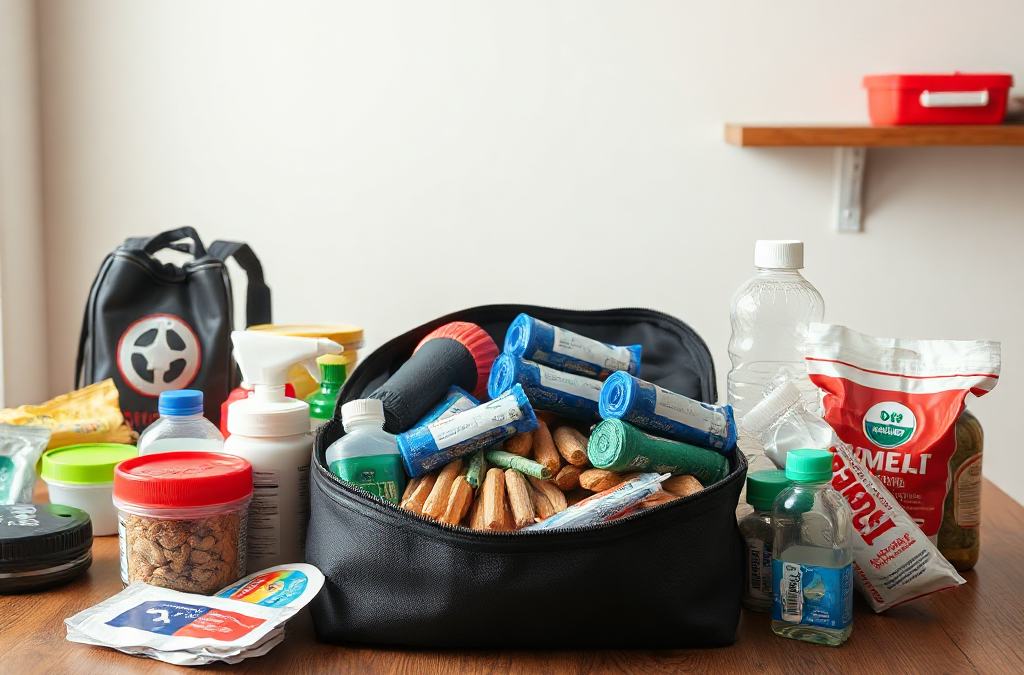
To effectively tailor your emergency kit for family needs, begin by evaluating the unique requirements of each family member based on their age and health conditions. For instance, infants will need essentials like baby formula and diapers, while older children may require educational materials and comforting items. Don't overlook specific health needs, such as medications for chronic conditions or allergy-related supplies. Involve your family in this process to ensure everyone’s preferences are considered, fostering a sense of preparedness and responsibility. Regularly review and update the kit to adapt to changing needs, ensuring it remains relevant and effective during emergencies.
Assessing Family Needs
To effectively tailor your emergency kit for family needs, it’s crucial to assess the specific requirements of each family member. Start by considering their age, health conditions, and any potential preferences or dislikes. For instance, infants will require baby formula and diapers, while teenagers may need personal items. Additionally, understanding any special needs or health issues, such as allergies or chronic illnesses, will help in selecting appropriate supplies.
Conducting a family meeting can be beneficial to discuss these needs openly. This process not only helps identify what everyone requires but also fosters a sense of responsibility and preparedness among family members. By involving everyone, you can ensure that the kit is comprehensive and meets the diverse needs within your household.
Essential Supplies for Different Age Groups
When assembling your emergency kit, it’s vital to include age-appropriate supplies tailored to different family members. For infants, consider necessities such as baby formula, bottles, diapers, and wipes. Toddlers may need snacks, toys, and comfort items, while school-aged children might benefit from educational materials and games to keep them occupied during stressful times.
Teenagers, on the other hand, may prefer personal hygiene items, such as sanitary products and toiletries, along with their favorite snacks or entertainment options. Including a mix of practical and comforting supplies will help maintain morale and ensure that everyone feels supported during emergencies.

Health Considerations and Special Requirements
Health considerations are paramount when tailoring your emergency kit. If any family members have specific medical needs, such as prescribed medications or dietary restrictions, be sure to include these in your kit. Medications should be stored in their original containers, clearly labeled, and checked regularly for expiration dates.
Additionally, consider including items for individuals with allergies, such as EpiPens or specific allergy medications. If you have pets, ensure you have pet food, medications, and supplies for their care as well. Failing to account for health needs can lead to complications during a crisis, so it’s essential to prepare accordingly.
Organizing and Storing Your Emergency Kit
Once you have compiled the necessary supplies, organizing and storing your emergency kit effectively is crucial. Use a sturdy, waterproof container that is easily accessible. Label the container clearly and keep it in a designated location known to all family members. Regular checks should be scheduled to update supplies and replace expired items.
Consider creating a checklist of contents to ensure nothing is overlooked during restocking. This practice not only keeps the kit organized but also helps in training family members on what is in the kit and how to use it. Engaging everyone in this process can enhance preparedness and confidence in handling emergencies.
Frequently Asked Questions
What should I include in an emergency kit for children?
Include age-appropriate items such as snacks, toys, diapers, and any necessary medications.
How often should I check my emergency kit?
It's recommended to check your emergency kit every six months to replace expired items and update supplies.
Can I include pet supplies in my emergency kit?
Yes, include enough pet food, medications, and supplies to care for your pets during emergencies.
What if someone in my family has special medical needs?
Ensure to include any prescribed medications, special dietary needs, and necessary medical equipment in the kit.
How can I make my emergency kit more accessible?
Store your emergency kit in an easily accessible location and ensure all family members know where it is kept.
Further Reading
Authoritative Sources
- Ready.gov
ready.govA comprehensive resource for emergency preparedness, including tailored kits for families
- American Red Cross
redcross.orgOffers guidelines on preparing emergency kits and understanding family needs
- CDC Emergency Kit Recommendations
cdc.govProvides essential items to include in emergency kits tailored for different situations
Conclusion
Tailoring your emergency kit for family needs is essential for ensuring the safety and well-being of all members during a crisis. By assessing individual requirements, including age-appropriate supplies, and considering health needs, you can create a comprehensive kit that effectively meets everyone’s needs. Regularly updating the kit and involving family members in the process will enhance preparedness and confidence in handling emergencies. Take action today to ensure your family is ready for any situation.