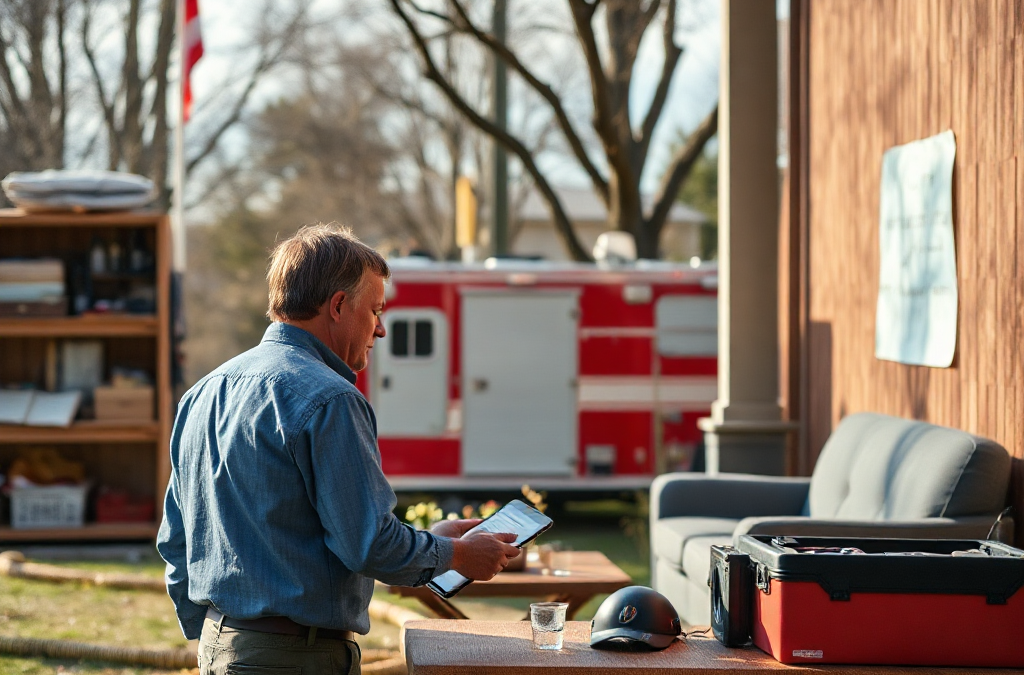
Assessing the impact of a major event involves understanding how it affected your area and your specific situation. This assessment is crucial because it informs the adjustments needed in your emergency plan. Start by evaluating the physical damages, changes in local infrastructure, and any new risks that may have arisen, such as flooding, fire hazards, or structural instability.
Consider conducting a household meeting to discuss observations and experiences during the event. This collaborative approach ensures that everyone’s perspective is included, leading to a more comprehensive understanding of the situation. For example, if a recent hurricane caused flooding in your neighborhood, you might need to revise your evacuation routes and shelter locations. Recognizing these factors and integrating them into your emergency plan is essential for effective preparedness.
Incorporate Lessons Learned
Once you have assessed the impact, the next step is to incorporate lessons learned from the event into your emergency plan. This reflection process is vital because it helps identify what worked well and what did not during the crisis. For instance, if communication methods failed during the event, consider alternative options like text message alerts, social media, or local community groups for updates.
Additionally, reviewing any logistical challenges faced, such as supply shortages or difficulties accessing resources, can lead to better planning. Create a checklist that highlights these lessons and outlines actionable steps to address them. By actively learning from past experiences, you can strengthen your emergency response and increase overall safety for your household.
Update Contacts and Resources
Updating your contacts and resources is a critical part of refining your emergency plan. This includes revising your emergency contact list to ensure it reflects the current situation. Reach out to local authorities, community organizations, and neighbors to gather updated information regarding available resources and support systems.
Consider creating a resource inventory that includes emergency supplies, food, water, and any necessary medical equipment. Ensure that these items are not only up-to-date but also accessible. For example, if you previously stored your emergency kit in a basement that flooded, relocating it to a higher area would be prudent. Regularly reviewing and replenishing your emergency supplies will ensure you are well-prepared for any future events.
Communicate Changes Effectively
Effective communication of changes to your emergency plan is essential for ensuring that all family members are aware and prepared. Schedule a family meeting to discuss the updates, share new contact information, and review any new procedures. This step helps reinforce the importance of being prepared and ensures everyone understands their roles during an emergency.
Consider using visual aids, such as maps or charts, to illustrate evacuation routes and safety procedures. Additionally, practice drills can be beneficial in cementing the plan in everyone’s mind. Regularly revisiting these discussions and drills fosters a culture of preparedness within your household, reducing panic and confusion during an actual emergency.
Frequently Asked Questions
What should I include in my updated emergency plan?
Your updated emergency plan should include new evacuation routes, updated contact information, resources, and any lessons learned from recent events.
How often should I review my emergency plan?
It's recommended to review your emergency plan at least once a year or after a major event to ensure its effectiveness and relevance.
How can I ensure my family understands the updated plan?
Hold a family meeting to discuss the updates and conduct practice drills to reinforce understanding and preparedness.
Why is it important to update my emergency plan after a major event?
Updating your emergency plan ensures it reflects current risks and resources, enhancing your family's safety and preparedness for future emergencies.
Federal Emergency Management Agency provides guidelines and resources for disaster preparedness and response
Conclusion
Updating your emergency plan after a major event is an essential step in enhancing your preparedness. By assessing the impact, incorporating lessons learned, updating contacts and resources, and effectively communicating changes, you can create a robust plan tailored to your current situation. Regular reviews and practice drills will ensure your family remains informed and ready to respond effectively during future emergencies.
Mental resilience refers to the ability to adapt to stressful situations and bounce back from adversity. In disaster situations, this quality is essential as it allows individuals to manage their emotions, maintain clarity of thought, and make sound decisions under pressure. Understanding the components of mental resilience, such as emotional regulation, optimism, and adaptability, is vital for anyone preparing for potential crises.
Resilience is not an innate trait but rather a skill that can be developed over time. Individuals who cultivate resilience can better cope with the uncertainties and challenges posed by disasters. This development involves recognizing personal strengths and weaknesses, which helps create a tailored approach to building resilience. Effective training programs can teach these skills, enabling individuals to face crises with greater confidence.
The Role of Mental Resilience in Crisis Management
Mental resilience plays a key role in crisis management by enhancing decision-making processes during disasters. Resilient individuals are less likely to succumb to panic, which often leads to poor choices that can exacerbate a situation. Instead, they can evaluate risks, prioritize actions, and implement effective solutions quickly. This ability to remain composed is crucial when lives are at stake.
Moreover, mental resilience fosters teamwork and communication in group settings, which is often essential during disasters. Effective leaders exhibit resilience, inspiring confidence in their teams. Recognizing the importance of mental resilience in crisis management highlights the need for training and preparation in communities, workplaces, and emergency services.
Techniques to Build Mental Resilience
Building mental resilience involves various techniques that can be practiced in everyday life. One effective method is cognitive restructuring, which involves changing negative thought patterns into more positive, constructive ones. This practice helps individuals reframe challenges as opportunities for growth rather than insurmountable obstacles.
Mindfulness and stress-reduction techniques, such as meditation or yoga, can also significantly enhance resilience. These practices help individuals manage anxiety and improve focus, enabling them to respond more effectively during crises. Additionally, fostering strong social connections provides emotional support, which is essential for maintaining resilience in tough times.
Common Pitfalls in Disaster Situations
Despite the importance of mental resilience, individuals often fall into common pitfalls during disasters. One major issue is the tendency to panic, which can cloud judgment and lead to rash decisions. Recognizing the signs of panic and employing coping strategies can help mitigate this risk.
Another pitfall is the failure to communicate effectively. In disaster situations, clear communication is critical for coordinating efforts and ensuring safety. Individuals must practice assertiveness and clarity when conveying information to avoid misunderstandings that could worsen the situation. Training in communication skills can enhance resilience and improve outcomes in emergencies.
Understanding more about mental resilience can provide valuable insights for individuals looking to enhance their ability to cope with disasters. Consider exploring resources from recognized psychological organizations or emergency management agencies for comprehensive strategies and guidance.
Frequently Asked Questions
What is mental resilience?
Mental resilience is the ability to adapt to stressful situations and recover from setbacks, allowing individuals to cope effectively during disasters.
Why is mental resilience important in disasters?
It is crucial for maintaining composure, enhancing decision-making, and fostering effective communication during crises, ultimately improving outcomes.
How can I build mental resilience?
Techniques include cognitive restructuring, mindfulness practices, and fostering social connections that provide emotional support during tough times.
What are common mistakes people make during disasters?
Common mistakes include panicking, failing to communicate effectively, and not utilizing available resources, which can exacerbate the situation.
How does resilience affect teamwork in disasters?
Resilience enhances teamwork by fostering clear communication and effective leadership, which are essential for coordinated responses in emergencies.
National preparedness resources for planning, mitigation, and response readiness
Conclusion
Mental resilience is a vital component in effectively navigating disaster situations. By understanding its significance and implementing strategies to build resilience, individuals can enhance their ability to cope with crises. Recognizing common pitfalls and preparing for them can further improve outcomes during emergencies. Prioritizing mental resilience training can empower individuals and communities to face disasters with confidence and composure.
Establishing clear protocols is vital for ensuring your emergency communication plan works effectively. This involves defining specific roles and responsibilities among team members, which helps eliminate confusion during critical moments. For instance, identifying a communication lead who is responsible for disseminating information can streamline the process and ensure accurate messaging. Additionally, protocols should detail the types of emergencies covered and the corresponding communication steps for each scenario.
Common mistakes in this area include vague role definitions and failure to update protocols as personnel change. It’s crucial to review and revise these protocols regularly, particularly after drills or real incidents, to incorporate lessons learned and adapt to new challenges. An effective approach is to create a flowchart that visually represents the communication process, making it easier for all team members to understand their responsibilities.
Leveraging Diverse Communication Tools
Utilizing a variety of communication tools enhances the effectiveness of your emergency communication plan. Depending solely on one method can lead to failures in reaching all stakeholders. For example, combining traditional methods like phone calls with digital tools such as text messaging, social media, and dedicated apps can ensure that messages reach individuals regardless of their preferred communication channels.
When selecting tools, consider factors such as accessibility, user-friendliness, and the specific needs of your audience. A typical oversight is underestimating the importance of redundancy; having backup communication systems in place can be critical if primary channels fail. Regularly testing these tools during drills can help identify potential shortcomings and allow for adjustments before an actual emergency occurs.
Conducting Regular Drills and Training
Regular drills and training sessions are essential for ensuring that your emergency communication plan functions smoothly under pressure. These exercises provide a practical environment for team members to familiarize themselves with the protocols, tools, and their roles. They also help identify gaps in the plan and areas for improvement.
It’s important to vary the scenarios during drills to cover different types of emergencies, such as natural disasters, cybersecurity incidents, or public health crises. This diversity prepares the team for unexpected situations. Additionally, consider involving external stakeholders, such as local emergency services, to provide feedback and enhance collaboration. A common pitfall is conducting drills infrequently, which can lead to complacency and reduced effectiveness during real emergencies.
For additional insights into developing effective emergency communication strategies, consider consulting resources from recognized organizations such as the Federal Emergency Management Agency (FEMA) or the National Institute of Standards and Technology (NIST).
Frequently Asked Questions
What are the key components of an effective emergency communication plan?
Key components include clear protocols, defined roles, diverse communication tools, and regular training and drills.
How often should emergency communication drills be conducted?
Drills should be conducted at least twice a year to ensure all team members are familiar with the protocols and tools.
What communication tools are most effective during emergencies?
Effective tools include text messaging, social media, email, and dedicated emergency apps to reach various audiences.
How can I test the effectiveness of my emergency communication plan?
Testing can be done through simulations and drills, where you evaluate response times, message clarity, and overall team coordination.
What common mistakes should be avoided in emergency communication planning?
Common mistakes include vague role definitions, reliance on a single communication method, and infrequent testing of the plan.
National preparedness resources for planning, mitigation, and response readiness
Conclusion
Ensuring your emergency communication plan works requires a proactive approach that includes establishing clear protocols, leveraging diverse tools, and conducting regular drills. By prioritizing these elements, organizations can enhance their preparedness and responsiveness during emergencies. Continuous evaluation and adaptation of the plan based on real-world experiences are essential for maintaining effectiveness. Consider engaging with stakeholders and experts to further refine your strategies and ensure robust communication in times of crisis.