
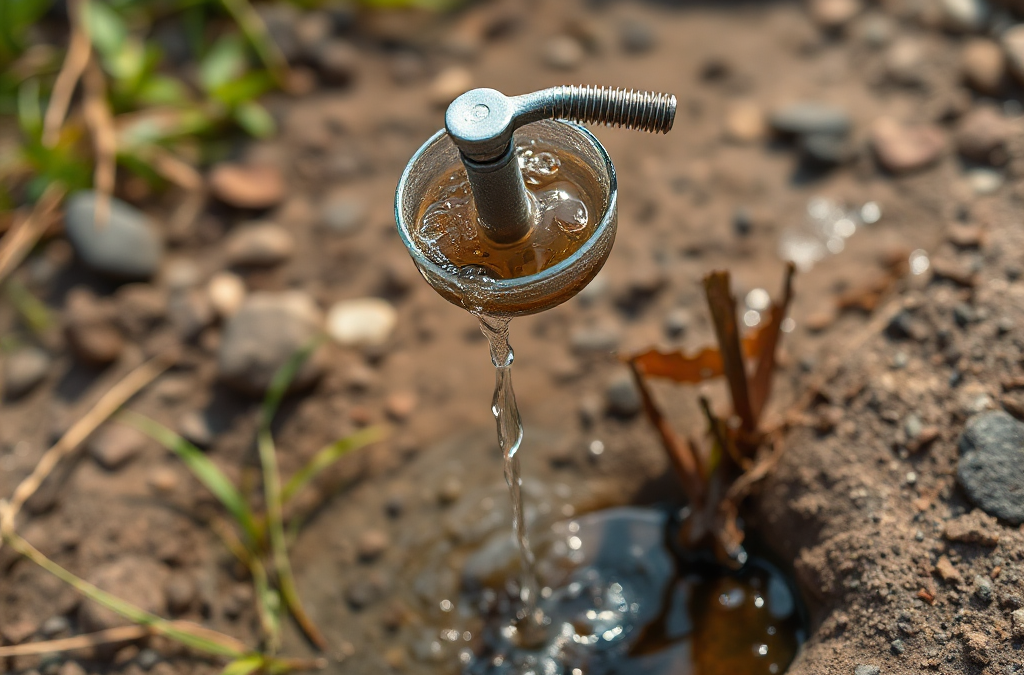
Inadequate water purification methods can result in serious health risks, including the spread of waterborne diseases and exposure to harmful chemicals. Contaminated water sources can lead to illnesses such as cholera and giardiasis, particularly affecting vulnerable populations like children and the elderly. Moreover, the presence of heavy metals, such as lead and arsenic, in poorly treated water can cause long-term health issues, including neurological damage. To address these challenges, it is essential to adopt advanced purification techniques that effectively remove a wide range of contaminants, ensuring safe drinking water for all.
Understanding Inadequate Water Purification Methods
Inadequate water purification methods refer to techniques that fail to effectively remove contaminants from drinking water. This can include outdated filtration systems, reliance on chemical treatments that are ineffective against certain pathogens, or even the absence of any purification process. The importance of effective water purification cannot be overstated, as it serves as the first line of defense against various contaminants that can pose significant health risks. Commonly used methods like boiling or basic filtration may not eliminate all harmful substances, leading to the potential for serious consequences.
Many people underestimate the complexity of water purification, assuming that simple filtration or boiling is sufficient. Unfortunately, these methods often overlook specific contaminants such as heavy metals, pesticides, or viruses. Understanding the limitations of these approaches is essential for recognizing the need for more advanced purification systems.
Health Risks Associated with Poor Water Quality
The health risks associated with inadequate water purification are numerous and can be severe. Waterborne diseases, such as cholera, giardiasis, and dysentery, are often linked to contaminated water sources. These diseases can lead to chronic health problems, severe gastrointestinal issues, and, in extreme cases, death. Vulnerable populations, including children and the elderly, are particularly at risk.
Moreover, exposure to heavy metals like lead and arsenic, often found in poorly treated water, can result in long-term health issues, including neurological damage and developmental delays in children. The inability to eliminate harmful chemicals from agricultural runoff can also lead to acute poisoning or chronic health conditions. Understanding these risks emphasizes the critical need for reliable water purification methods.

Environmental Consequences of Inadequate Purification
Inadequate water purification not only affects human health but also poses significant environmental risks. Contaminated water can lead to the degradation of aquatic ecosystems, affecting fish and wildlife populations. Pollutants can accumulate in the food chain, leading to broader ecological imbalances.
Furthermore, the discharge of untreated or poorly treated wastewater into natural bodies of water can harm local flora and fauna, disrupt habitats, and contribute to the proliferation of harmful algae blooms. These blooms can produce toxins that further threaten aquatic life and human health. Effective water purification is essential not only for safeguarding human health but also for protecting our delicate ecosystems.
Effective Water Purification Techniques
To mitigate the risks associated with inadequate water purification, it is vital to adopt effective purification techniques. Advanced filtration systems, such as reverse osmosis and UV disinfection, are effective in removing a wide range of contaminants, including bacteria, viruses, and heavy metals. These systems offer a comprehensive approach to water purification, ensuring that drinking water is safe and clean.
Additionally, regular maintenance and monitoring of water purification systems are crucial to ensure their effectiveness. Users should also be educated on the importance of testing their water for contaminants, especially in areas with known pollution issues. By prioritizing advanced purification methods and ongoing education, communities can significantly reduce the health and environmental risks associated with inadequate water purification methods.
Frequently Asked Questions
What are the main contaminants found in untreated water?
Main contaminants include bacteria, viruses, heavy metals, and chemical pollutants, which can pose serious health risks.
How can I test my water for contaminants?
You can use home testing kits available online or consult local health departments for comprehensive water testing services.
What are the signs of water contamination?
Signs include unusual taste or odor, discoloration, or the presence of sediment in the water.
How often should I purify my water?
Water should be purified before consumption, and purification systems should be regularly maintained for optimal effectiveness.
What are the best purification methods for home use?
Effective methods include reverse osmosis, UV purification, and activated carbon filters, depending on the contaminants present.
Further Reading
Authoritative Sources
- EPA Safe Drinking Water
epa.govThis source provides information on safe drinking water regulations and guidelines to protect public health
- World Health Organization – Water Sanitation
who.intThe WHO offers resources and research on water quality and health, emphasizing the importance of clean water
- Centers for Disease Control and Prevention – Healthy Water
cdc.govThis site provides guidelines on safe water practices and the impact of water quality on health
Conclusion
Addressing the consequences of inadequate water purification methods is crucial for safeguarding both public health and the environment. By understanding the health risks and environmental impacts, individuals and communities can prioritize effective purification techniques. Implementing advanced filtration systems and ensuring regular maintenance can significantly reduce the chances of contamination. Communities must remain vigilant and proactive in tackling these issues to ensure access to safe, clean drinking water for all.




