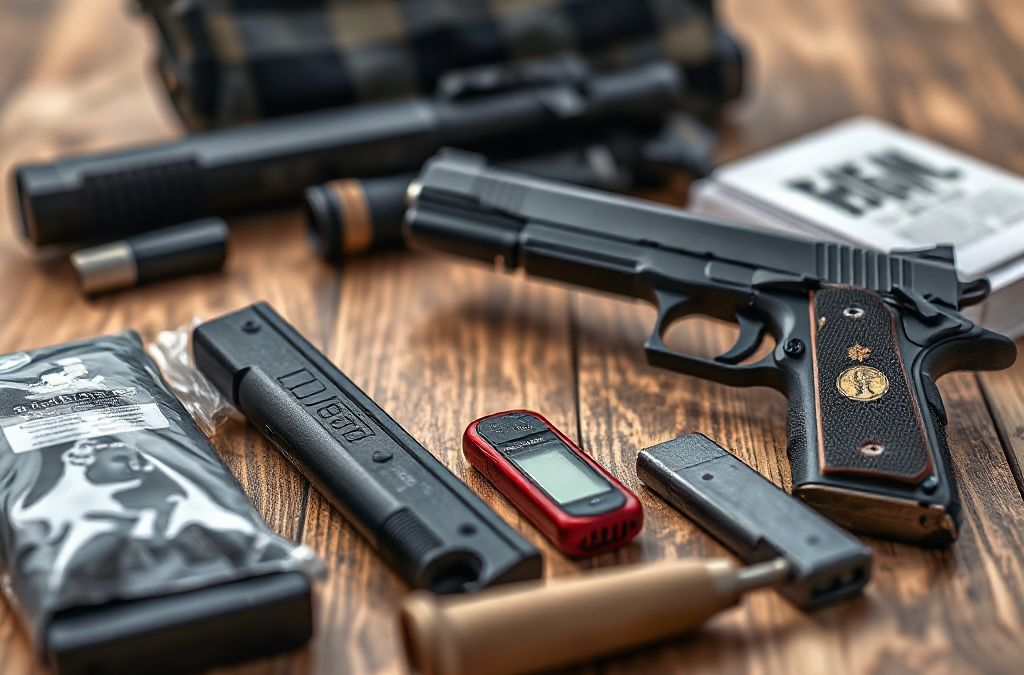
Local laws have a profound effect on the availability and legality of self-defense supplies, determining what individuals can possess for personal protection. Regulations can vary dramatically between jurisdictions, influencing everything from the types of weapons allowed to the legal definitions of self-defense. For instance, some areas may permit the open carry of firearms, while others impose strict limitations on concealed carry. It is essential for individuals to familiarize themselves with local regulations to avoid legal issues and ensure they are prepared for potential confrontations. Additionally, understanding these laws can help individuals make informed decisions about which self-defense tools are appropriate and legally compliant in their area.
Understanding Local Self-Defense Laws
Local self-defense laws are critical to understanding what personal protection measures are permissible in a given area. These laws can vary significantly from one jurisdiction to another, affecting everything from the types of weapons permitted to the legal definitions of self-defense. For example, some states allow for the open carry of firearms, while others impose strict regulations on concealed carry. Understanding these nuances is essential for anyone considering self-defense supplies.
Moreover, local laws often reflect the community’s values and concerns regarding safety and crime. For instance, areas with higher crime rates might have more lenient laws regarding self-defense weapons, while others may impose stricter regulations. Familiarizing oneself with these laws not only helps in compliance but also informs individuals about their rights and responsibilities concerning self-defense.
Types of Self-Defense Supplies and Their Regulations
The types of self-defense supplies available to individuals can include firearms, pepper spray, stun guns, and personal alarms, each governed by different regulations. Firearms, for example, often require permits, background checks, and registration, reflecting the stringent regulations surrounding their use. In contrast, items like pepper spray may have fewer restrictions but can still be subject to local laws regarding size and concentration.
For instance, in some states, carrying a stun gun is legal, but it may be restricted in certain public spaces such as schools or government buildings. Understanding the specific laws that apply to each type of self-defense supply is crucial to ensure compliance and avoid legal issues.

Consequences of Non-Compliance
Failing to comply with local laws regarding self-defense supplies can lead to severe consequences, including criminal charges, fines, and potential imprisonment. For example, possessing a firearm without the necessary permits can result in felony charges, which may carry significant penalties. Additionally, using a self-defense supply in a manner deemed unlawful can lead to civil liability, further complicating the legal landscape for individuals.
Moreover, violations can have long-lasting repercussions, affecting an individual’s ability to purchase firearms or self-defense items in the future. Understanding the potential consequences of non-compliance underscores the importance of staying informed about local regulations and adhering to them strictly.
Practical Considerations for Compliance
To ensure compliance with local laws regarding self-defense supplies, individuals should take several practical steps. First, it is advisable to research local laws thoroughly, including any recent changes or updates. This can often be done through official government websites or local law enforcement agencies.
Second, individuals should consider attending workshops or training sessions on self-defense, which can provide valuable insights into legal rights and responsibilities. These sessions often cover not only the legal aspects but also practical applications of self-defense supplies in real scenarios.
Lastly, consulting with legal professionals who specialize in self-defense law can provide tailored advice and help navigate complex legal issues. By taking these steps, individuals can better equip themselves to make informed decisions about their self-defense supplies while remaining compliant with local laws.
Frequently Asked Questions
What types of self-defense supplies are legal in my area?
The legality of self-defense supplies varies by location; check local laws for specifics on firearms, pepper spray, and other items.
How can I find out about local self-defense laws?
Consult local government websites or legal resources to stay updated on self-defense laws in your area.
What are the penalties for violating self-defense supply laws?
Penalties can include fines, confiscation of supplies, and even criminal charges, depending on the violation.
Do I need a permit for self-defense weapons?
Many jurisdictions require permits for firearms; however, regulations for other self-defense supplies may vary.
Can I use self-defense supplies in any situation?
Self-defense supplies should only be used in life-threatening situations; misuse can lead to legal consequences.
Further Reading
Authoritative Sources
- National Rifle Association Institute for Legislative Action
nraila.orgThis source provides comprehensive information on firearm laws across various states
- Giffords Law Center to Prevent Gun Violence
giffords.orgThis organization offers insights into gun violence prevention and related legal resources
Conclusion
Understanding the impact of local laws on self-defense supplies is essential for anyone interested in personal protection. Individuals must stay informed about regulations to ensure compliance and avoid severe penalties. By taking proactive steps such as researching local laws, attending training sessions, and consulting legal experts, individuals can make informed decisions about their self-defense supplies while adhering to legal requirements.
Related Content
- Quick Prep Guide: Essential Steps for Effective Emergency Readiness
- Is it important to prepare for different types of emergencies?
- How do I ensure my self-reliant practices are sustainable?
- The Importance of Practicing Survival Skills Regularly: Essential Techniques and Real-World Applications
- Planning for the Unexpected: Top Tips for Effective Emergency Preparedness