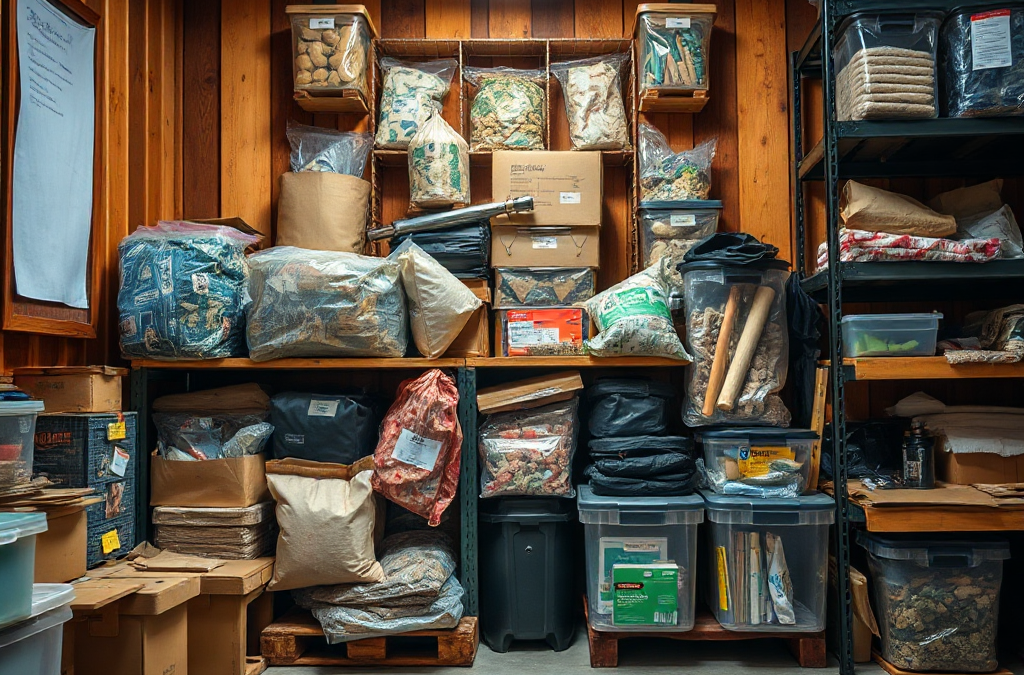
Storing large quantities of prepper supplies often begins with recognizing the limitations of available space. Many preppers face challenges in urban environments where storage areas are confined. This limitation can lead to inefficient use of space and may hinder the ability to stockpile essential items. To combat this, consider vertical storage solutions, such as shelving units and wall-mounted racks, which maximize the use of vertical space.
Additionally, utilizing underutilized areas like attics, basements, and even under furniture can create more room for supplies. Assessing the dimensions and layout of your storage area is crucial. For instance, using clear bins can help stack items while maintaining visibility, thus preventing the need to dig through boxes to find necessary supplies.
Effective Organization Techniques
Once space is optimized, the next challenge is organizing supplies effectively. A disorganized storage area can lead to wasted time and resources, as finding specific items becomes increasingly difficult. Implementing a labeling system is vital; categorize items by type, expiration date, or usage frequency. This not only speeds up access but also aids in inventory management.
Moreover, maintaining a detailed inventory list can enhance organization. Digital tools or simple spreadsheets can allow for real-time updates on stock levels and expiration dates, ensuring that supplies are rotated and used effectively. Regularly scheduled inventory checks can help identify items that need to be used soon, thus preventing waste.
Preservation Methods for Different Supplies
Preservation is critical in maintaining the viability of prepper supplies, especially perishable items. Different types of supplies require various preservation methods. For example, canned goods and dry foods often have long shelf lives, but they still need to be stored in a cool, dry place to prevent degradation. Consider investing in climate control options like dehumidifiers to maintain optimal storage conditions.
For more sensitive items, such as seeds or medicinal herbs, vacuum sealing can extend their shelf life significantly. Additionally, employing methods like freezing or dehydration for food items can preserve their nutritional value. Understanding the specific needs of each type of supply ensures that they remain usable when needed most.
Common Mistakes in Storage
Even seasoned preppers can fall victim to common storage mistakes. One significant error is neglecting the importance of rotation. Supplies should be used in the order they were acquired to ensure nothing goes to waste. Implementing the First In, First Out (FIFO) method can help mitigate this risk.
Another common mistake is underestimating the impact of environmental factors on supplies. Storing items in areas prone to moisture or extreme temperatures can lead to spoilage or deterioration. Regularly monitoring storage conditions and making necessary adjustments is vital to maintaining an effective prepper supply cache.
Frequently Asked Questions
What types of storage solutions are best for prepper supplies?
Using shelving units, clear bins, and vacuum-sealed containers can optimize space and organization for prepper supplies.
How can I prevent spoilage of food supplies?
Store food in cool, dry places, use vacuum sealing for perishables, and regularly check expiration dates to prevent spoilage.
What is the FIFO method?
The FIFO method stands for First In, First Out, which means using older supplies before newer ones to reduce waste.
How often should I check my prepper supplies?
Regular inventory checks every 3-6 months are recommended to ensure supplies are up to date and in good condition.
What common mistakes should I avoid when storing supplies?
Avoid neglecting rotation, underestimating environmental impacts, and failing to label items clearly.
Academic search resource for finding research literature and source material
Conclusion
Successfully storing large quantities of prepper supplies requires strategic planning and organization. By understanding space constraints, employing effective storage techniques, and utilizing proper preservation methods, preppers can create a reliable supply cache. Prioritizing these elements will not only enhance preparedness but also ensure that supplies remain viable when needed most. Regular inventory management and awareness of common pitfalls will further streamline the process, leading to a more effective preparedness strategy.
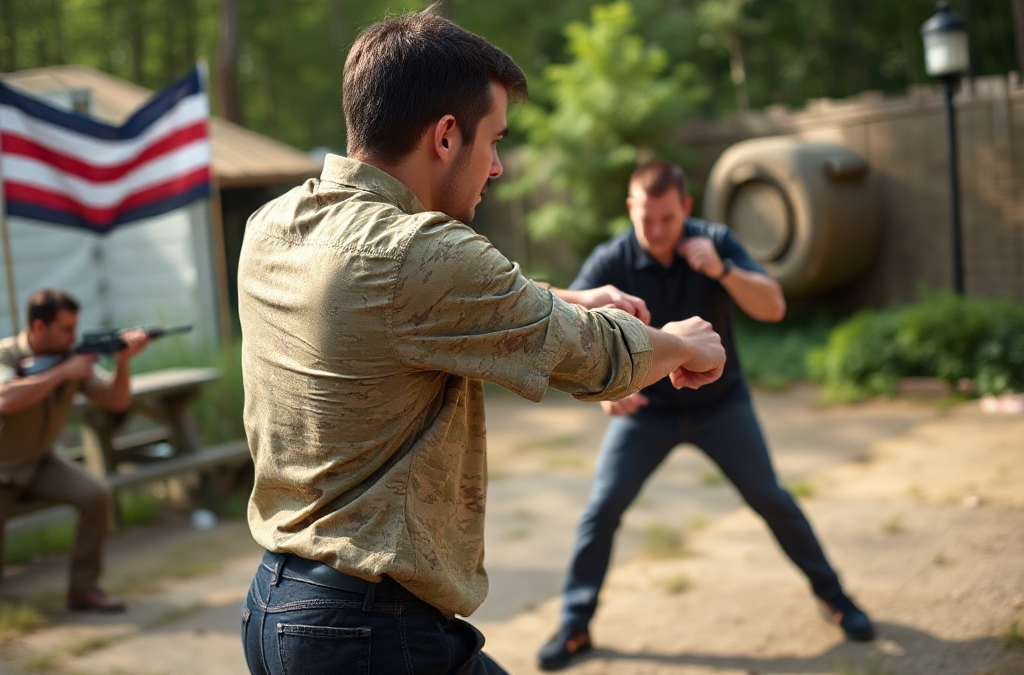
Self-defense training is crucial for preppers as it equips individuals with the skills to protect themselves and their families during emergencies. It encompasses a range of techniques and strategies designed to respond to threats effectively. The primary goal is to avoid confrontation, but when necessary, to defend oneself using appropriate and proportionate force. Understanding the legal implications and ethical considerations of self-defense is also critical, as misuse can lead to serious consequences.
Incorporating self-defense training into your prepper strategy means recognizing that threats can arise unexpectedly. This training should not only focus on physical techniques but also on mental preparedness. Situational awareness, for instance, helps individuals identify potential dangers before they escalate. By understanding the various aspects of self-defense training, preppers can create a comprehensive approach to personal safety.
Key Skills for Preppers
When prioritizing self-defense training, certain skills stand out as particularly valuable for preppers. First, situational awareness is essential; it enables individuals to assess their environment and recognize potential threats. This skill is not just about being alert but involves understanding body language, recognizing suspicious behavior, and planning exit strategies in various settings.
Another crucial skill is defensive tactics, which encompass techniques to evade, block, or counter an attack. Training should focus on practical moves that can be executed under stress. Additionally, conflict de-escalation techniques are important; knowing how to defuse a tense situation can prevent physical confrontations altogether. Training in verbal judo or negotiation can be beneficial in this regard.
Training Methods and Resources
To effectively prioritize self-defense training, preppers should explore various training methods. Enrolling in self-defense classes, such as Krav Maga or Brazilian Jiu-Jitsu, provides hands-on experience and expert guidance. Many local gyms and community centers offer classes specifically designed for beginners, which can help build confidence and competence.
Online resources have also become increasingly useful, offering instructional videos and virtual courses that cover a range of self-defense strategies. However, it’s essential to complement online learning with practical, in-person training to develop muscle memory and effective response mechanisms. Regular practice sessions, ideally in realistic scenarios, will reinforce skills and prepare preppers for real-life situations.
Common Mistakes to Avoid
While pursuing self-defense training, preppers often make several common mistakes that can hinder their progress. One frequent error is neglecting to practice consistently. Skills can diminish over time without regular reinforcement, so creating a training schedule is vital. Additionally, some individuals may focus too heavily on physical strength rather than technique, which can lead to ineffective responses in high-pressure situations.
Another mistake is underestimating the importance of mental preparedness. Self-defense is as much a mental challenge as it is physical. Preppers should work on visualization techniques, role-playing scenarios, and stress management to enhance their decision-making abilities during confrontations. By avoiding these pitfalls, preppers can ensure their self-defense training is both practical and effective.
For those looking to deepen their understanding of self-defense training, consider exploring authoritative resources such as local law enforcement training programs, reputable martial arts schools, and community workshops focused on personal safety. These avenues can provide practical insights and valuable skills.
Frequently Asked Questions
What is the best self-defense technique for beginners?
For beginners, basic striking techniques like punches and kicks, along with escapes from holds, are effective starting points. Learning to maintain distance and using situational awareness is also crucial.
How often should I practice self-defense skills?
Practicing self-defense skills at least once a week is recommended to maintain physical fitness and reinforce techniques. Regular training helps build muscle memory and confidence.
Are there legal considerations for using self-defense?
Yes, self-defense laws vary by location. It’s essential to understand the legal implications of using force, including the concepts of proportionality and necessity in defending oneself.
Can self-defense training help in non-physical confrontations?
Absolutely. Self-defense training often includes conflict de-escalation techniques that can help individuals defuse potentially violent situations without resorting to physical confrontation.
What should I look for in a self-defense class?
Look for classes that emphasize realistic training scenarios, qualified instructors, and a focus on both physical and mental aspects of self-defense. Classes should also cater to different skill levels.
Academic search resource for finding research literature and source material
Conclusion
Prioritizing self-defense training is a vital aspect of preparedness for preppers. By focusing on key skills such as situational awareness, defensive tactics, and conflict de-escalation, individuals can enhance their ability to respond effectively to various threats. Regular practice and realistic training scenarios are essential for retaining skills and building confidence. Ultimately, a well-rounded approach to self-defense training can significantly increase personal safety and preparedness during emergencies.
Understanding the Role of Technology in Emergencies
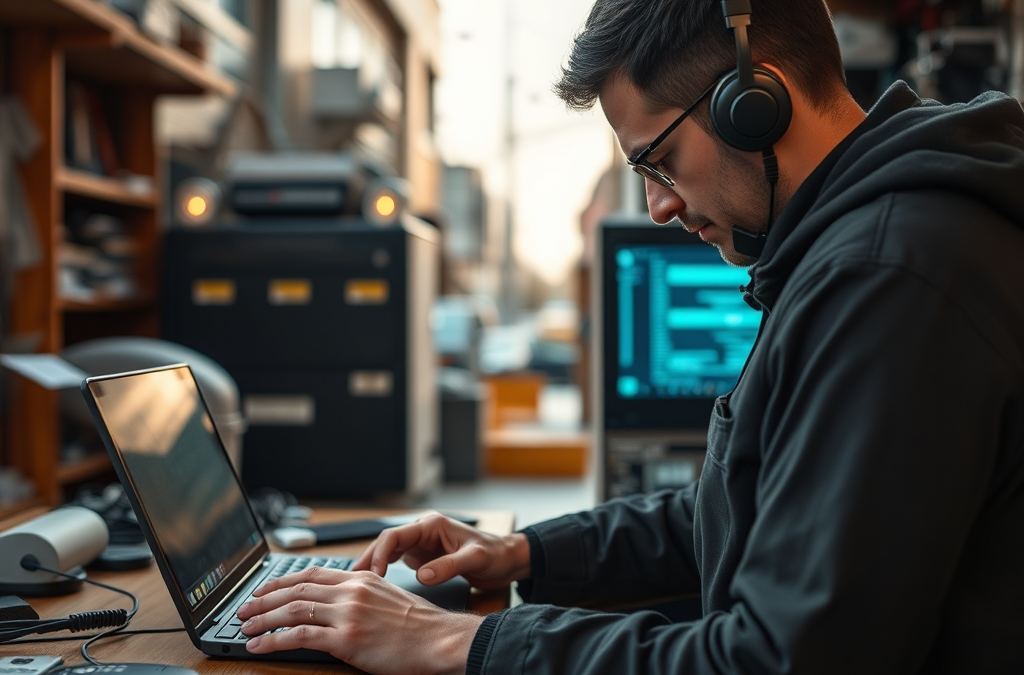
Technology plays a pivotal role in modern emergency management, offering tools for communication, data analysis, and resource allocation. Systems such as satellite phones, GPS, and mobile applications can enhance response times and improve coordination among emergency services. However, understanding their role is crucial, as reliance on technology can inadvertently create vulnerabilities.
In emergencies, technology can streamline information dissemination and provide real-time updates. For instance, social media platforms enable rapid sharing of critical information, allowing communities to stay informed during natural disasters. Yet, this dependency can lead to complacency, as individuals may assume technology will always function as intended.
Potential Pitfalls of Dependence on Technology
Over-reliance on technology in emergencies can lead to several potential pitfalls. One significant risk is the failure of communication systems. During disasters, infrastructure may be damaged, leading to a loss of connectivity. For example, during Hurricane Katrina, many communication systems failed, hindering rescue efforts and leaving affected individuals without vital information.
Another pitfall is the risk of misinformation. In high-stress situations, incorrect information can spread rapidly, leading to panic and poor decision-making. The 2020 COVID-19 pandemic highlighted this issue, as social media played a dual role in disseminating both accurate and misleading information about health guidelines and safety protocols.
Maintaining Traditional Skills and Knowledge
While technology offers numerous advantages, it is essential to maintain traditional skills and knowledge as a backup. Skills such as map reading, first aid, and basic survival techniques are invaluable when technology fails. For instance, knowing how to navigate using a physical map can be a lifesaver if GPS systems are unavailable.
Moreover, understanding the fundamentals of emergency preparedness can empower individuals to act decisively in crises. Training in first aid and CPR, for example, equips people with the skills to assist others when professional help is delayed. By combining technological resources with traditional knowledge, individuals can enhance their overall readiness.
Strategies for Balanced Preparedness
To mitigate the risks associated with over-reliance on technology, individuals and organizations should adopt balanced preparedness strategies. This involves integrating technology with traditional methods to create a comprehensive emergency plan. For example, while using a mobile app to track evacuation routes, individuals should also familiarize themselves with physical maps.
Regular drills and training sessions can help reinforce the importance of both technological and traditional skills. Communities can benefit from workshops that teach essential survival skills while also providing training on how to use technology effectively during emergencies. This dual approach fosters resilience and adaptability.
Frequently Asked Questions
What are the major risks of relying on technology during emergencies?
The major risks include communication failures, misinformation spread, and decreased preparedness. Technology can fail, leading to confusion and delays in emergency response.
How can traditional skills complement technology in emergencies?
Traditional skills, like map reading and first aid, provide essential backup when technology fails, ensuring individuals can respond effectively in crises.
What strategies can enhance emergency preparedness?
Integrating technology with traditional methods, conducting regular drills, and providing training on both can significantly enhance overall emergency preparedness.
How does misinformation impact emergency situations?
Misinformation can lead to panic and poor decision-making, as seen during crises like the COVID-19 pandemic, where incorrect information spread rapidly.
Why is it important to have a balanced approach to emergency preparedness?
A balanced approach ensures resilience, as it combines the strengths of technology with essential traditional skills, preparing individuals for various scenarios.
Academic search resource for finding research literature and source material
Conclusion
Recognizing the risks of over-reliance on technology in emergencies is crucial for effective preparedness. By understanding potential pitfalls and maintaining traditional skills, individuals can enhance their resilience in crises. Implementing balanced strategies that integrate both technology and traditional knowledge will equip communities to respond more effectively when faced with emergencies. Prioritizing comprehensive preparedness will ultimately lead to better outcomes during critical situations.