Understanding the Initial Costs of Prepping Supplies
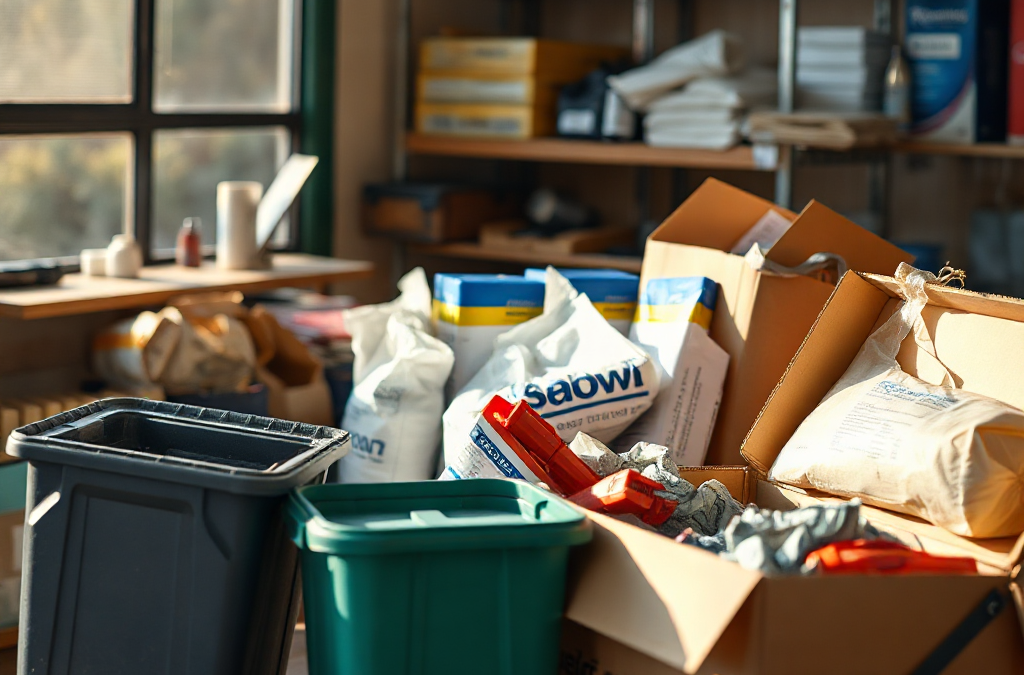
The hidden costs of prepping supplies begin with the initial investment needed to acquire essential items. While many focus solely on the price tags of food, gear, and tools, it’s vital to recognize that these costs can multiply quickly. For instance, buying bulk food supplies might seem economical, but if you factor in the need for proper storage containers, oxygen absorbers, and moisture control, the expenses can escalate. Additionally, specialized equipment like water purifiers or solar generators can significantly impact your budget.
Another aspect to consider is the quality of the supplies you choose. Cheaper options may save money upfront but could lead to higher long-term costs due to lower effectiveness or shorter shelf life. Investing in quality gear and food can mitigate future expenses related to replacements or failures, but this requires careful planning and research to ensure you’re making wise choices.
Ongoing Expenses: Storage and Maintenance
Once you’ve acquired prepping supplies, ongoing expenses related to their storage and maintenance become apparent. Many preppers underestimate the cost of adequate storage solutions. Properly storing supplies requires not only space but also climate control to prevent degradation. For example, storing canned goods in a damp basement can lead to rusting and spoilage, while extreme heat can compromise food quality.
Moreover, routine maintenance is crucial for items like generators and fire-starting tools. Regular checks and potential repairs can add to your overall costs. Failure to account for these ongoing expenses can lead to unpreparedness during emergencies, as malfunctioning equipment can compromise your readiness.
Spoilage and Replacement Costs
Spoilage is a significant hidden cost that preppers often overlook. Food items, even those with long shelf lives, can spoil if not stored correctly, leading to wasted resources. For instance, freeze-dried foods may last for years, but once opened, they have a limited window of usability. Understanding the rotation of supplies and implementing a ‘first in, first out’ system is essential to minimize spoilage.
Replacement costs also factor into long-term prepping strategies. Emergency supplies may need to be replaced after a certain period, especially perishable items or batteries. Budgeting for these replacements is crucial to maintain a state of readiness without unexpected financial strain.
Assessing Your Budget for Long-Term Preparedness
To effectively manage the hidden costs of prepping supplies, a thorough budget assessment is necessary. Start by listing all potential expenses, from initial purchases to ongoing maintenance and replacement costs. This comprehensive view can help identify areas where you might be overspending or where savings can be made.
Consider creating a prioritization framework for your supplies, focusing on what is essential versus what is nice to have. This approach can help you allocate funds more efficiently and ensure that you’re investing in supplies that will provide the most benefit during an emergency. Regularly reviewing and adjusting your budget can also help you stay on track and prepared without breaking the bank.
Frequently Asked Questions
What are the most common hidden costs of prepping supplies?
Common hidden costs include storage solutions, maintenance of gear, spoilage of food items, and replacement of expired supplies.
How can I minimize spoilage in my prepping supplies?
To minimize spoilage, store supplies in a cool, dry place, use airtight containers, and implement a rotation system for perishable items.
What types of storage solutions are best for prepping supplies?
Optimal storage solutions include climate-controlled rooms, vacuum-sealed bags, and food-grade buckets for long-term storage.
How often should I check and replace my prepping supplies?
It’s recommended to review your supplies every 6-12 months and replace any items that are nearing expiration or show signs of damage.
Are there any budgeting tips for new preppers?
New preppers should prioritize essential supplies, create a detailed budget, and look for sales or bulk purchasing options to save money.
A comprehensive site with articles and resources on prepping supplies and budgeting strategies
Conclusion
Understanding the hidden costs of prepping supplies is essential for effective emergency preparedness. By factoring in not just the initial purchase price but also ongoing expenses related to storage, maintenance, and spoilage, preppers can develop a more sustainable approach. Regularly assessing your budget and making informed choices about supplies will ensure that you remain prepared without overspending. Prioritize quality and practicality to maximize your readiness while minimizing unexpected costs.
Inventory management refers to the systematic approach of overseeing and controlling the ordering, storage, and use of supplies. This process is vital for ensuring that the necessary materials are available when needed while minimizing excess stock. Proper inventory management is particularly important in emergency preparedness, where having the right supplies can mean the difference between safety and vulnerability.
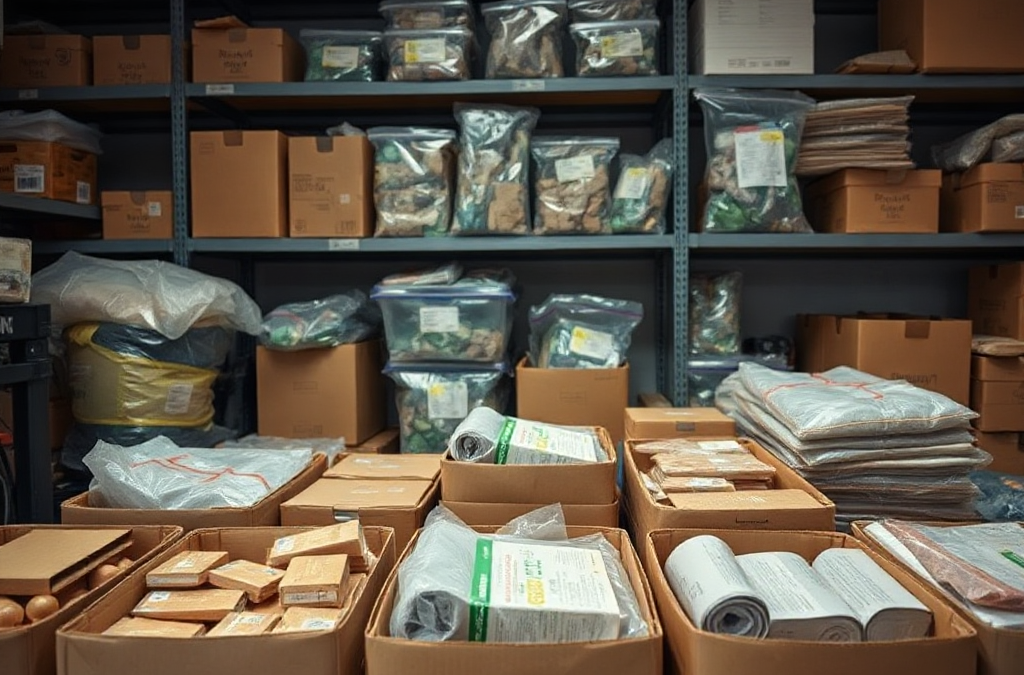
Effective inventory management involves categorizing supplies, tracking their quantities, and regularly updating records. This not only helps in maintaining an adequate supply of essentials but also aids in identifying items that are nearing expiration or are no longer necessary. By understanding the flow of supplies, individuals and organizations can better prepare for unexpected events.
Benefits of a Detailed Inventory
Maintaining a detailed inventory offers several benefits that contribute to overall efficiency and effectiveness. Firstly, it enhances resource allocation by ensuring that supplies are available when required, which is crucial during emergencies. Secondly, it helps in budgeting by providing insights into spending patterns and identifying areas where cost savings can be made.
Additionally, a well-documented inventory reduces the risk of overstocking or stockouts. Overstocking can lead to wasted resources, especially with perishable items, while stockouts can result in critical shortages. Regular inventory checks also facilitate better decision-making, as they provide a clear picture of what is available and what needs replenishing.
Common Mistakes in Inventory Management
Despite its importance, many individuals and organizations make common mistakes in inventory management. One frequent error is neglecting to update inventory records regularly, leading to discrepancies between actual stock and recorded quantities. This can cause confusion and hamper effective decision-making.
Another mistake is failing to categorize supplies properly. Without clear categories, it becomes challenging to locate items quickly, which can be particularly detrimental in emergencies where time is of the essence. Additionally, relying solely on digital systems without backup can lead to issues if technology fails. It’s essential to have a contingency plan for inventory management that includes physical records or alternative systems.
Practical Steps for Effective Inventory Management
To establish an effective inventory management system, start by categorizing all supplies into logical groups. This could include food, medical supplies, tools, and other essentials. Clearly label each category to facilitate easy access and updates.
Next, implement a consistent tracking method, whether through digital software or manual logs. Regularly schedule inventory checks to update records and assess stock levels. During these checks, look for expired items, damaged goods, or supplies that need replenishing. Consider utilizing the FIFO (First In, First Out) method for perishable items to minimize waste.
Finally, train all relevant personnel on inventory management procedures to ensure everyone understands their roles in maintaining accurate records. This collective responsibility fosters accountability and enhances the overall effectiveness of the inventory system.
Frequently Asked Questions
Why is inventory management crucial for preparedness?
Inventory management is crucial for preparedness as it ensures that necessary supplies are readily available during emergencies, minimizing risks and enhancing safety.
How often should I check my inventory?
It is advisable to check your inventory at least quarterly, or more frequently if you have perishable items to ensure optimal stock levels.
What are the best practices for categorizing supplies?
Best practices for categorizing supplies include grouping items by type, usage frequency, and expiration dates to make tracking and access easier.
What is the FIFO method?
The FIFO (First In, First Out) method involves using older stock before newer stock, which is especially important for perishable items to reduce waste.
What technology can help with inventory management?
Inventory management software can aid in tracking supplies efficiently, providing real-time updates and analytics for better decision-making.
Find resources on emergency supplies and how to manage them effectively
Conclusion
Maintaining a detailed inventory of supplies is essential for effective resource management, especially in emergency situations. By understanding the importance of inventory management, recognizing common pitfalls, and implementing practical steps, individuals and organizations can ensure they are well-prepared for unforeseen circumstances. Prioritizing regular inventory checks, proper categorization, and effective tracking methods will enhance readiness and minimize waste. Start organizing your supplies today to safeguard against future emergencies.
Accessibility is a crucial factor when determining emergency shelter locations. Shelters must be reachable by those in need, including individuals with disabilities or mobility issues. Evaluate existing transportation routes, such as major roads or public transit systems, to ensure they can handle the influx of people during an emergency.
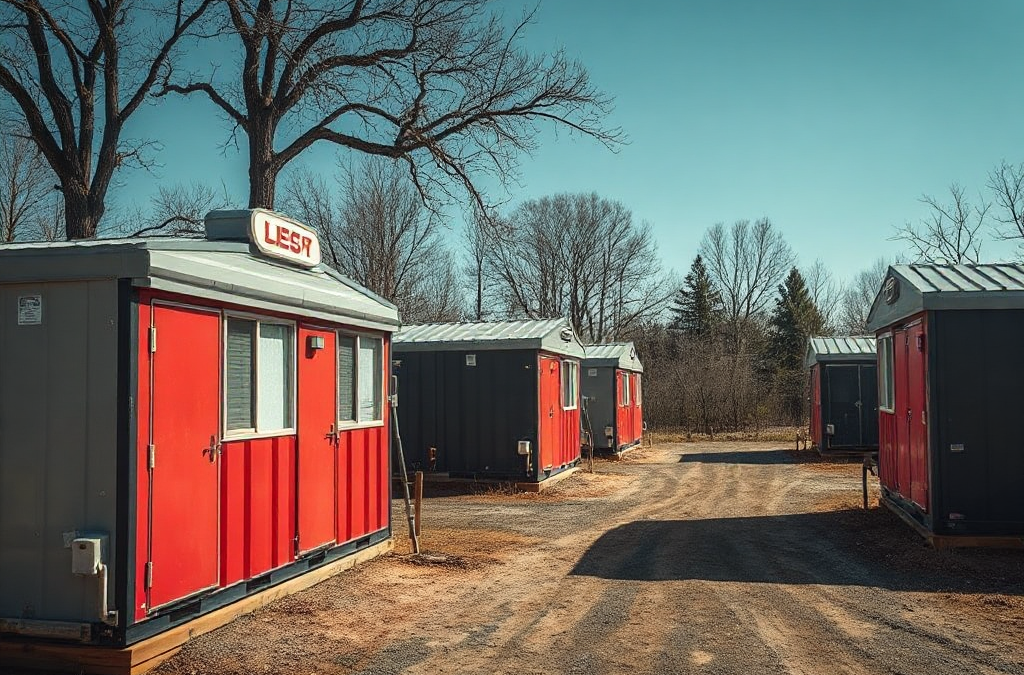
For example, a shelter located near a highway or public transit hub may be more accessible than one situated in a remote area. Additionally, consider potential barriers, such as rivers or mountains, that could impede access. The goal is to select locations that minimize travel time and difficulties for evacuees.
Safety and Hazard Assessment
Assessing safety from various hazards is essential for selecting emergency shelter sites. Identify areas that are less vulnerable to natural disasters, such as floods, earthquakes, or wildfires. Conduct hazard mapping to visualize risks and avoid placing shelters in high-risk zones.
For instance, a community situated in a floodplain should avoid establishing shelters in that area. Instead, choose higher ground that is less likely to be affected by flooding. Regularly review and update safety assessments to account for changes in environmental conditions or urban development.
Proximity to Essential Services
Emergency shelters should be located near essential services to support evacuees effectively. This includes access to medical facilities, food supply sources, and sanitation services. Proximity to these services can significantly enhance the shelter’s effectiveness and the well-being of those housed within.
For example, a shelter near a hospital can provide critical medical care to those in need, while access to grocery stores ensures that food supplies are readily available. Evaluate community resources and collaborate with local service providers to establish a network of support around chosen shelter locations.
Community Needs and Capacity
Understanding community needs is vital when identifying emergency shelter locations. Engage with community members to gather input on their preferences and concerns regarding shelter locations. Consider factors such as cultural sensitivities and the unique needs of vulnerable populations, including children, the elderly, and individuals with disabilities.
Capacity is another important aspect. Assess how many people each potential shelter can accommodate and ensure it aligns with the expected population during emergencies. For example, a school gymnasium may serve as a shelter but might have limitations on how many people it can effectively support. Planning for these factors ensures that the selected locations can adequately serve the community in times of crisis.
Frequently Asked Questions
What should I consider when choosing an emergency shelter location?
Consider accessibility, safety from hazards, proximity to essential services, and community needs.
How do I assess safety from hazards for shelter locations?
Conduct hazard mapping and evaluate risks such as floods, fires, and earthquakes to avoid high-risk areas.
Why is proximity to essential services important for shelters?
Proximity ensures that evacuees have access to medical care, food, and sanitation, improving their overall well-being.
How can I engage the community in shelter planning?
Hold community meetings, surveys, and discussions to gather input on shelter preferences and needs.
What is the ideal capacity for an emergency shelter?
The ideal capacity varies by community size and needs; assess how many people the location can accommodate comfortably.
The Red Cross provides resources on emergency response, including sheltering strategies and community engagement
Conclusion
Identifying the best locations for emergency shelters requires careful consideration of accessibility, safety, proximity to essential services, and community needs. Prioritize locations that can effectively serve the population during crises, ensuring that shelters can accommodate evacuees while providing necessary support. Engage with the community regularly to refine shelter plans and address evolving needs, ultimately enhancing emergency preparedness and resilience.