
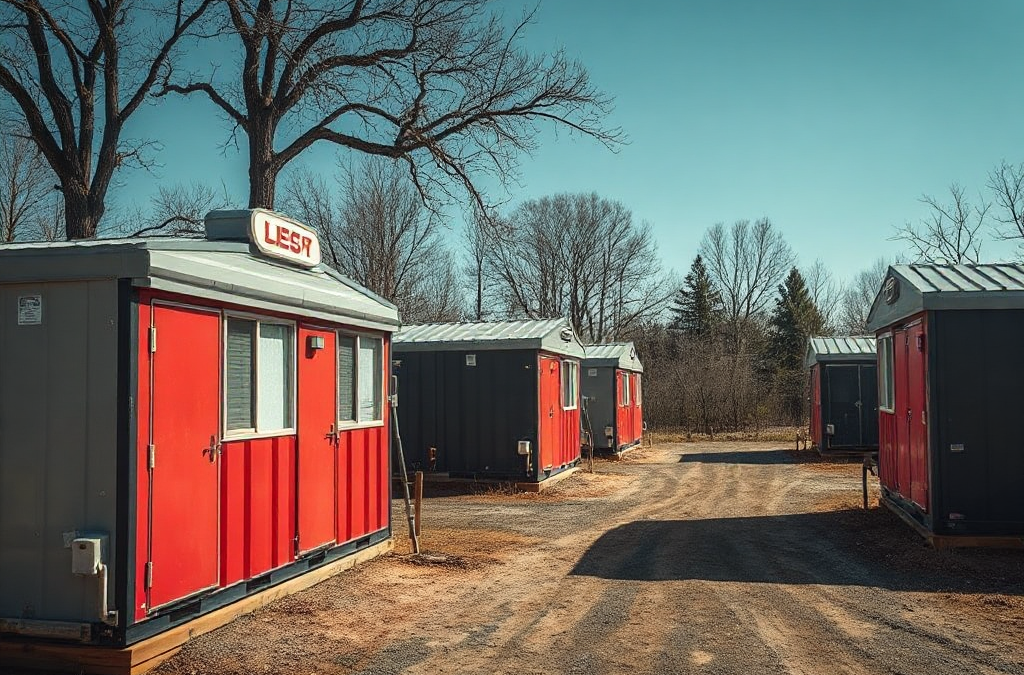
To identify the best locations for emergency shelters, prioritize accessibility, safety from hazards, and proximity to essential services. Choose sites that are easily reachable for vulnerable populations, avoiding areas prone to natural disasters like floods or wildfires. Conduct thorough hazard assessments and select locations that are on higher ground and away from flood zones. Additionally, ensure shelters are near medical facilities and food sources to support evacuees effectively. Regularly review these factors to adapt to changing community needs and environmental conditions.
Accessibility Considerations
Accessibility is a crucial factor when determining emergency shelter locations. Shelters must be reachable by those in need, including individuals with disabilities or mobility issues. Evaluate existing transportation routes, such as major roads or public transit systems, to ensure they can handle the influx of people during an emergency.
For example, a shelter located near a highway or public transit hub may be more accessible than one situated in a remote area. Additionally, consider potential barriers, such as rivers or mountains, that could impede access. The goal is to select locations that minimize travel time and difficulties for evacuees.
Safety and Hazard Assessment
Assessing safety from various hazards is essential for selecting emergency shelter sites. Identify areas that are less vulnerable to natural disasters, such as floods, earthquakes, or wildfires. Conduct hazard mapping to visualize risks and avoid placing shelters in high-risk zones.
For instance, a community situated in a floodplain should avoid establishing shelters in that area. Instead, choose higher ground that is less likely to be affected by flooding. Regularly review and update safety assessments to account for changes in environmental conditions or urban development.

Proximity to Essential Services
Emergency shelters should be located near essential services to support evacuees effectively. This includes access to medical facilities, food supply sources, and sanitation services. Proximity to these services can significantly enhance the shelter’s effectiveness and the well-being of those housed within.
For example, a shelter near a hospital can provide critical medical care to those in need, while access to grocery stores ensures that food supplies are readily available. Evaluate community resources and collaborate with local service providers to establish a network of support around chosen shelter locations.
Community Needs and Capacity
Understanding community needs is vital when identifying emergency shelter locations. Engage with community members to gather input on their preferences and concerns regarding shelter locations. Consider factors such as cultural sensitivities and the unique needs of vulnerable populations, including children, the elderly, and individuals with disabilities.
Capacity is another important aspect. Assess how many people each potential shelter can accommodate and ensure it aligns with the expected population during emergencies. For example, a school gymnasium may serve as a shelter but might have limitations on how many people it can effectively support. Planning for these factors ensures that the selected locations can adequately serve the community in times of crisis.
Frequently Asked Questions
What should I consider when choosing an emergency shelter location?
Consider accessibility, safety from hazards, proximity to essential services, and community needs.
How do I assess safety from hazards for shelter locations?
Conduct hazard mapping and evaluate risks such as floods, fires, and earthquakes to avoid high-risk areas.
Why is proximity to essential services important for shelters?
Proximity ensures that evacuees have access to medical care, food, and sanitation, improving their overall well-being.
How can I engage the community in shelter planning?
Hold community meetings, surveys, and discussions to gather input on shelter preferences and needs.
What is the ideal capacity for an emergency shelter?
The ideal capacity varies by community size and needs; assess how many people the location can accommodate comfortably.
Further Reading
Authoritative Sources
- Ready.gov Emergency Planning
ready.govThis resource provides comprehensive information on emergency planning, including shelter location considerations
- FEMA Shelter Guidelines
fema.govFEMA's guidelines offer insights into effective shelter planning and safety assessments
- American Red Cross Emergency Response
redcross.orgThe Red Cross provides resources on emergency response, including sheltering strategies and community engagement
Conclusion
Identifying the best locations for emergency shelters requires careful consideration of accessibility, safety, proximity to essential services, and community needs. Prioritize locations that can effectively serve the population during crises, ensuring that shelters can accommodate evacuees while providing necessary support. Engage with the community regularly to refine shelter plans and address evolving needs, ultimately enhancing emergency preparedness and resilience.
Related Content
- Quick Prep Guide: Essential Steps and Supplies for Effective Readiness
- Maximizing Readiness and Survival: Strategies for Thriving in Uncertain Times
- How to Address Common Fears in Emergency Preparedness: Practical Steps to Build Confidence and Resilience
- What to Include in a Bug-Out Bag for Pets: Essential Supplies and Tips
- Essential First Aid Skills for the Wilderness




