
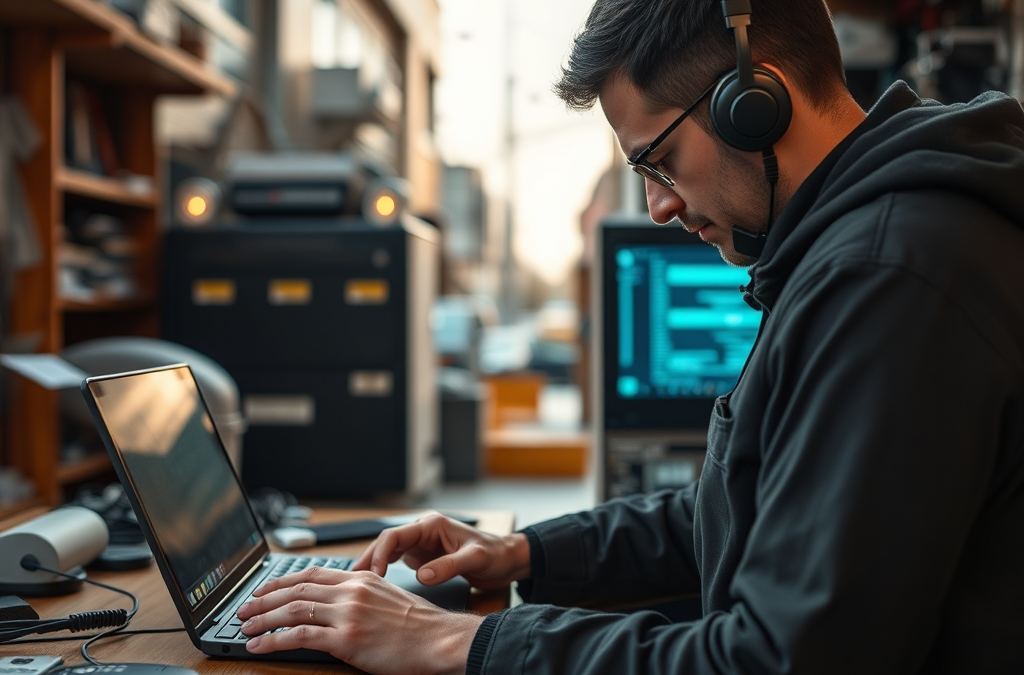
Over-reliance on technology in emergencies poses serious risks, including communication failures and misinformation. When infrastructure is compromised, as seen during Hurricane Katrina, technology can become unreliable, leaving individuals without crucial information. Additionally, the rapid spread of inaccurate information can lead to panic and poor decision-making, as highlighted during the COVID-19 pandemic. To mitigate these risks, it is vital to maintain traditional communication methods and preparedness skills alongside technological tools. This balanced approach ensures that individuals and communities are better equipped to handle emergencies effectively.
Understanding the Role of Technology in Emergencies
Technology plays a pivotal role in modern emergency management, offering tools for communication, data analysis, and resource allocation. Systems such as satellite phones, GPS, and mobile applications can enhance response times and improve coordination among emergency services. However, understanding their role is crucial, as reliance on technology can inadvertently create vulnerabilities.
In emergencies, technology can streamline information dissemination and provide real-time updates. For instance, social media platforms enable rapid sharing of critical information, allowing communities to stay informed during natural disasters. Yet, this dependency can lead to complacency, as individuals may assume technology will always function as intended.
Potential Pitfalls of Dependence on Technology
Over-reliance on technology in emergencies can lead to several potential pitfalls. One significant risk is the failure of communication systems. During disasters, infrastructure may be damaged, leading to a loss of connectivity. For example, during Hurricane Katrina, many communication systems failed, hindering rescue efforts and leaving affected individuals without vital information.
Another pitfall is the risk of misinformation. In high-stress situations, incorrect information can spread rapidly, leading to panic and poor decision-making. The 2020 COVID-19 pandemic highlighted this issue, as social media played a dual role in disseminating both accurate and misleading information about health guidelines and safety protocols.

Maintaining Traditional Skills and Knowledge
While technology offers numerous advantages, it is essential to maintain traditional skills and knowledge as a backup. Skills such as map reading, first aid, and basic survival techniques are invaluable when technology fails. For instance, knowing how to navigate using a physical map can be a lifesaver if GPS systems are unavailable.
Moreover, understanding the fundamentals of emergency preparedness can empower individuals to act decisively in crises. Training in first aid and CPR, for example, equips people with the skills to assist others when professional help is delayed. By combining technological resources with traditional knowledge, individuals can enhance their overall readiness.
Strategies for Balanced Preparedness
To mitigate the risks associated with over-reliance on technology, individuals and organizations should adopt balanced preparedness strategies. This involves integrating technology with traditional methods to create a comprehensive emergency plan. For example, while using a mobile app to track evacuation routes, individuals should also familiarize themselves with physical maps.
Regular drills and training sessions can help reinforce the importance of both technological and traditional skills. Communities can benefit from workshops that teach essential survival skills while also providing training on how to use technology effectively during emergencies. This dual approach fosters resilience and adaptability.
Frequently Asked Questions
What are the major risks of relying on technology during emergencies?
The major risks include communication failures, misinformation spread, and decreased preparedness. Technology can fail, leading to confusion and delays in emergency response.
How can traditional skills complement technology in emergencies?
Traditional skills, like map reading and first aid, provide essential backup when technology fails, ensuring individuals can respond effectively in crises.
What strategies can enhance emergency preparedness?
Integrating technology with traditional methods, conducting regular drills, and providing training on both can significantly enhance overall emergency preparedness.
How does misinformation impact emergency situations?
Misinformation can lead to panic and poor decision-making, as seen during crises like the COVID-19 pandemic, where incorrect information spread rapidly.
Why is it important to have a balanced approach to emergency preparedness?
A balanced approach ensures resilience, as it combines the strengths of technology with essential traditional skills, preparing individuals for various scenarios.
Further Reading
Authoritative Sources
- Library of Congress Research Guides
guides.loc.govResearch guides that help readers locate reliable background sources on a wide range of subjects
- USA.gov Official Information and Services
usa.govOfficial U.S. government information and public resources for practical reference
- Google Scholar
scholar.google.comAcademic search resource for finding research literature and source material
Conclusion
Recognizing the risks of over-reliance on technology in emergencies is crucial for effective preparedness. By understanding potential pitfalls and maintaining traditional skills, individuals can enhance their resilience in crises. Implementing balanced strategies that integrate both technology and traditional knowledge will equip communities to respond more effectively when faced with emergencies. Prioritizing comprehensive preparedness will ultimately lead to better outcomes during critical situations.
Related Content
- The Best Way to Start Your Disaster Prep Plan
- How to Balance Prepping With Family Responsibilities: Practical Steps and Strategies
- How to Plan for Localized Hazards
- Power Outage Preparation Plan: Essential Steps for Effective Readiness
- How to Prepare for Unexpected Natural Disasters: Essential Steps and Checklists




