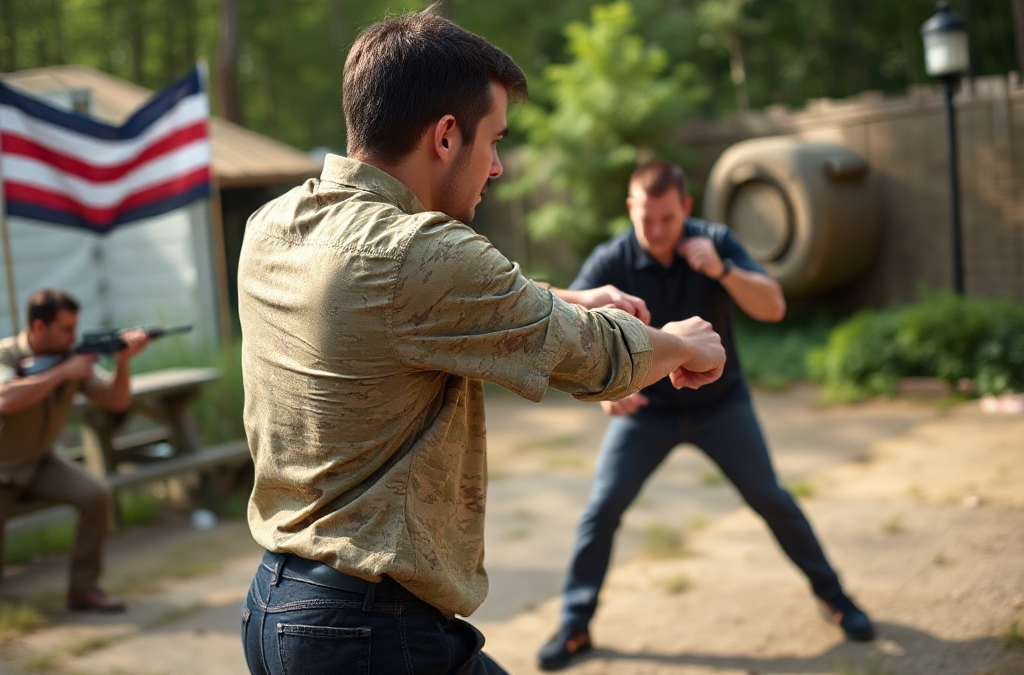
To prioritize self-defense training for preppers, focus on developing essential skills such as situational awareness, defensive tactics, and conflict de-escalation. Begin by honing your ability to assess your surroundings and recognize potential threats, which is vital in avoiding dangerous situations. Incorporate realistic training scenarios that simulate high-stress environments to practice defensive techniques effectively. Additionally, learning how to de-escalate conflicts can prevent physical confrontations and enhance your overall readiness. Regular practice and continuous education in these areas will significantly improve your capability to protect yourself and your loved ones during emergencies.
Understanding Self-Defense Training
Self-defense training is crucial for preppers as it equips individuals with the skills to protect themselves and their families during emergencies. It encompasses a range of techniques and strategies designed to respond to threats effectively. The primary goal is to avoid confrontation, but when necessary, to defend oneself using appropriate and proportionate force. Understanding the legal implications and ethical considerations of self-defense is also critical, as misuse can lead to serious consequences.
Incorporating self-defense training into your prepper strategy means recognizing that threats can arise unexpectedly. This training should not only focus on physical techniques but also on mental preparedness. Situational awareness, for instance, helps individuals identify potential dangers before they escalate. By understanding the various aspects of self-defense training, preppers can create a comprehensive approach to personal safety.
Key Skills for Preppers
When prioritizing self-defense training, certain skills stand out as particularly valuable for preppers. First, situational awareness is essential; it enables individuals to assess their environment and recognize potential threats. This skill is not just about being alert but involves understanding body language, recognizing suspicious behavior, and planning exit strategies in various settings.
Another crucial skill is defensive tactics, which encompass techniques to evade, block, or counter an attack. Training should focus on practical moves that can be executed under stress. Additionally, conflict de-escalation techniques are important; knowing how to defuse a tense situation can prevent physical confrontations altogether. Training in verbal judo or negotiation can be beneficial in this regard.

Training Methods and Resources
To effectively prioritize self-defense training, preppers should explore various training methods. Enrolling in self-defense classes, such as Krav Maga or Brazilian Jiu-Jitsu, provides hands-on experience and expert guidance. Many local gyms and community centers offer classes specifically designed for beginners, which can help build confidence and competence.
Online resources have also become increasingly useful, offering instructional videos and virtual courses that cover a range of self-defense strategies. However, it’s essential to complement online learning with practical, in-person training to develop muscle memory and effective response mechanisms. Regular practice sessions, ideally in realistic scenarios, will reinforce skills and prepare preppers for real-life situations.
Common Mistakes to Avoid
While pursuing self-defense training, preppers often make several common mistakes that can hinder their progress. One frequent error is neglecting to practice consistently. Skills can diminish over time without regular reinforcement, so creating a training schedule is vital. Additionally, some individuals may focus too heavily on physical strength rather than technique, which can lead to ineffective responses in high-pressure situations.
Another mistake is underestimating the importance of mental preparedness. Self-defense is as much a mental challenge as it is physical. Preppers should work on visualization techniques, role-playing scenarios, and stress management to enhance their decision-making abilities during confrontations. By avoiding these pitfalls, preppers can ensure their self-defense training is both practical and effective.
For those looking to deepen their understanding of self-defense training, consider exploring authoritative resources such as local law enforcement training programs, reputable martial arts schools, and community workshops focused on personal safety. These avenues can provide practical insights and valuable skills.
Frequently Asked Questions
What is the best self-defense technique for beginners?
For beginners, basic striking techniques like punches and kicks, along with escapes from holds, are effective starting points. Learning to maintain distance and using situational awareness is also crucial.
How often should I practice self-defense skills?
Practicing self-defense skills at least once a week is recommended to maintain physical fitness and reinforce techniques. Regular training helps build muscle memory and confidence.
Are there legal considerations for using self-defense?
Yes, self-defense laws vary by location. It’s essential to understand the legal implications of using force, including the concepts of proportionality and necessity in defending oneself.
Can self-defense training help in non-physical confrontations?
Absolutely. Self-defense training often includes conflict de-escalation techniques that can help individuals defuse potentially violent situations without resorting to physical confrontation.
What should I look for in a self-defense class?
Look for classes that emphasize realistic training scenarios, qualified instructors, and a focus on both physical and mental aspects of self-defense. Classes should also cater to different skill levels.
Further Reading
Authoritative Sources
- Library of Congress Research Guides
guides.loc.govResearch guides that help readers locate reliable background sources on a wide range of subjects
- USA.gov Official Information and Services
usa.govOfficial U.S. government information and public resources for practical reference
- Google Scholar
scholar.google.comAcademic search resource for finding research literature and source material
Conclusion
Prioritizing self-defense training is a vital aspect of preparedness for preppers. By focusing on key skills such as situational awareness, defensive tactics, and conflict de-escalation, individuals can enhance their ability to respond effectively to various threats. Regular practice and realistic training scenarios are essential for retaining skills and building confidence. Ultimately, a well-rounded approach to self-defense training can significantly increase personal safety and preparedness during emergencies.
Related Content
- Stay Ready: Your Ultimate Guide to Disaster Preparedness
- The Ultimate Guide to 2025 Preparedness for Pandemics: 10 Effective Strategies
- How to Identify the Best Locations for Emergency Shelters: Key Factors and Practical Steps
- Emergency Water Supply Storage Tips for 2025: Stay Prepared Now
- Safety and Preparedness Planning: Key Steps for Effective Emergency Management