
Understanding the specific threats your area faces is crucial for effective preparedness. Natural disasters such as floods, hurricanes, or earthquakes require tailored strategies. Additionally, human-made threats like industrial accidents or terrorism should also factor into your plans. By identifying these risks, you can prioritize resources and actions that will mitigate their impact on you and your community.
A common mistake in safety planning is underestimating the importance of regular updates and drills. Many individuals create a plan but fail to practice it, leading to confusion during an actual emergency. Regular reviews and simulations help ensure that everyone knows their roles and responsibilities, making the response more efficient and coordinated.
Assessing Risks: Understanding Local Threats
Assessing risks involves identifying and evaluating the specific threats that could affect your community. This includes natural disasters such as floods, hurricanes, and wildfires, as well as human-made threats like industrial accidents or civil unrest. Understanding these risks allows for targeted planning and resource allocation.
Communities should conduct risk assessments regularly, incorporating data from local emergency services, historical incidents, and environmental studies. This information helps to prioritize the most pressing threats and develop tailored strategies to address them effectively. For instance, a community prone to flooding might prioritize the construction of levees or improved drainage systems.
Moreover, engaging with local stakeholders, such as schools, businesses, and health services, is essential. They can provide valuable insights into specific vulnerabilities and help foster a collaborative approach to safety planning. Remember, risks can evolve over time, so continuous monitoring and reassessment are critical.
Creating a Comprehensive Emergency Plan
A comprehensive emergency plan outlines the procedures and resources needed to respond effectively to various emergencies. It should detail roles and responsibilities, evacuation routes, and procedures for different scenarios. This plan serves as a roadmap for individuals and families during crises.
Thank you for reading this post, don't forget to subscribe NOW for FREE!

When developing your plan, consider factors such as the size of your household, special needs of family members, and available resources. Include clear instructions on how to communicate during an emergency, as well as backup plans if primary communication methods fail. Additionally, ensure that everyone in the household understands the plan and their specific roles.
Regularly updating the plan is as important as its initial creation. Changes in family dynamics, new threats, or advancements in technology may necessitate revisions. Schedule periodic reviews and involve all family members in the discussion to ensure everyone remains informed and prepared.
Emergency Kits: Essential Supplies for Preparedness
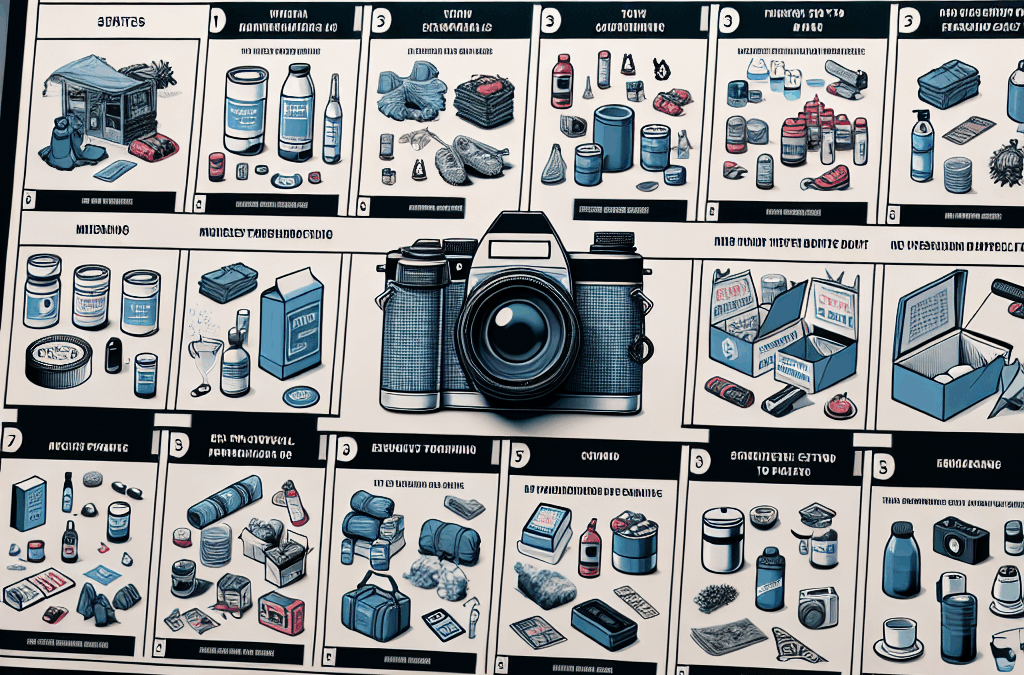
Emergency kits are vital components of safety and preparedness planning. These kits should contain essential supplies that can sustain individuals for at least 72 hours during a disaster. A well-stocked emergency kit can make a significant difference in survival and recovery.
Your emergency kit should include items such as water, non-perishable food, first aid supplies, flashlights, batteries, and a battery-powered or hand-crank radio. Personal items, such as medications and important documents, should also be included. Additionally, consider the unique needs of your family, such as baby supplies or pet food.
It’s crucial to regularly check the contents of your emergency kit, replacing any expired items and adjusting supplies according to seasonal needs. Having multiple kits for different locations, such as your home, car, and workplace, ensures that you are always prepared, regardless of where you are.
Communication Strategies During Emergencies
Effective communication during emergencies is essential for coordinating responses and ensuring safety. Establishing clear communication strategies can significantly enhance preparedness and response efforts. This includes determining how information will be shared and how to reach each family member during a crisis.
Utilize multiple communication methods, such as text messages, social media, and emergency apps, to keep in touch with loved ones. Designate a family member outside your area as a point of contact to facilitate communication if local lines are down. Having a plan for how to communicate can alleviate confusion and anxiety during emergencies.

Consider also how to relay critical information to the community. Local governments and emergency services often utilize alert systems, so ensure you are subscribed to these services and have access to local news and updates. This proactive approach can help you stay informed and make better decisions during a crisis.
Conducting Drills and Regular Plan Reviews
Conducting drills and regularly reviewing your emergency plan are critical for ensuring that everyone knows what to do during a crisis. Drills help familiarize family members with procedures, reducing panic and confusion when an actual emergency occurs.
Schedule at least one drill per year to practice evacuation routes, communication plans, and emergency procedures. This practice not only reinforces the plan but also highlights areas that may need adjustment. After each drill, gather feedback from participants to identify any issues or improvements needed.
In addition to drills, set a schedule for reviewing your emergency plan. This should occur at least annually or whenever significant changes occur in your household or community. Keeping the plan current ensures that it remains relevant and effective, maximizing your safety and preparedness.
Further Reading
Authoritative Sources
- Ready.gov
ready.govThis site provides comprehensive resources on emergency preparedness, including planning guides and checklists
- FEMA
fema.govThe Federal Emergency Management Agency offers valuable information on disaster preparedness and recovery
- Red Cross Emergency Preparedness
redcross.orgRed Cross provides resources for creating emergency plans and building disaster supply kits
- CDC Disaster Preparedness
cdc.govThe Centers for Disease Control and Prevention offers guidance on preparedness for various types of disasters
Frequently Asked Questions
What should be included in an emergency kit?
An emergency kit should include water, non-perishable food, a flashlight, batteries, a first aid kit, medications, and important documents.
How often should I review my emergency plan?
Your emergency plan should be reviewed at least annually or whenever significant changes occur in your household or community.
What are the common mistakes in emergency planning?
Common mistakes include not practicing the plan, failing to update it regularly, and not considering the specific needs of all family members.
How can I stay informed during an emergency?
Stay informed by subscribing to local alert systems, following local news outlets, and using emergency apps for real-time updates.
Why are drills important in emergency preparedness?
Drills familiarize family members with procedures, reduce panic during an actual emergency, and highlight areas for improvement in your emergency plan.
Conclusion
Safety and preparedness planning is an essential aspect of protecting yourself and your community from emergencies. By assessing risks, creating a comprehensive emergency plan, and preparing necessary supplies, you can significantly enhance your resilience against potential threats. Regular drills and updates to your plan are crucial for ensuring that everyone is informed and ready to act. Prioritize these steps to create a safer environment for yourself and those around you.




