
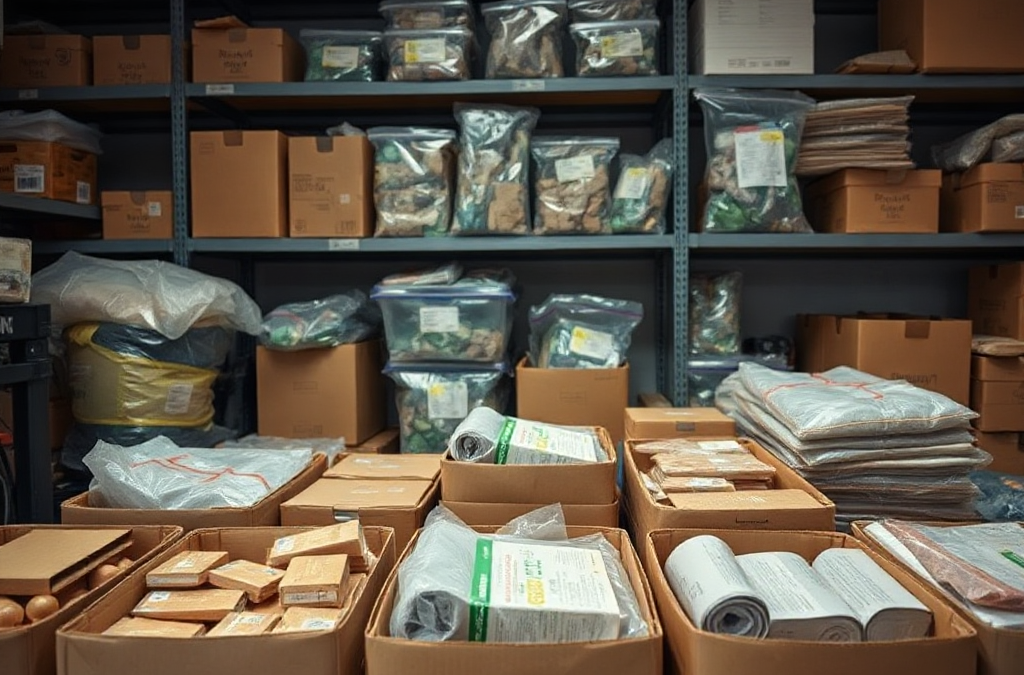
Keeping a detailed inventory of supplies is essential for effective management and preparedness. It enables individuals and organizations to track stock levels accurately, ensuring that necessary items are available when needed, especially during emergencies. One common mistake is neglecting regular updates, which can lead to critical shortages or excess stock. To avoid this, implement a routine schedule for inventory checks and utilize inventory management software for real-time tracking. This proactive approach not only enhances resource allocation but also aids in budgeting and reduces waste, ultimately leading to better preparedness and efficiency.
Understanding Inventory Management
Inventory management refers to the systematic approach of overseeing and controlling the ordering, storage, and use of supplies. This process is vital for ensuring that the necessary materials are available when needed while minimizing excess stock. Proper inventory management is particularly important in emergency preparedness, where having the right supplies can mean the difference between safety and vulnerability.
Effective inventory management involves categorizing supplies, tracking their quantities, and regularly updating records. This not only helps in maintaining an adequate supply of essentials but also aids in identifying items that are nearing expiration or are no longer necessary. By understanding the flow of supplies, individuals and organizations can better prepare for unexpected events.
Benefits of a Detailed Inventory
Maintaining a detailed inventory offers several benefits that contribute to overall efficiency and effectiveness. Firstly, it enhances resource allocation by ensuring that supplies are available when required, which is crucial during emergencies. Secondly, it helps in budgeting by providing insights into spending patterns and identifying areas where cost savings can be made.
Additionally, a well-documented inventory reduces the risk of overstocking or stockouts. Overstocking can lead to wasted resources, especially with perishable items, while stockouts can result in critical shortages. Regular inventory checks also facilitate better decision-making, as they provide a clear picture of what is available and what needs replenishing.

Common Mistakes in Inventory Management
Despite its importance, many individuals and organizations make common mistakes in inventory management. One frequent error is neglecting to update inventory records regularly, leading to discrepancies between actual stock and recorded quantities. This can cause confusion and hamper effective decision-making.
Another mistake is failing to categorize supplies properly. Without clear categories, it becomes challenging to locate items quickly, which can be particularly detrimental in emergencies where time is of the essence. Additionally, relying solely on digital systems without backup can lead to issues if technology fails. It’s essential to have a contingency plan for inventory management that includes physical records or alternative systems.
Practical Steps for Effective Inventory Management
To establish an effective inventory management system, start by categorizing all supplies into logical groups. This could include food, medical supplies, tools, and other essentials. Clearly label each category to facilitate easy access and updates.
Next, implement a consistent tracking method, whether through digital software or manual logs. Regularly schedule inventory checks to update records and assess stock levels. During these checks, look for expired items, damaged goods, or supplies that need replenishing. Consider utilizing the FIFO (First In, First Out) method for perishable items to minimize waste.
Finally, train all relevant personnel on inventory management procedures to ensure everyone understands their roles in maintaining accurate records. This collective responsibility fosters accountability and enhances the overall effectiveness of the inventory system.
Frequently Asked Questions
Why is inventory management crucial for preparedness?
Inventory management is crucial for preparedness as it ensures that necessary supplies are readily available during emergencies, minimizing risks and enhancing safety.
How often should I check my inventory?
It is advisable to check your inventory at least quarterly, or more frequently if you have perishable items to ensure optimal stock levels.
What are the best practices for categorizing supplies?
Best practices for categorizing supplies include grouping items by type, usage frequency, and expiration dates to make tracking and access easier.
What is the FIFO method?
The FIFO (First In, First Out) method involves using older stock before newer stock, which is especially important for perishable items to reduce waste.
What technology can help with inventory management?
Inventory management software can aid in tracking supplies efficiently, providing real-time updates and analytics for better decision-making.
Further Reading
Authoritative Sources
- FEMA Resources
fema.govExplore guidelines on emergency preparedness and inventory management from the Federal Emergency Management Agency
- American Red Cross
redcross.orgFind resources on emergency supplies and how to manage them effectively
Conclusion
Maintaining a detailed inventory of supplies is essential for effective resource management, especially in emergency situations. By understanding the importance of inventory management, recognizing common pitfalls, and implementing practical steps, individuals and organizations can ensure they are well-prepared for unforeseen circumstances. Prioritizing regular inventory checks, proper categorization, and effective tracking methods will enhance readiness and minimize waste. Start organizing your supplies today to safeguard against future emergencies.
Related Content
- Disaster Readiness at Home: Essential Steps for Effective Preparedness
- How to Ensure Your Emergency Communication Plan Works: Key Strategies and Tools
- How to Stay Informed About Local Disaster Risks: Essential Tools and Resources
- How to Evaluate the Long-Term Viability of Prepper Foods: Key Factors and Practical Steps
- The Ultimate 2025 Guide to Community Emergency Preparedness: 7 Effective Strategies to Save Lives




