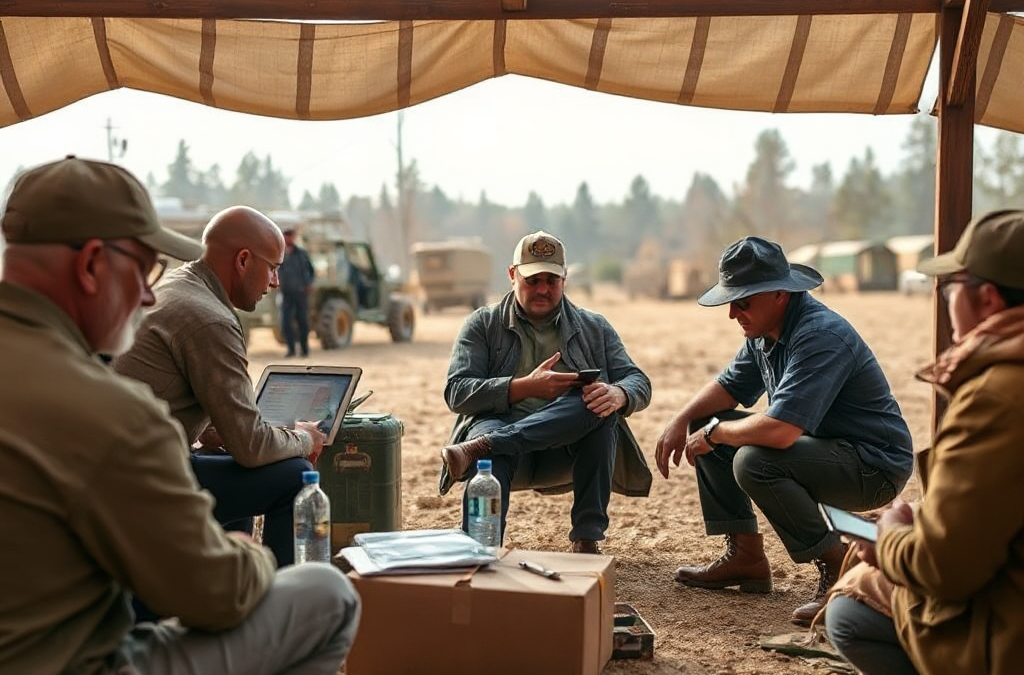
Finding reliable prepper communities online begins with identifying trustworthy platforms. Websites such as Reddit, Facebook, and dedicated prepper forums are excellent starting points. On Reddit, subreddits like r/preppers provide a space for discussions on various aspects of preparedness, from food storage to survival skills. Facebook groups can offer localized support and advice, while specialized prepper forums often have extensive resources and experienced members sharing their knowledge.
When choosing a platform, consider the community’s size, engagement level, and the types of discussions taking place. Look for groups that maintain an active presence, as this often indicates a vibrant community where information flows freely. Additionally, some platforms may focus on specific themes within prepping, such as urban survival or homesteading, so select groups that align with your interests.
Engaging with Community Members
Active engagement with community members is crucial to building trust and gaining valuable insights. Start by introducing yourself and sharing your interests or experiences related to prepping. Asking questions can also foster interaction and help you connect with like-minded individuals. When participating in discussions, be respectful and open-minded, as this encourages a positive environment for knowledge exchange.
Moreover, consider attending virtual meetups or webinars organized by the community. These events provide opportunities to learn from experts and engage in real-time discussions. Engaging with members consistently helps you establish credibility and may lead to deeper connections that can enhance your preparedness journey.
Evaluating Information Quality
As you explore various prepper communities, it’s essential to evaluate the quality of information shared. Not every piece of advice will be accurate or applicable. Look for sources that provide evidence-based recommendations and encourage critical thinking. Pay attention to members who share personal experiences, as these can be more informative than generic advice.
Another useful approach is to cross-reference information with reputable sources, such as government guidelines or expert publications on emergency preparedness. This practice not only enhances your knowledge but also helps you identify misinformation within the community. Remember, a healthy prepper community will encourage discussions that challenge ideas and promote informed decision-making.
Avoiding Common Pitfalls
While online prepper communities can be immensely beneficial, there are common pitfalls to avoid. One major mistake is relying solely on a single source of information. Diversify your engagement across multiple platforms to gain a well-rounded perspective. Additionally, be wary of groups that promote fear-based tactics or encourage extreme behaviors without sound reasoning.
Another pitfall is failing to verify the credentials of individuals sharing advice. Just because someone claims expertise doesn’t mean their information is accurate. Always prioritize communities that foster a culture of accountability and encourage members to share credentials or sources when offering advice.
Frequently Asked Questions
What are the best websites for finding prepper communities?
Some of the best websites include Reddit, Facebook groups, and dedicated prepper forums like Survivalist Boards and Prepper Forums.
How can I tell if a prepper community is reliable?
Look for active engagement, respectful discussions, and evidence-based advice. Communities that encourage critical thinking and provide credible sources are typically more reliable.
Can I trust the information shared in prepper communities?
While many members share valuable insights, it’s important to cross-reference information with reputable sources to ensure accuracy.
What should I avoid when engaging in prepper communities?
Avoid relying on a single source of information, engaging with fear-based groups, or taking advice from unverified individuals.
How can I effectively engage with community members?
Introduce yourself, ask questions, share experiences, and participate in discussions. Attend virtual events to deepen your connections.
Academic search resource for finding research literature and source material
Conclusion
Finding reliable prepper communities online is essential for enhancing your preparedness knowledge and skills. By identifying trustworthy platforms, engaging actively with members, and evaluating the quality of information shared, you can build a supportive network. Avoid common pitfalls by diversifying your sources and being cautious of unverified advice. Prioritize communities that foster accountability and encourage open discussions, as these will be the most beneficial for your prepping journey.
Community resources play a critical role in enhancing individual preparedness by providing tools, knowledge, and support systems necessary for effective emergency response. These resources encompass various organizations, programs, and services that aim to improve public safety and community resilience. Understanding how these resources function and their availability in your area is essential for maximizing their benefits during emergencies.
Many individuals overlook the importance of these resources, often relying solely on personal preparedness plans. However, community resources can fill gaps in knowledge and supplies, allowing individuals to be better prepared for disasters. Engaging with local organizations, attending training sessions, and participating in community drills can significantly improve personal readiness and response capabilities.
Types of Community Resources
There are several types of community resources that individuals can leverage to enhance their preparedness. These include local government agencies, non-profit organizations, volunteer groups, and educational institutions. Each type of resource offers unique contributions to community preparedness:
Local Government Agencies: Entities such as fire departments and emergency management offices provide essential services, training, and information during emergencies.
Non-Profit Organizations: Organizations like the Red Cross offer disaster response training, first aid courses, and resource distribution during crises.
Volunteer Groups: Community-led initiatives often mobilize volunteers to support preparedness efforts, including organizing drills and educational workshops.
Educational Institutions: Schools and universities frequently host training programs that equip individuals with vital skills for emergency situations.
By understanding the various types of community resources available, individuals can identify which organizations to engage with based on their specific needs and interests.
Benefits of Community Engagement
Engaging with community resources offers numerous benefits that enhance individual preparedness. Firstly, participation in community programs fosters a sense of belonging and shared responsibility, motivating individuals to take preparedness seriously. Additionally, community engagement provides access to valuable training and resources that might otherwise be unavailable.
For example, individuals who participate in local first aid courses not only gain critical life-saving skills but also build relationships with fellow community members. This network can be invaluable during a crisis, as individuals can rely on each other for support and assistance. Furthermore, communities that prioritize preparedness often have better access to information and resources during emergencies, leading to more effective responses.
Common Misconceptions about Community Preparedness
Despite the benefits of community resources, several misconceptions can hinder effective engagement. One common belief is that personal preparedness is sufficient without community support. While individual planning is vital, it is often inadequate without the backing of community resources. Relying solely on personal supplies may leave individuals unprepared for larger-scale emergencies that require collective action.
Another misconception is that community resources are only for those in immediate danger. In reality, these resources are designed to support the entire community, ensuring that everyone has access to the tools and knowledge needed for effective preparedness. Engaging with community resources is a proactive step that benefits not only the individual but also the broader community.
Frequently Asked Questions
Why is community engagement important for preparedness?
Community engagement fosters relationships, provides valuable training, and enhances collective readiness during emergencies, resulting in better outcomes for all.
What common mistakes do people make regarding preparedness?
People often underestimate the importance of community support, relying solely on individual preparedness plans, which can be inadequate during large-scale emergencies.
How can I get involved in local preparedness efforts?
You can get involved by volunteering with local organizations, attending training sessions, and participating in community drills or preparedness events.
FEMA provides guidelines and resources for community resilience and emergency management
Conclusion
Community resources significantly enhance individual preparedness by providing essential training, support networks, and collective resilience during emergencies. Engaging with local organizations not only equips individuals with vital skills but also fosters a stronger sense of community. To maximize your preparedness, actively seek out and participate in community programs, collaborate with neighbors, and contribute to a culture of readiness. Taking these steps will ensure that you and your community are better equipped to handle any crisis that may arise.
Understanding the Unique Needs of Children and Pets
When adapting emergency plans for children and pets, it is crucial to recognize their unique needs and vulnerabilities. Children may require clear instructions and reassurance, while pets depend on their owners for guidance and care. Understanding these differences helps to tailor your emergency response effectively.
Children often process information differently than adults, so visual aids and simple language can enhance their understanding. For pets, ensure that their emotional and physical needs are met during stressful situations. For instance, pets may need calming items like toys or blankets, which can help reduce anxiety during emergencies.
Creating an Inclusive Emergency Plan
Creating an inclusive emergency plan involves detailing evacuation routes, designated meeting points, and communication methods for both children and pets. Start by mapping out safe exits from your home and practice these routes with your children. Ensure they know how to respond in various scenarios, such as fires or natural disasters.
For pets, include a plan for their transport during evacuations. Designate specific carriers and a pet emergency kit containing food, water, medications, and identification tags. This preparation not only ensures their safety but also alleviates stress for both pets and children during emergencies.
Practicing Your Emergency Plan
Regular practice of your emergency plan is essential for ensuring that both children and pets know what to do in a crisis. Schedule drills that simulate different emergency scenarios, allowing children to play active roles while also considering how pets will be managed. This practice fosters confidence and reduces panic during actual emergencies.
During these drills, assess which parts of the plan may need adjustments. For example, if your pet is reluctant to enter a carrier, consider training them to become more comfortable with it. The more familiar everyone is with the plan, the smoother the response will be in real situations.
Resources for Emergency Preparedness
Utilizing resources can significantly enhance your emergency preparedness. Organizations like the American Red Cross and local emergency management offices provide guidelines and checklists tailored for families with children and pets. These resources often include information on creating emergency kits and developing communication strategies.
Additionally, consider consulting local veterinarians for advice on pet-specific emergency protocols and care. They can provide insights into managing health needs during emergencies, ensuring that your pet’s well-being is prioritized.
Frequently Asked Questions
What should be included in an emergency kit for pets?
An emergency kit for pets should include food, water, medications, a leash, a carrier, and identification tags.
How can I teach my child about emergency procedures?
Use visual aids, simple language, and practice drills to help your child understand emergency procedures effectively.
What are the signs that my pet is stressed during an emergency?
Signs of stress in pets include excessive barking, hiding, or destructive behavior. Monitor their behavior closely.
How often should I review and update my emergency plan?
Review and update your emergency plan at least once a year or whenever there are significant changes in your family or pets.
What should I do if my pet is not comfortable in a carrier?
Gradually acclimate your pet to the carrier by allowing them to explore it and rewarding them with treats to create positive associations.
The AVMA provides resources on pet care during emergencies, ensuring pet owners are well-informed
Conclusion
Adapting emergency plans for children and pets is essential for ensuring their safety and well-being during crises. By understanding their unique needs, creating an inclusive plan, and practicing regularly, families can enhance their preparedness significantly. Utilize available resources to stay informed and refine your strategies, ensuring that both children and pets are ready for any emergency situation.