Survival skills encompass a range of techniques that enable individuals to sustain themselves in emergency situations, whether in the wilderness or urban environments. These skills can include fire-making, shelter construction, navigation, first aid, and food procurement. Understanding these skills is the first step toward effective preparation, as each skill addresses specific needs that may arise during a crisis.
Knowing the fundamentals of survival skills is essential, but the true value lies in their practical application. For example, someone may understand how to start a fire but may struggle to do so under pressure if they have not practiced regularly. Therefore, incorporating these skills into routine practice ensures that individuals are not only knowledgeable but also capable of executing these techniques efficiently.
Benefits of Regular Practice
Regular practice of survival skills leads to numerous benefits that enhance an individual’s preparedness for emergencies. One of the primary advantages is the development of muscle memory, which allows for quicker and more effective responses during high-pressure situations. For instance, practicing how to perform CPR or use a tourniquet can make the difference between life and death in a medical emergency.
Additionally, consistent training helps individuals identify their strengths and weaknesses. This self-awareness is crucial for understanding which skills require more focus and practice, ultimately leading to a more comprehensive skill set. Furthermore, regular practice fosters confidence, enabling individuals to face unexpected challenges with a calm demeanor and clear decision-making.
Common Mistakes in Survival Training
Many individuals overlook the importance of realistic training scenarios when practicing survival skills. A common mistake is practicing skills in a controlled environment that does not mimic real-world conditions. For example, practicing fire-making indoors with all the necessary tools may not prepare someone for the challenges of creating a fire in the rain using limited resources.
Another mistake is neglecting to update and adapt skills based on changing circumstances or advancements in techniques. Survival skills should evolve with new information and technology. For instance, learning about the latest first aid practices or navigation tools can significantly enhance one’s preparedness.
Real-World Applications of Survival Skills
The application of survival skills can vary widely depending on the environment and situation. For example, in a natural disaster such as a hurricane or earthquake, survival skills such as emergency communication, first aid, and resource management become vital. Individuals trained in these skills are more likely to remain calm, assess their situation, and take appropriate action.
Moreover, survival skills are not limited to extreme situations. Everyday scenarios, such as getting lost during a hike or dealing with a minor injury, also highlight the importance of these skills. Regular practice ensures that individuals are prepared for both extraordinary and ordinary challenges, enhancing their overall resilience.
Frequently Asked Questions
How often should I practice survival skills?
It is recommended to practice survival skills at least once a month to maintain proficiency and confidence.
What are the most important survival skills to learn?
Essential survival skills include first aid, fire-making, shelter building, navigation, and food procurement.
Can survival skills be learned online?
Yes, many reputable organizations offer online courses that cover various survival skills effectively.
What should I include in a survival kit?
A survival kit should include items like a first aid kit, water purification tools, a fire starter, a multi-tool, and emergency food supplies.
How can I simulate real-world survival scenarios?
Engaging in outdoor activities, such as camping or hiking, can help simulate real-world survival scenarios and improve practical skills.
Offers guidelines and tips for outdoor safety and survival in national parks
Conclusion
Regularly practicing survival skills is vital for ensuring preparedness in emergencies. By developing muscle memory, boosting confidence, and understanding one’s limitations, individuals are better equipped to face unexpected challenges. It is essential to engage in realistic training scenarios and continuously adapt skills to remain effective. Prioritizing consistent practice will enhance not only your survival capabilities but also your overall resilience in various situations.
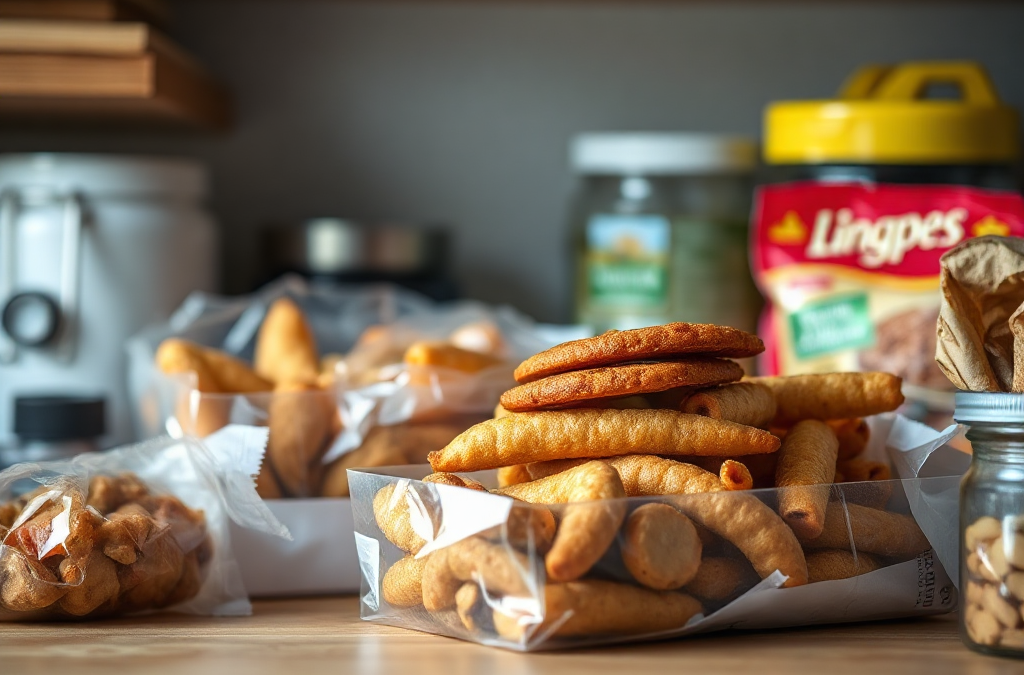
The shelf life of prepper foods is crucial for ensuring their long-term viability. Shelf life indicates how long a food product will maintain its quality and safety when stored correctly. It’s important to distinguish between “best by” dates and actual expiration dates. Foods may still be safe to consume after their best by date, but their quality may decline.
For example, canned goods typically last for several years beyond their best by dates, while dry products like grains or legumes can last even longer if stored in airtight containers. Regularly checking the shelf life of your food supplies and understanding what these dates mean can help in planning your food storage strategy.
Nutritional Value and Food Selection
Nutritional value is another key factor in evaluating the viability of prepper foods. It’s essential to choose foods that provide a balanced diet, especially during emergencies when fresh produce may not be available. Focus on a variety of food groups, including proteins, carbohydrates, and fats, to ensure you meet your nutritional needs.
Consider adding foods like canned beans, freeze-dried vegetables, and high-calorie snacks such as nuts or granola bars. These not only have a long shelf life but also provide essential nutrients. However, be cautious of foods high in preservatives or artificial ingredients, as they may not be as beneficial for your health in the long run.
Storage Conditions and Best Practices
Proper storage conditions are vital for maintaining the viability of prepper foods. Temperature, humidity, and light exposure can significantly impact food quality. Most prepper foods should be stored in a cool, dark, and dry place to maximize their shelf life.
Using airtight containers, vacuum sealing, or mylar bags with oxygen absorbers can help extend the longevity of your food supplies. Additionally, regularly checking the storage area for signs of pests or moisture can prevent spoilage and waste.
Common Mistakes to Avoid
One common mistake many make is overstocking on a limited variety of foods, which can lead to nutritional deficiencies. It’s essential to diversify your food storage to include a range of nutrients. Another mistake is failing to rotate supplies; regularly consuming and replenishing your stock ensures that food remains fresh and safe to eat.
Additionally, neglecting to check for damage or spoilage can lead to unexpected waste. Make it a habit to regularly inspect your food storage and maintain a clear inventory of what you have.
Frequently Asked Questions
What types of prepper foods last the longest?
Foods like freeze-dried meals, canned goods, and dehydrated fruits can last for many years, often exceeding 20 years if stored properly.
How should I store prepper foods?
Store prepper foods in a cool, dry, and dark place, using airtight containers to protect against moisture and pests.
How often should I check my food supplies?
Regular checks every six months are recommended to ensure food is still viable and to rotate supplies as necessary.
Can I eat food after the expiration date?
Many foods are safe to eat after their expiration date, but quality may decline; always check for signs of spoilage first.
What are some common mistakes when prepping food?
Common mistakes include overstocking on a narrow variety of foods, neglecting to rotate supplies, and not checking for spoilage regularly.
usda.govThe USDA provides essential information about food safety standards and storage recommendations
Conclusion
Evaluating the long-term viability of prepper foods involves understanding shelf life, selecting nutritionally balanced options, and ensuring proper storage. Prioritize a diverse food supply, regularly check for spoilage, and maintain suitable storage conditions to maximize the longevity of your food. By avoiding common mistakes and staying informed, you can effectively prepare for future needs and ensure your food supplies remain safe and nutritious.
Understanding the Importance of First Aid Supplies
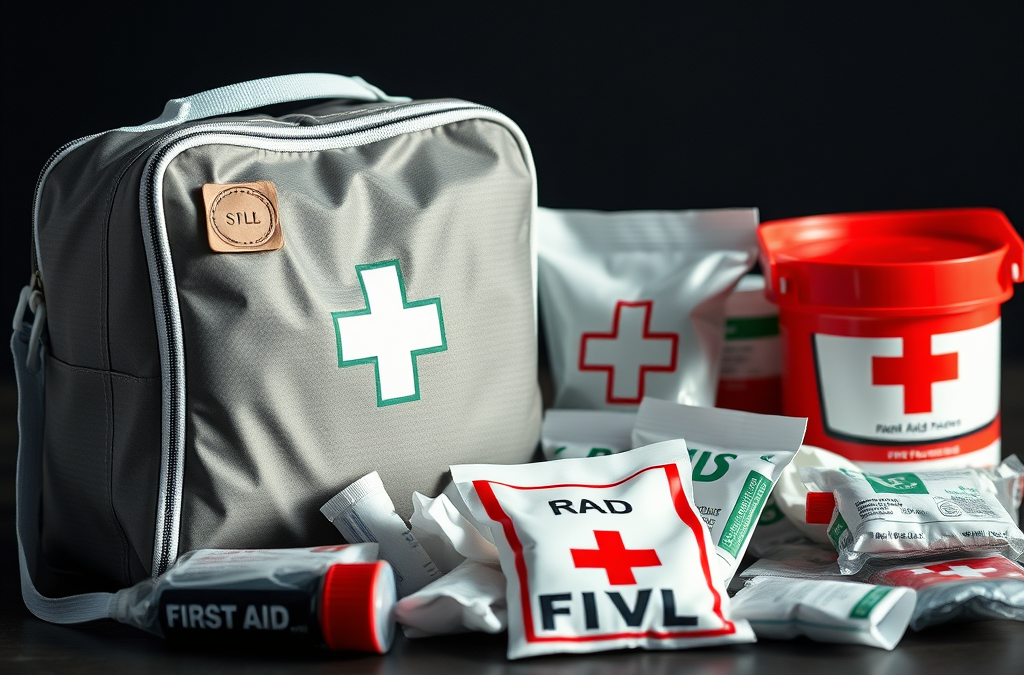
First aid supplies are critical for addressing injuries and medical emergencies promptly. Without adequate supplies, even minor injuries can escalate, leading to serious health risks. Effective first aid can stabilize a person’s condition before professional medical help arrives, which is particularly vital in remote areas or during natural disasters. Recognizing what supplies are necessary and ensuring they are readily available can significantly impact the outcome of an emergency situation.
For instance, a well-stocked first aid kit can include items like adhesive bandages, antiseptics, gauze, and splints. Each of these supplies serves a specific purpose, such as preventing infection or controlling bleeding. Understanding the function of each item not only prepares individuals to respond effectively but also highlights the risks associated with neglecting these supplies.
Common Mistakes in First Aid Kit Maintenance
Many individuals overlook the importance of regularly checking and replenishing first aid kits, leading to common mistakes that can severely undermine their effectiveness. One of the most frequent errors is failing to monitor expiration dates. Medications and sterile items can lose their efficacy over time, rendering them useless in an emergency. This oversight can lead to using expired antiseptics or medications that no longer provide the necessary treatment.
Another mistake is not tailoring first aid kits to specific needs. For example, families with young children should consider including pediatric supplies, while those with elderly members may need medications for chronic conditions. Additionally, individuals often underestimate the importance of training. Having a kit without knowledge of how to use its contents can lead to ineffective treatment or, worse, exacerbating the situation.
Consequences of Neglecting First Aid Supplies
The consequences of neglecting first aid supplies can be dire. An unprepared response to an injury can lead to complications such as infections, prolonged recovery times, and even permanent disabilities. For example, failing to clean a wound properly due to inadequate supplies can result in severe infections that require hospitalization.
Moreover, in emergency situations, every second counts. Delays caused by unstocked kits or unfamiliarity with supplies can mean the difference between life and death. In addition to physical health risks, neglecting first aid supplies can also lead to psychological stress, as individuals may feel helpless in emergencies, impacting their overall well-being.
Best Practices for Maintaining First Aid Kits
To mitigate the risks associated with neglecting first aid supplies, it is essential to establish best practices for maintaining first aid kits. Regularly inspecting kits for expired items and replenishing supplies is crucial. A good practice is to set a schedule for these checks, such as every six months or after significant events like vacations or natural disasters.
Additionally, educating all family members on the contents of the kit and how to use them can enhance preparedness. Consider conducting first aid training sessions to empower individuals with the knowledge to act confidently in emergencies. Lastly, customizing kits based on specific needs ensures that all necessary supplies are included, making the kit more effective in real-world situations.
Frequently Asked Questions
What should I include in a first aid kit?
A first aid kit should include adhesive bandages, antiseptics, gauze, scissors, tweezers, and any personal medications.
How often should I check my first aid kit?
It is advisable to check your first aid kit every six months to replace expired items and replenish supplies.
Why is training important for using first aid supplies?
Training ensures individuals know how to effectively use the supplies, which can significantly impact the outcome of an emergency.
Can I use expired first aid supplies?
Using expired first aid supplies is not recommended, as their effectiveness may be compromised, leading to inadequate treatment.
What are the risks of not having a first aid kit?
Not having a first aid kit can result in severe health risks, including untreated injuries, infections, and complications that could be prevented with timely treatment.
The CDC provides information on health and safety practices, including first aid recommendations
Conclusion
Maintaining an updated and well-stocked first aid kit is essential for effective emergency preparedness. Regular checks, proper training, and customization based on specific needs are vital steps to mitigate risks associated with neglecting first aid supplies. Ensuring that everyone knows how to use the supplies can enhance confidence and improve outcomes during emergencies. Prioritize your first aid kit today to safeguard health and well-being.