
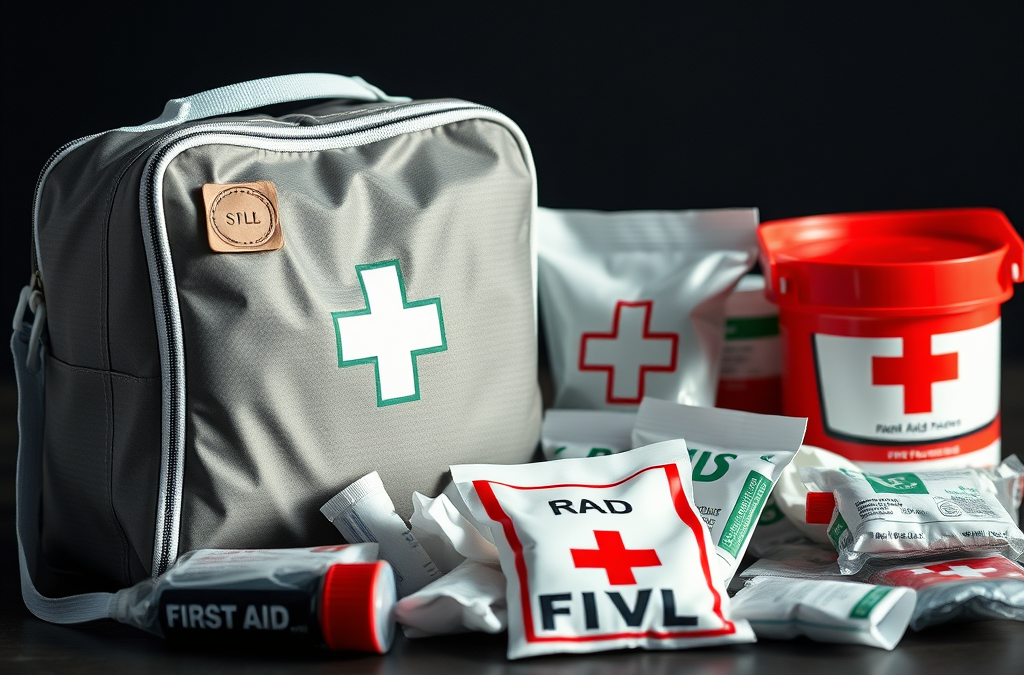
Neglecting first aid supplies in kits poses serious risks, such as inadequate care during emergencies and prolonged recovery times. Common oversights include not checking expiration dates, which can render medications and sterile items ineffective, and failing to customize kits for specific needs, like including pediatric supplies for families with children. Regularly inspecting and replenishing first aid kits is essential to ensure all items are functional and relevant. By prioritizing maintenance and understanding the critical role of each supply, individuals can significantly improve their preparedness for unexpected medical situations.
Understanding the Importance of First Aid Supplies
First aid supplies are critical for addressing injuries and medical emergencies promptly. Without adequate supplies, even minor injuries can escalate, leading to serious health risks. Effective first aid can stabilize a person’s condition before professional medical help arrives, which is particularly vital in remote areas or during natural disasters. Recognizing what supplies are necessary and ensuring they are readily available can significantly impact the outcome of an emergency situation.
For instance, a well-stocked first aid kit can include items like adhesive bandages, antiseptics, gauze, and splints. Each of these supplies serves a specific purpose, such as preventing infection or controlling bleeding. Understanding the function of each item not only prepares individuals to respond effectively but also highlights the risks associated with neglecting these supplies.
Common Mistakes in First Aid Kit Maintenance
Many individuals overlook the importance of regularly checking and replenishing first aid kits, leading to common mistakes that can severely undermine their effectiveness. One of the most frequent errors is failing to monitor expiration dates. Medications and sterile items can lose their efficacy over time, rendering them useless in an emergency. This oversight can lead to using expired antiseptics or medications that no longer provide the necessary treatment.
Another mistake is not tailoring first aid kits to specific needs. For example, families with young children should consider including pediatric supplies, while those with elderly members may need medications for chronic conditions. Additionally, individuals often underestimate the importance of training. Having a kit without knowledge of how to use its contents can lead to ineffective treatment or, worse, exacerbating the situation.

Consequences of Neglecting First Aid Supplies
The consequences of neglecting first aid supplies can be dire. An unprepared response to an injury can lead to complications such as infections, prolonged recovery times, and even permanent disabilities. For example, failing to clean a wound properly due to inadequate supplies can result in severe infections that require hospitalization.
Moreover, in emergency situations, every second counts. Delays caused by unstocked kits or unfamiliarity with supplies can mean the difference between life and death. In addition to physical health risks, neglecting first aid supplies can also lead to psychological stress, as individuals may feel helpless in emergencies, impacting their overall well-being.
Best Practices for Maintaining First Aid Kits
To mitigate the risks associated with neglecting first aid supplies, it is essential to establish best practices for maintaining first aid kits. Regularly inspecting kits for expired items and replenishing supplies is crucial. A good practice is to set a schedule for these checks, such as every six months or after significant events like vacations or natural disasters.
Additionally, educating all family members on the contents of the kit and how to use them can enhance preparedness. Consider conducting first aid training sessions to empower individuals with the knowledge to act confidently in emergencies. Lastly, customizing kits based on specific needs ensures that all necessary supplies are included, making the kit more effective in real-world situations.
Frequently Asked Questions
What should I include in a first aid kit?
A first aid kit should include adhesive bandages, antiseptics, gauze, scissors, tweezers, and any personal medications.
How often should I check my first aid kit?
It is advisable to check your first aid kit every six months to replace expired items and replenish supplies.
Why is training important for using first aid supplies?
Training ensures individuals know how to effectively use the supplies, which can significantly impact the outcome of an emergency.
Can I use expired first aid supplies?
Using expired first aid supplies is not recommended, as their effectiveness may be compromised, leading to inadequate treatment.
What are the risks of not having a first aid kit?
Not having a first aid kit can result in severe health risks, including untreated injuries, infections, and complications that could be prevented with timely treatment.
Further Reading
Authoritative Sources
- American Red Cross
redcross.orgThis resource offers comprehensive guidelines on first aid supplies and emergency preparedness
- Centers for Disease Control and Prevention (CDC)
cdc.govThe CDC provides information on health and safety practices, including first aid recommendations
Conclusion
Maintaining an updated and well-stocked first aid kit is essential for effective emergency preparedness. Regular checks, proper training, and customization based on specific needs are vital steps to mitigate risks associated with neglecting first aid supplies. Ensuring that everyone knows how to use the supplies can enhance confidence and improve outcomes during emergencies. Prioritize your first aid kit today to safeguard health and well-being.




