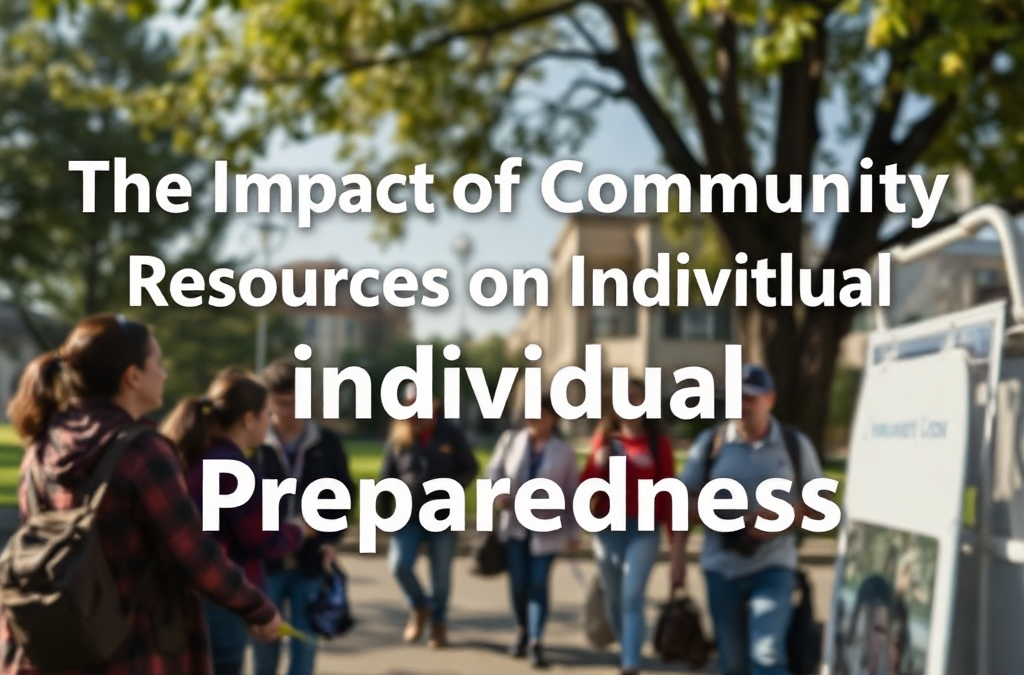
Community resources significantly enhance individual preparedness by providing essential training, support, and information during emergencies. Engaging with local organizations, such as fire departments and non-profits, equips individuals with vital skills like first aid and disaster response. These resources foster a collaborative environment where community members can share knowledge and resources, ultimately improving overall resilience. To maximize preparedness, individuals should actively participate in community drills and training sessions, ensuring they are not only self-reliant but also capable of contributing to collective safety during crises.
Understanding Community Resources
Community resources play a critical role in enhancing individual preparedness by providing tools, knowledge, and support systems necessary for effective emergency response. These resources encompass various organizations, programs, and services that aim to improve public safety and community resilience. Understanding how these resources function and their availability in your area is essential for maximizing their benefits during emergencies.
Many individuals overlook the importance of these resources, often relying solely on personal preparedness plans. However, community resources can fill gaps in knowledge and supplies, allowing individuals to be better prepared for disasters. Engaging with local organizations, attending training sessions, and participating in community drills can significantly improve personal readiness and response capabilities.
Types of Community Resources
There are several types of community resources that individuals can leverage to enhance their preparedness. These include local government agencies, non-profit organizations, volunteer groups, and educational institutions. Each type of resource offers unique contributions to community preparedness:
- Local Government Agencies: Entities such as fire departments and emergency management offices provide essential services, training, and information during emergencies.
- Non-Profit Organizations: Organizations like the Red Cross offer disaster response training, first aid courses, and resource distribution during crises.
- Volunteer Groups: Community-led initiatives often mobilize volunteers to support preparedness efforts, including organizing drills and educational workshops.
- Educational Institutions: Schools and universities frequently host training programs that equip individuals with vital skills for emergency situations.
By understanding the various types of community resources available, individuals can identify which organizations to engage with based on their specific needs and interests.

Benefits of Community Engagement
Engaging with community resources offers numerous benefits that enhance individual preparedness. Firstly, participation in community programs fosters a sense of belonging and shared responsibility, motivating individuals to take preparedness seriously. Additionally, community engagement provides access to valuable training and resources that might otherwise be unavailable.
For example, individuals who participate in local first aid courses not only gain critical life-saving skills but also build relationships with fellow community members. This network can be invaluable during a crisis, as individuals can rely on each other for support and assistance. Furthermore, communities that prioritize preparedness often have better access to information and resources during emergencies, leading to more effective responses.
Common Misconceptions about Community Preparedness
Despite the benefits of community resources, several misconceptions can hinder effective engagement. One common belief is that personal preparedness is sufficient without community support. While individual planning is vital, it is often inadequate without the backing of community resources. Relying solely on personal supplies may leave individuals unprepared for larger-scale emergencies that require collective action.
Another misconception is that community resources are only for those in immediate danger. In reality, these resources are designed to support the entire community, ensuring that everyone has access to the tools and knowledge needed for effective preparedness. Engaging with community resources is a proactive step that benefits not only the individual but also the broader community.
Frequently Asked Questions
Why is community engagement important for preparedness?
Community engagement fosters relationships, provides valuable training, and enhances collective readiness during emergencies, resulting in better outcomes for all.
What common mistakes do people make regarding preparedness?
People often underestimate the importance of community support, relying solely on individual preparedness plans, which can be inadequate during large-scale emergencies.
How can I get involved in local preparedness efforts?
You can get involved by volunteering with local organizations, attending training sessions, and participating in community drills or preparedness events.
Further Reading
Authoritative Sources
Authoritative Sources
- Ready.gov
ready.govThis official website provides comprehensive resources for individual and community preparedness planning
- American Red Cross
redcross.orgThe Red Cross offers training programs and resources for disaster preparedness and response
- FEMA
fema.govFEMA provides guidelines and resources for community resilience and emergency management
Conclusion
Community resources significantly enhance individual preparedness by providing essential training, support networks, and collective resilience during emergencies. Engaging with local organizations not only equips individuals with vital skills but also fosters a stronger sense of community. To maximize your preparedness, actively seek out and participate in community programs, collaborate with neighbors, and contribute to a culture of readiness. Taking these steps will ensure that you and your community are better equipped to handle any crisis that may arise.
Related Content
- When should I evaluate my disaster preparedness strategy?
- How to create a bug-out bag for my car – Your Ultimate Guide
- Disaster Response Tips: Essential Steps for Effective Recovery and Safety
- Tips for Effective Heat Management in Survival Situations
- From Natural Disasters to Power Outages: Your Complete Emergency Kit Checklist