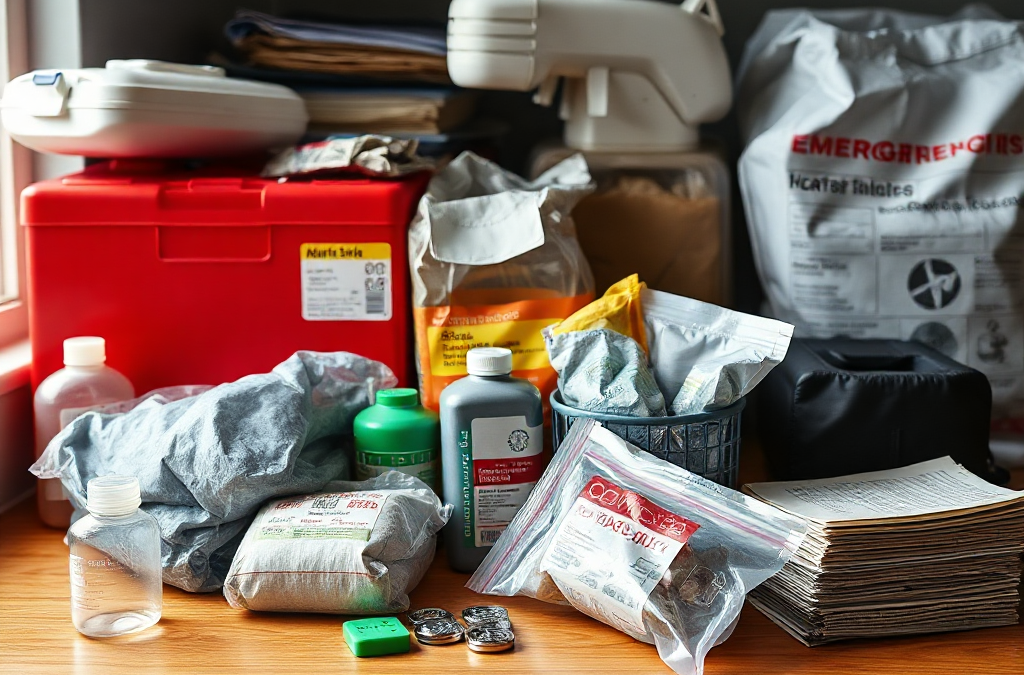
Expiration dates on emergency supplies are critical indicators of safety and efficacy. These dates are set based on extensive testing and regulatory guidelines, ensuring that products maintain their intended potency and safety until that point. Once expired, food items, medications, and other supplies may not only lose effectiveness but can also pose significant health risks. Misunderstanding these dates can lead to a false sense of security, which is particularly dangerous in emergency situations.
For example, canned goods often have a shelf life of several years, but their quality can deteriorate over time. Similarly, medications may not be harmful immediately after their expiration but can become less effective or even dangerous if consumed after a certain period. Recognizing the importance of these dates is essential for maintaining a reliable stock of emergency supplies.
Health Risks Associated with Expired Supplies
Using expired emergency supplies can lead to serious health implications. Expired food items can harbor bacteria such as Salmonella or E. coli, which can cause food poisoning. Symptoms may range from mild gastrointestinal distress to severe illness requiring medical attention. Furthermore, expired medications may not only fail to treat conditions but can also lead to adverse reactions if they degrade into harmful substances over time.
For example, a person relying on expired antibiotics may find themselves at risk of untreated infections, which could escalate into serious health emergencies. Additionally, expired first-aid supplies, such as antiseptics and bandages, may not function as intended, increasing the risk of infection in wounds. Therefore, regular checks and timely replacements of emergency supplies are crucial to ensure safety.
Impact on Emergency Preparedness
The effectiveness of emergency preparedness heavily relies on the condition of supplies. Expired items can compromise the entire preparedness plan, leading to failures at critical moments. For instance, if a natural disaster strikes, relying on outdated supplies can lead to inadequate responses, putting individuals and families at greater risk.
Moreover, the psychological impact of using expired supplies cannot be overlooked. Knowing that one’s emergency kit is outdated can cause anxiety and a lack of confidence in one’s preparedness. It is vital to regularly review and update emergency kits to ensure that all items are within their shelf life. This practice not only enhances safety but also fosters a sense of readiness and control in dire situations.
Best Practices for Managing Supplies
To mitigate the dangers of using expired emergency supplies, adopting best practices for managing these items is essential. Start by conducting regular inventory checks, ideally every six months, to assess the condition and expiration dates of all supplies. Create a clear labeling system that indicates when items were purchased and their expiration dates, making it easier to track their status.
Additionally, consider a first-in, first-out (FIFO) approach, where older supplies are used before newer ones. This method ensures that items are consumed or replaced before they expire. Furthermore, maintaining a well-organized storage space for emergency supplies can help prevent overlooked items that may expire unnoticed. By implementing these practices, individuals can enhance their preparedness and reduce the risks associated with expired supplies.
For more information on emergency preparedness and managing supplies, consider checking out resources from recognized organizations such as the Ready.gov which offers comprehensive guidelines on maintaining emergency kits and supplies.
Frequently Asked Questions
What should I do with expired emergency supplies?
Expired emergency supplies should be disposed of safely and replaced with fresh items to ensure preparedness and safety.
How can I tell if food is safe to consume after the expiration date?
Check for signs of spoilage such as off-odors, unusual textures, or visible mold before consuming any food past its expiration date.
Are all expired medications dangerous?
Not all expired medications are immediately dangerous, but they may lose potency over time, making them ineffective for treatment.
How often should I check my emergency supplies?
It is recommended to check emergency supplies every six months to ensure everything is up-to-date and in good condition.
What are the risks of using expired first-aid supplies?
Expired first-aid supplies may not work effectively, increasing the risk of infection or complications in injuries.
Understanding your household’s needs is the first step in determining the right amount of food storage. Start by evaluating the number of people in your household and their specific dietary requirements. For instance, families with children or individuals with dietary restrictions may need to store different types of food compared to an adult-only household. This assessment helps to create a tailored food storage plan that meets everyone’s needs.
Additionally, consider your lifestyle and eating habits. If your household frequently eats out or has irregular meal patterns, you might need less stored food compared to a household that primarily cooks at home. Regularly tracking your food usage can provide valuable insights into how much food you should store.
Calculating Food Quantities
Calculating food quantities involves understanding how much food you need per person, per day, and for the duration you want to be prepared. A common guideline suggests storing at least a two-week supply of food for emergencies, but many experts recommend aiming for a three-month supply for greater security.
A practical method to calculate this is to use a meal planning approach. Determine the number of meals you typically consume each week, multiply that by the number of weeks you want to prepare for, and then factor in snacks and beverages. For example, if a household of four consumes three meals a day, that translates to 84 meals per week. Multiply that by the number of weeks you wish to prepare for, and you can estimate the total food quantity needed.
Understanding Nutritional Requirements
Nutritional balance is crucial when determining the right amount of food storage. It’s essential to include a variety of food types to meet the dietary needs of all household members. Aim for a mix of proteins, carbohydrates, fats, vitamins, and minerals.
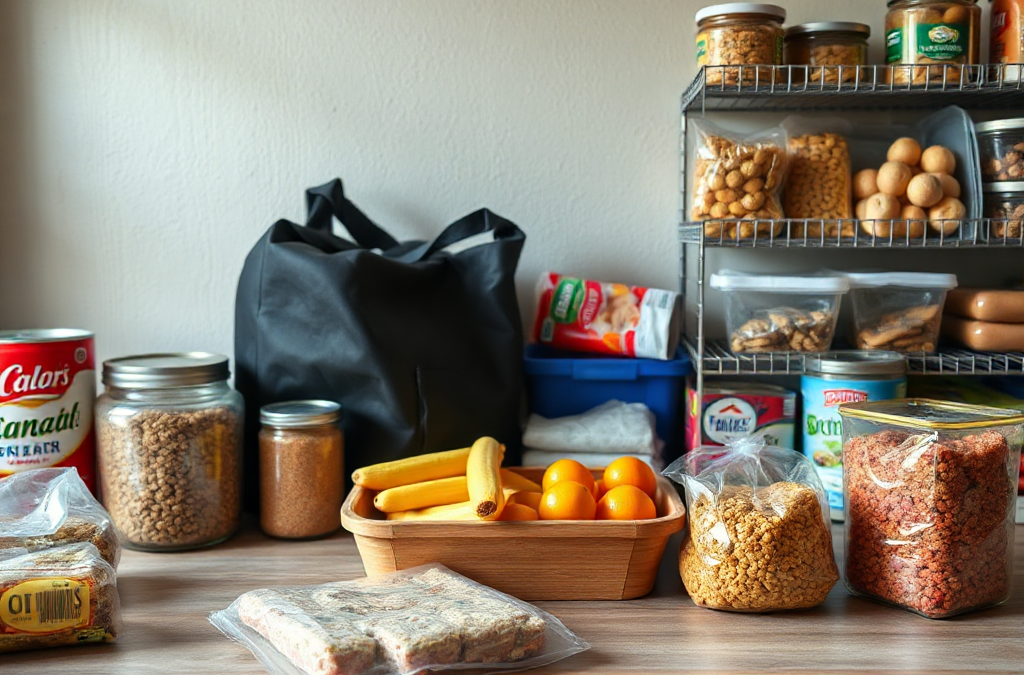
For example, consider incorporating canned vegetables, grains like rice or pasta, and protein sources such as beans or canned meat. Each category provides essential nutrients, and diversifying your food storage can help prevent deficiencies during prolonged storage periods. It’s also vital to rotate your food stock regularly to ensure freshness and avoid waste.
Storage Conditions and Their Impact
Storage conditions significantly impact the longevity and quality of your food supply. Proper storage is essential to prevent spoilage and ensure that your food remains safe to eat. Factors such as temperature, humidity, and light can all affect food preservation.
For optimal food storage, keep items in a cool, dry place, and use airtight containers to protect against moisture and pests. Regularly inspect your stored food for signs of spoilage or damage, and implement a first-in, first-out system to manage inventory effectively. Understanding these conditions can help you maximize the shelf life of your food supplies.
Frequently Asked Questions
How much food should I store for emergencies?
It's recommended to store at least a two-week supply of food, but many experts suggest aiming for a three-month supply to ensure adequate resources.
What types of food are best for long-term storage?
Foods such as canned goods, dried grains, legumes, and freeze-dried products are excellent choices for long-term storage due to their shelf stability.
How can I ensure my stored food remains fresh?
Store food in a cool, dry place, use airtight containers, and regularly check for spoilage to maintain freshness.
What are the common mistakes in food storage?
Common mistakes include overestimating shelf life, neglecting regular inventory checks, and failing to store a balanced variety of food types.
How do I calculate food needs for my family?
Calculate food needs by assessing the number of meals consumed per week, then multiply that by the number of weeks you want to prepare for.
Public health nutrition guidance and educational resources
Conclusion
Determining the right amount of food storage is essential for preparedness and peace of mind. By assessing your household needs, calculating food quantities, understanding nutritional requirements, and managing storage conditions, you can create a solid food storage plan. Regularly review and adjust your supplies to ensure they meet your family’s evolving needs and preferences.
Understanding the Importance of Mental Health in Prepping
Mental health is a critical component of effective prepping, yet it is frequently overlooked in favor of physical supplies and logistics. The emotional and psychological aspects of preparedness can significantly impact decision-making and overall resilience during emergencies. Ignoring mental health can lead to heightened stress levels, hindered problem-solving abilities, and a reduced capacity to cope with crises. Recognizing the importance of mental well-being is essential for preppers to ensure they are fully equipped to handle unexpected situations.
Prepping often involves planning for worst-case scenarios, which can naturally induce anxiety and stress. By prioritizing mental health, preppers can develop strategies to manage these feelings, ensuring they remain calm and focused during emergencies. This proactive approach not only enhances individual preparedness but also fosters a more resilient mindset, enabling preppers to face challenges with confidence.
Common Mental Health Challenges for Preppers
Preppers may encounter various mental health challenges, including anxiety, depression, and feelings of isolation. The fear of potential disasters can create a persistent state of worry, leading to anxiety disorders if left unaddressed. Additionally, the solitary nature of prepping can foster feelings of loneliness, particularly if individuals do not have a supportive network to share their concerns and experiences.
Another challenge is the pressure to be constantly prepared, which can lead to burnout. The relentless pursuit of gathering supplies and knowledge may result in physical and emotional exhaustion, making it difficult to maintain motivation and focus. Recognizing these challenges is the first step toward effective management, allowing preppers to implement strategies that support their mental health.
Strategies for Maintaining Mental Health
To mitigate the risks associated with poor mental health, preppers should adopt strategies that promote emotional well-being. One effective approach is mindfulness and stress-reduction techniques, such as meditation and deep-breathing exercises. These practices can help preppers manage anxiety and cultivate a sense of calm, making it easier to think clearly during emergencies.
Another important strategy is establishing a routine that incorporates self-care activities. This can include regular physical exercise, adequate sleep, and a balanced diet, all of which contribute to improved mental health. Additionally, engaging in hobbies or activities that bring joy can provide a necessary break from the stresses of prepping and foster a positive mindset.
Building a Supportive Community
Creating and maintaining a supportive community is vital for preppers to address mental health concerns. Connecting with like-minded individuals can reduce feelings of isolation and provide a sense of belonging. Online forums, local meetups, and social media groups can serve as platforms for sharing experiences, advice, and emotional support.
Furthermore, participating in group activities, such as training sessions or workshops, can enhance social connections while also building practical skills. These interactions not only foster camaraderie but also create opportunities for collaborative problem-solving, which can alleviate stress associated with individual preparedness efforts.
Frequently Asked Questions
Why is mental health important in prepping?
Mental health is crucial in prepping as it affects decision-making, stress management, and overall resilience during crises.
What are common mental health challenges faced by preppers?
Common challenges include anxiety, depression, and feelings of isolation, often stemming from the stress of preparing for potential disasters.
How can preppers maintain their mental health?
Preppers can maintain mental health by practicing mindfulness, establishing routines, engaging in self-care, and participating in enjoyable activities.
What role does community play in prepping?
A supportive community helps reduce isolation, provides emotional support, and fosters collaboration among preppers, enhancing overall preparedness.
How can mindfulness help preppers?
Mindfulness techniques can help preppers manage anxiety, improve focus, and cultivate a sense of calm, making it easier to handle stressful situations.