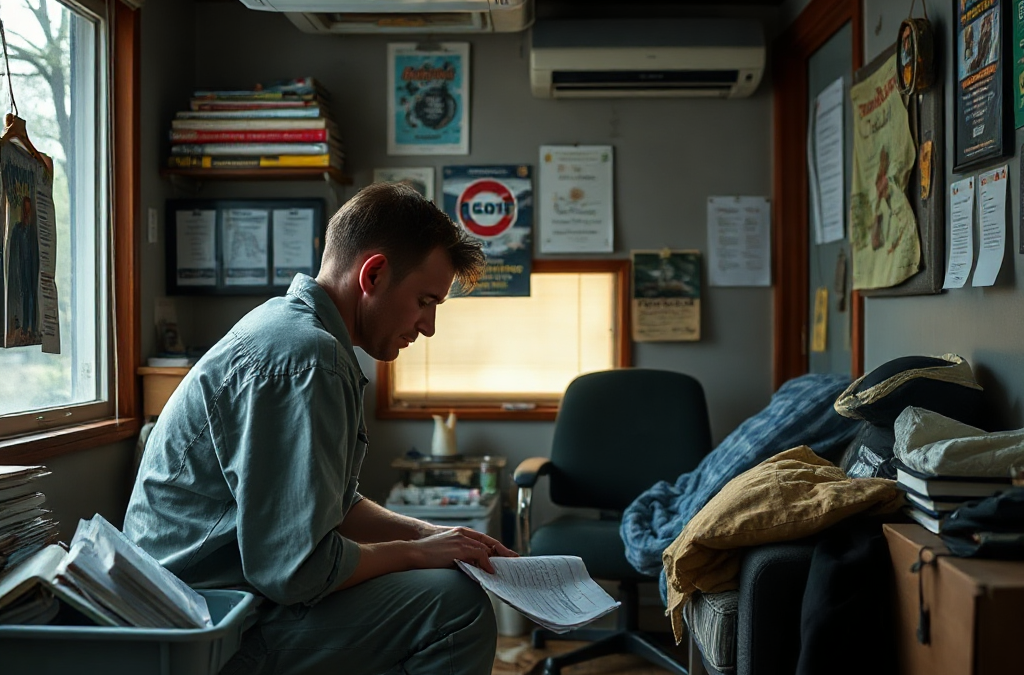
Neglecting mental health in prepping can severely undermine overall readiness and resilience. Preppers who focus solely on physical supplies may find themselves unprepared for the emotional challenges that arise during crises, such as heightened anxiety and decision-making difficulties. To combat these issues, it's essential to cultivate emotional resilience through community support and effective coping strategies. Engaging with others who share similar concerns can alleviate feelings of isolation and foster a sense of belonging.
Understanding the Importance of Mental Health in Prepping
Mental health is a critical component of effective prepping, yet it is frequently overlooked in favor of physical supplies and logistics. The emotional and psychological aspects of preparedness can significantly impact decision-making and overall resilience during emergencies. Ignoring mental health can lead to heightened stress levels, hindered problem-solving abilities, and a reduced capacity to cope with crises. Recognizing the importance of mental well-being is essential for preppers to ensure they are fully equipped to handle unexpected situations.
Prepping often involves planning for worst-case scenarios, which can naturally induce anxiety and stress. By prioritizing mental health, preppers can develop strategies to manage these feelings, ensuring they remain calm and focused during emergencies. This proactive approach not only enhances individual preparedness but also fosters a more resilient mindset, enabling preppers to face challenges with confidence.
Common Mental Health Challenges for Preppers
Preppers may encounter various mental health challenges, including anxiety, depression, and feelings of isolation. The fear of potential disasters can create a persistent state of worry, leading to anxiety disorders if left unaddressed. Additionally, the solitary nature of prepping can foster feelings of loneliness, particularly if individuals do not have a supportive network to share their concerns and experiences.
Another challenge is the pressure to be constantly prepared, which can lead to burnout. The relentless pursuit of gathering supplies and knowledge may result in physical and emotional exhaustion, making it difficult to maintain motivation and focus. Recognizing these challenges is the first step toward effective management, allowing preppers to implement strategies that support their mental health.

Strategies for Maintaining Mental Health
To mitigate the risks associated with poor mental health, preppers should adopt strategies that promote emotional well-being. One effective approach is mindfulness and stress-reduction techniques, such as meditation and deep-breathing exercises. These practices can help preppers manage anxiety and cultivate a sense of calm, making it easier to think clearly during emergencies.
Another important strategy is establishing a routine that incorporates self-care activities. This can include regular physical exercise, adequate sleep, and a balanced diet, all of which contribute to improved mental health. Additionally, engaging in hobbies or activities that bring joy can provide a necessary break from the stresses of prepping and foster a positive mindset.
Building a Supportive Community
Creating and maintaining a supportive community is vital for preppers to address mental health concerns. Connecting with like-minded individuals can reduce feelings of isolation and provide a sense of belonging. Online forums, local meetups, and social media groups can serve as platforms for sharing experiences, advice, and emotional support.
Furthermore, participating in group activities, such as training sessions or workshops, can enhance social connections while also building practical skills. These interactions not only foster camaraderie but also create opportunities for collaborative problem-solving, which can alleviate stress associated with individual preparedness efforts.
Frequently Asked Questions
Why is mental health important in prepping?
Mental health is crucial in prepping as it affects decision-making, stress management, and overall resilience during crises.
What are common mental health challenges faced by preppers?
Common challenges include anxiety, depression, and feelings of isolation, often stemming from the stress of preparing for potential disasters.
How can preppers maintain their mental health?
Preppers can maintain mental health by practicing mindfulness, establishing routines, engaging in self-care, and participating in enjoyable activities.
What role does community play in prepping?
A supportive community helps reduce isolation, provides emotional support, and fosters collaboration among preppers, enhancing overall preparedness.
How can mindfulness help preppers?
Mindfulness techniques can help preppers manage anxiety, improve focus, and cultivate a sense of calm, making it easier to handle stressful situations.
Further Reading
Authoritative Sources
- NIH Office of Dietary Supplements
ods.od.nih.govEvidence-based information on vitamins, minerals, supplements, and nutrition-related questions
- USDA FoodData Central
fdc.nal.usda.govUSDA nutrient data for foods and ingredients used in nutrition decisions
- Harvard T.H. Chan School of Public Health Nutrition Source
hsph.harvard.eduPublic health nutrition guidance and educational resources
Related Content
- Preparation Before Disaster Hits: Essential Steps for Creating a Robust Emergency Plan
- Sustainable Practices for Long-Term Food Storage
- Emergency Communication Plan 2025: 7 Essential Tips for Crisis Readiness
- Master Your Future: The Vital Role of Disaster Recovery Planning in Business Continuity
- Are You Ready? How to Build a Disaster Preparedness Plan for Your Family