
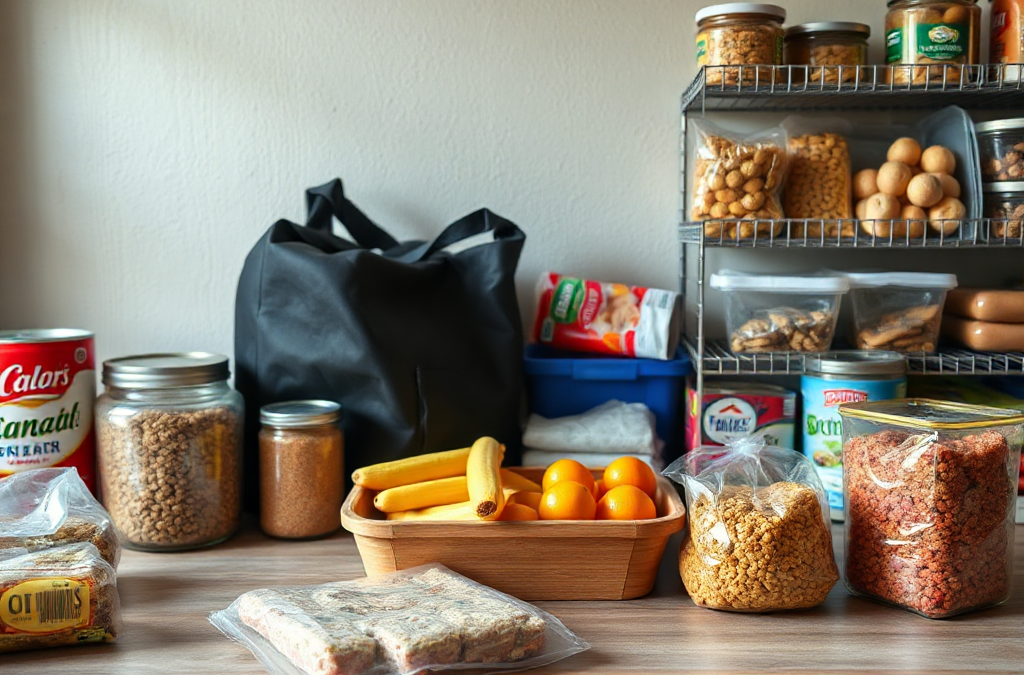
To determine the right amount of food storage, start by evaluating your household size, dietary preferences, and how long you want to be self-sufficient. A practical approach is to calculate the number of meals consumed weekly and multiply that by the number of weeks you aim to prepare for, ensuring you include snacks and beverages. For most households, aiming for at least a three-month supply can provide a buffer during emergencies. Additionally, consider the variety of food types to meet nutritional needs and the conditions under which you will store the food to prevent spoilage. Regularly reassessing your food usage can help refine your storage plan over time.
Assessing Household Needs
Understanding your household’s needs is the first step in determining the right amount of food storage. Start by evaluating the number of people in your household and their specific dietary requirements. For instance, families with children or individuals with dietary restrictions may need to store different types of food compared to an adult-only household. This assessment helps to create a tailored food storage plan that meets everyone’s needs.
Additionally, consider your lifestyle and eating habits. If your household frequently eats out or has irregular meal patterns, you might need less stored food compared to a household that primarily cooks at home. Regularly tracking your food usage can provide valuable insights into how much food you should store.
Calculating Food Quantities
Calculating food quantities involves understanding how much food you need per person, per day, and for the duration you want to be prepared. A common guideline suggests storing at least a two-week supply of food for emergencies, but many experts recommend aiming for a three-month supply for greater security.
A practical method to calculate this is to use a meal planning approach. Determine the number of meals you typically consume each week, multiply that by the number of weeks you want to prepare for, and then factor in snacks and beverages. For example, if a household of four consumes three meals a day, that translates to 84 meals per week. Multiply that by the number of weeks you wish to prepare for, and you can estimate the total food quantity needed.

Understanding Nutritional Requirements
Nutritional balance is crucial when determining the right amount of food storage. It’s essential to include a variety of food types to meet the dietary needs of all household members. Aim for a mix of proteins, carbohydrates, fats, vitamins, and minerals.
For example, consider incorporating canned vegetables, grains like rice or pasta, and protein sources such as beans or canned meat. Each category provides essential nutrients, and diversifying your food storage can help prevent deficiencies during prolonged storage periods. It’s also vital to rotate your food stock regularly to ensure freshness and avoid waste.
Storage Conditions and Their Impact
Storage conditions significantly impact the longevity and quality of your food supply. Proper storage is essential to prevent spoilage and ensure that your food remains safe to eat. Factors such as temperature, humidity, and light can all affect food preservation.
For optimal food storage, keep items in a cool, dry place, and use airtight containers to protect against moisture and pests. Regularly inspect your stored food for signs of spoilage or damage, and implement a first-in, first-out system to manage inventory effectively. Understanding these conditions can help you maximize the shelf life of your food supplies.
Frequently Asked Questions
How much food should I store for emergencies?
It's recommended to store at least a two-week supply of food, but many experts suggest aiming for a three-month supply to ensure adequate resources.
What types of food are best for long-term storage?
Foods such as canned goods, dried grains, legumes, and freeze-dried products are excellent choices for long-term storage due to their shelf stability.
How can I ensure my stored food remains fresh?
Store food in a cool, dry place, use airtight containers, and regularly check for spoilage to maintain freshness.
What are the common mistakes in food storage?
Common mistakes include overestimating shelf life, neglecting regular inventory checks, and failing to store a balanced variety of food types.
How do I calculate food needs for my family?
Calculate food needs by assessing the number of meals consumed per week, then multiply that by the number of weeks you want to prepare for.
Further Reading
Authoritative Sources
- NIH Office of Dietary Supplements
ods.od.nih.govEvidence-based information on vitamins, minerals, supplements, and nutrition-related questions
- USDA FoodData Central
fdc.nal.usda.govUSDA nutrient data for foods and ingredients used in nutrition decisions
- Harvard T.H. Chan School of Public Health Nutrition Source
hsph.harvard.eduPublic health nutrition guidance and educational resources
Conclusion
Determining the right amount of food storage is essential for preparedness and peace of mind. By assessing your household needs, calculating food quantities, understanding nutritional requirements, and managing storage conditions, you can create a solid food storage plan. Regularly review and adjust your supplies to ensure they meet your family’s evolving needs and preferences.
Related Content
- Why Emergency Drills Could Save Your Life
- Planning for the Unexpected: Pets and Disaster Preparedness
- Plan, Prepare, Protect: Your Roadmap to Emergency Readiness
- The Ultimate Guide to Preparation for Power Outages in 2025: 10 Effective Strategies
- The Ultimate Guide to the Emergency Essentials Checklist for 2025: 10 Effective Tips




